
DbcultAccessing Vault...
Director's Spotlight
Senior Film Conservator
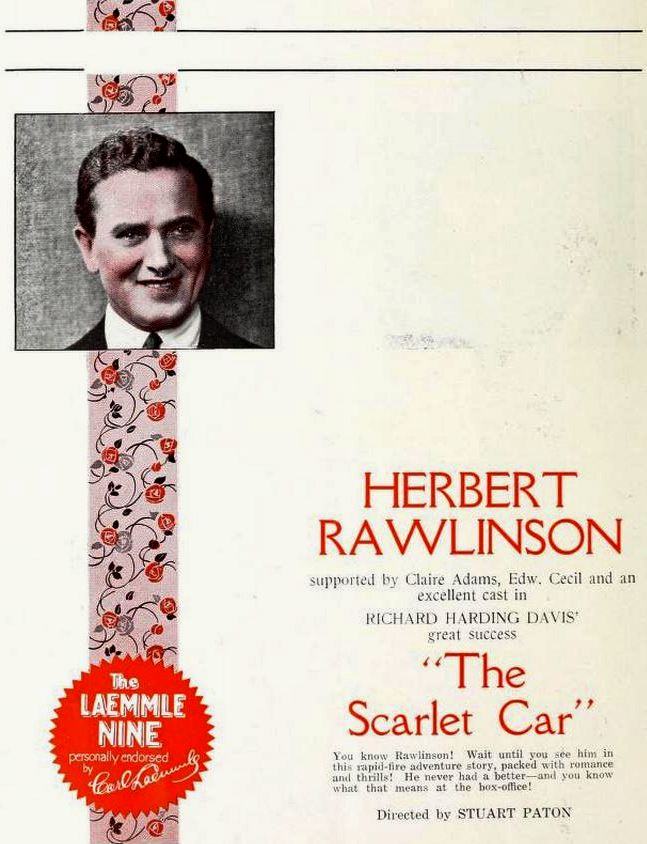
Director's Spotlight: United States
A Deep Dive into the 1923 Vision of Stuart Paton
Witnessing the stylistic transformation of Drama through The Scarlet Car reveals the global recognition that Stuart Paton garnered after the release of The Scarlet Car. Serving as a mirror to the anxieties of a changing world, offering layers of thematic complexity that demand repeated viewing.
In The Scarlet Car, Stuart Paton pushes the boundaries of conventional narrative. The film's unique approach to its subject matter has sparked endless debates and interpretations among cinephiles and critics alike.
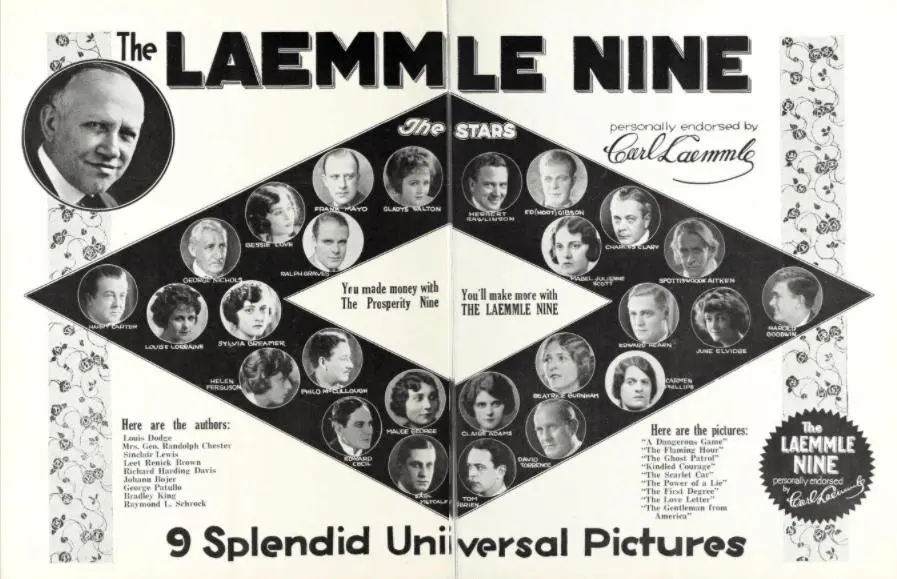
The visual language of The Scarlet Car is defined by its use of shadows and framing, a hallmark of Stuart Paton's style. By utilizing a 1923-era palette, the film creates an immersive experience that perfectly complements its Drama themes.
| Cinematography | High-Contrast |
| Soundtrack | Synth-Heavy |
| Editing | Rhythmic |
| Art Direction | Naturalist |
Visualizing the convergence of Stuart Paton's style and the core Drama narrative.
Billy Winthrop is in love with Beatrice Forbes, who is engaged to Ernest Peabody, a reform candidate for mayor backed by Billy's father. When Billy learns that Peabody has betrayed Violet Gaynor and plans to double-cross Mr. Winthrop, he exposes the candidate with the help of Mitt Deagon and wins Beatrice.
Decades after its release, The Scarlet Car remains a vital piece of the cinematic puzzle. Its influence can be seen in countless modern works, solidifying Stuart Paton's status as a master of the craft in United States and beyond.