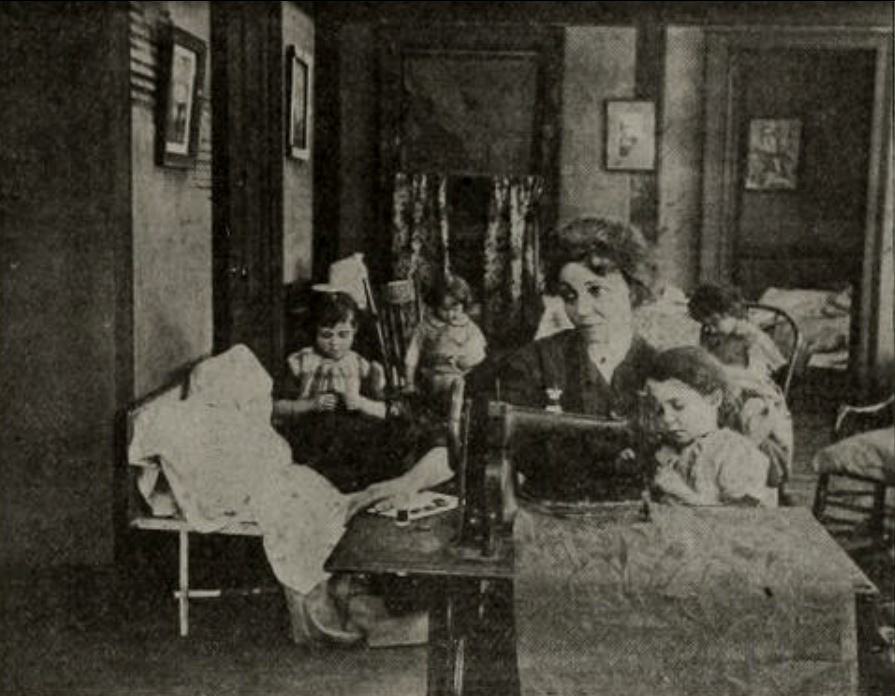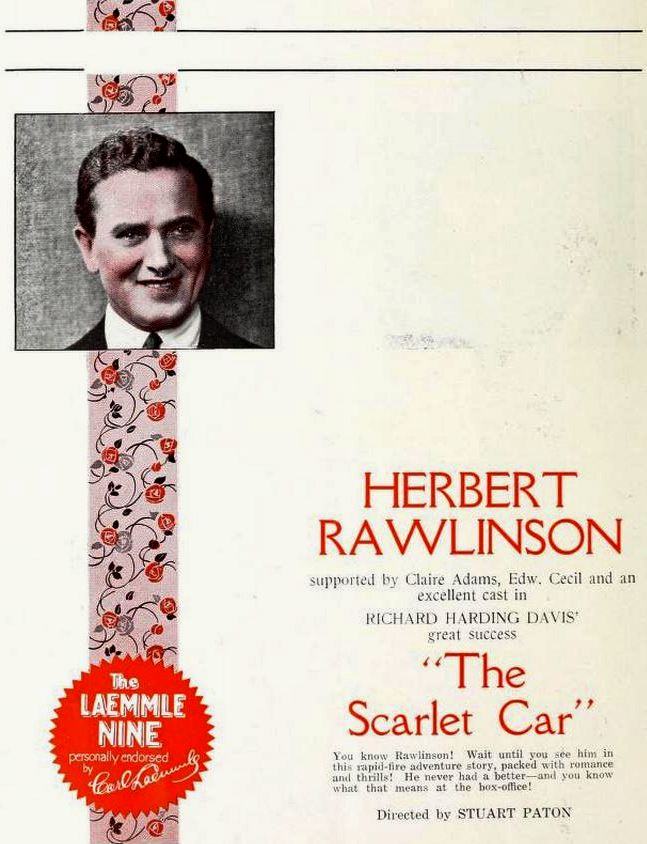
Billy Winthrop is in love with Beatrice Forbes, who is engaged to Ernest Peabody, a reform candidate for mayor backed by Billy's father. When Billy learns that Peabody has betrayed Violet Gaynor and plans to double-cross Mr.
body {background-color:#000;color:#fff;font-family:Georgia,serif} h2 {color:#C2410C} p {color:#fff;line-height:1.6} a {color:#EAB308;text-decoration:none} blockquote {color:#0E7490;border-left:4px solid #0E7490;padding-left:15px;margin:20px 0} 1923’s The Scarlet Car is a relic of silent cinema’s golden age that hums w...
publicity
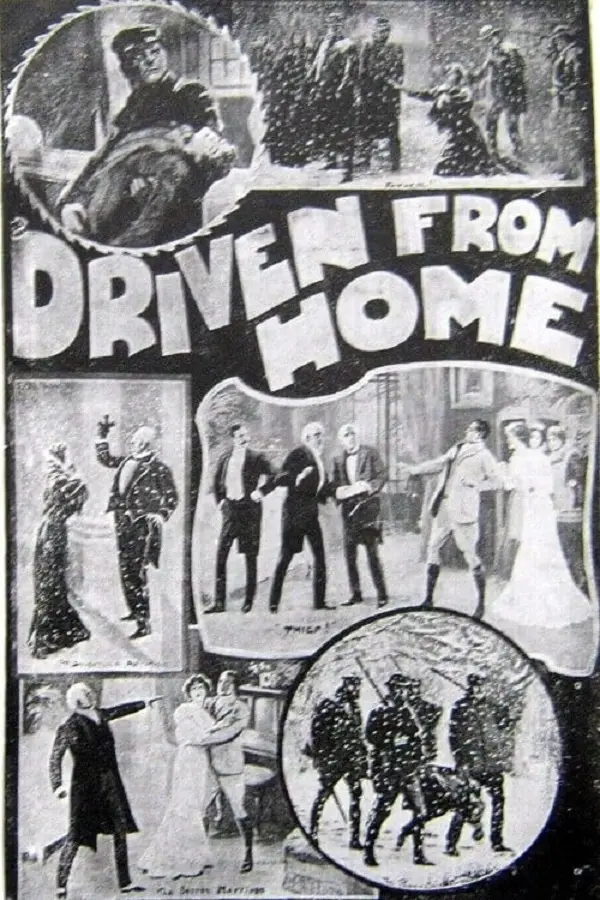
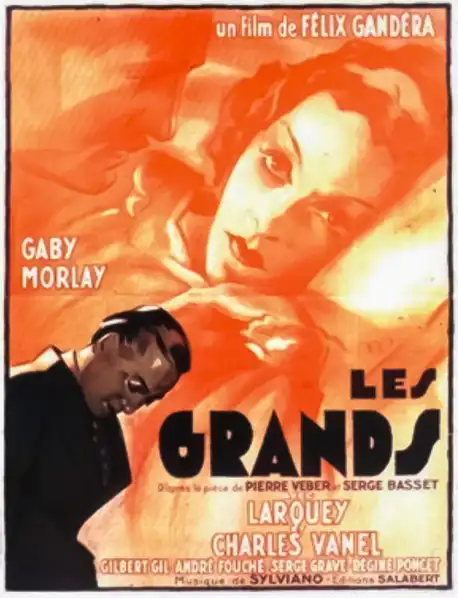
Comparing the cinematic DNA and archive impact of two defining moments in cult history.
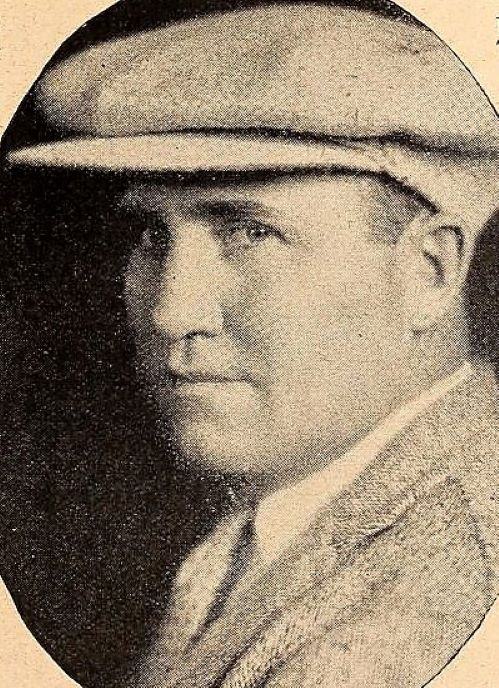
Stuart Paton
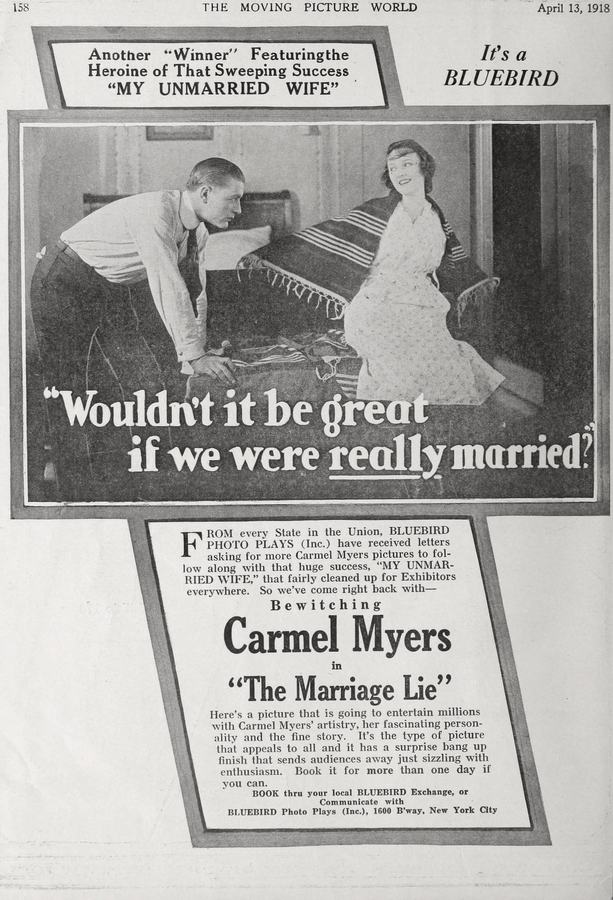
Stuart Paton
Community
Log in to comment.
"body {background-color:#000;color:#fff;font-family:Georgia,serif} h2 {color:#C2410C} p {color:#fff;line-height:1.6} a {color:#EAB308;text-decoration:none} blockquote {color:#0E7490;border-left:4px solid #0E7490;padding-left:15px;margin:20px 0} 1923’s The Scarlet Car is a relic of silent cinema’s golden age that hums with the tension of a noose tightening. Directed with a sharp eye for moral ambiguity, this tale of love and political machinations unfolds like a vintage clockwork mechanism: every..."
Richard Harding Davis, George Randolph Chester
United States
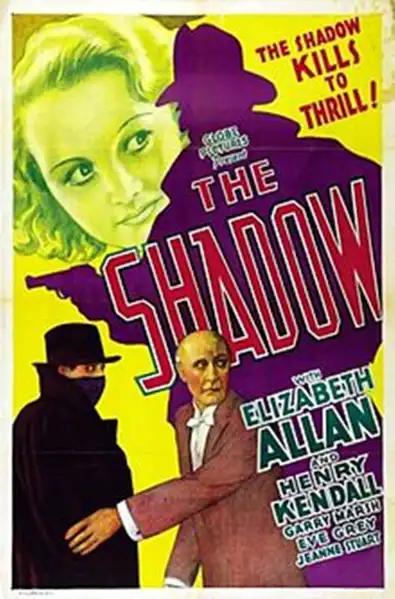
Deep dive into the cult classic
Discover similar cinematic experiences
A Directorial Spotlight on Stuart Paton