
DbcultAccessing Vault...
Director's Spotlight
Senior Film Conservator
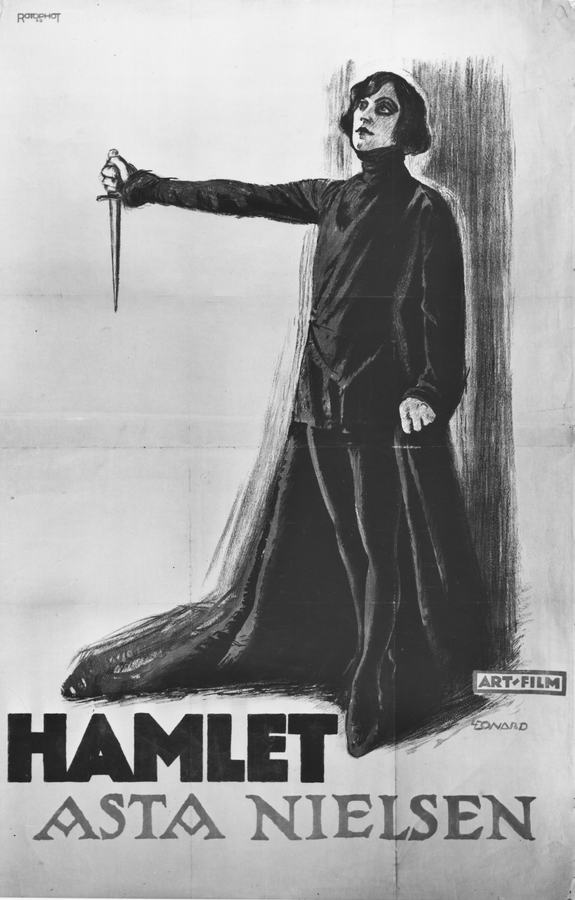
Director's Spotlight: Germany
A Deep Dive into the 1921 Vision of Svend Gade
As we revisit the 1921 masterpiece Hamlet, we are struck by the atmospheric immersion that Svend Gade achieves throughout Hamlet. Exploring the nuances of the human condition with Drama flair, it solidifies Svend Gade's reputation as a master of the craft.
In Hamlet, Svend Gade pushes the boundaries of conventional narrative. The film's unique approach to its subject matter has sparked endless debates and interpretations among cinephiles and critics alike.
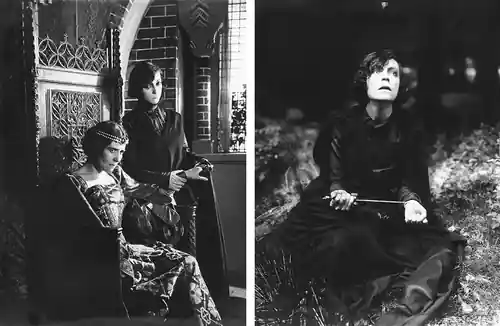
In this work, Svend Gade explores the intersection of Drama and Germany cultural identity. The meticulous attention to detail suggests a deep-seated commitment to pushing the boundaries of the medium, ensuring that Hamlet remains a relevant topic of study for Drama enthusiasts.
| Cinematography | Handheld |
| Soundtrack | Experimental |
| Editing | Invisible |
| Art Direction | Kitsch |
Visualizing the convergence of Svend Gade's style and the core Drama narrative.
Danish silent movie-star Asta Nielsen formed her own production company to make this film, in which new elements are combined with features (and a few lines) familiar from Shakespeare's version of the legend. The most important of these changes sees Hamlet made into a female character - a princess forced to masquerade as a man by her scheming mother; from this follows Hamlet's secret passion for Horatio and rivalry with Ophelia for his love. Queen Gertrude is here presented as conspiring in her first husband's murder, and the old king's ghost does not appear - young Hamlet merely hears a voice from the tomb and (apparently) dreams of him. In addition, Hamlet now kills Claudius (in a fire) immediately upon returning from Norway with an army led by old school- friend Fortinbras, and it falls to Gertrude to engineer Hamlet's death in the fencing match as well as kill herself by accidentally drinking the poisoned wine.
Decades after its release, Hamlet remains a vital piece of the cinematic puzzle. Its influence can be seen in countless modern works, solidifying Svend Gade's status as a master of the craft in Germany and beyond.