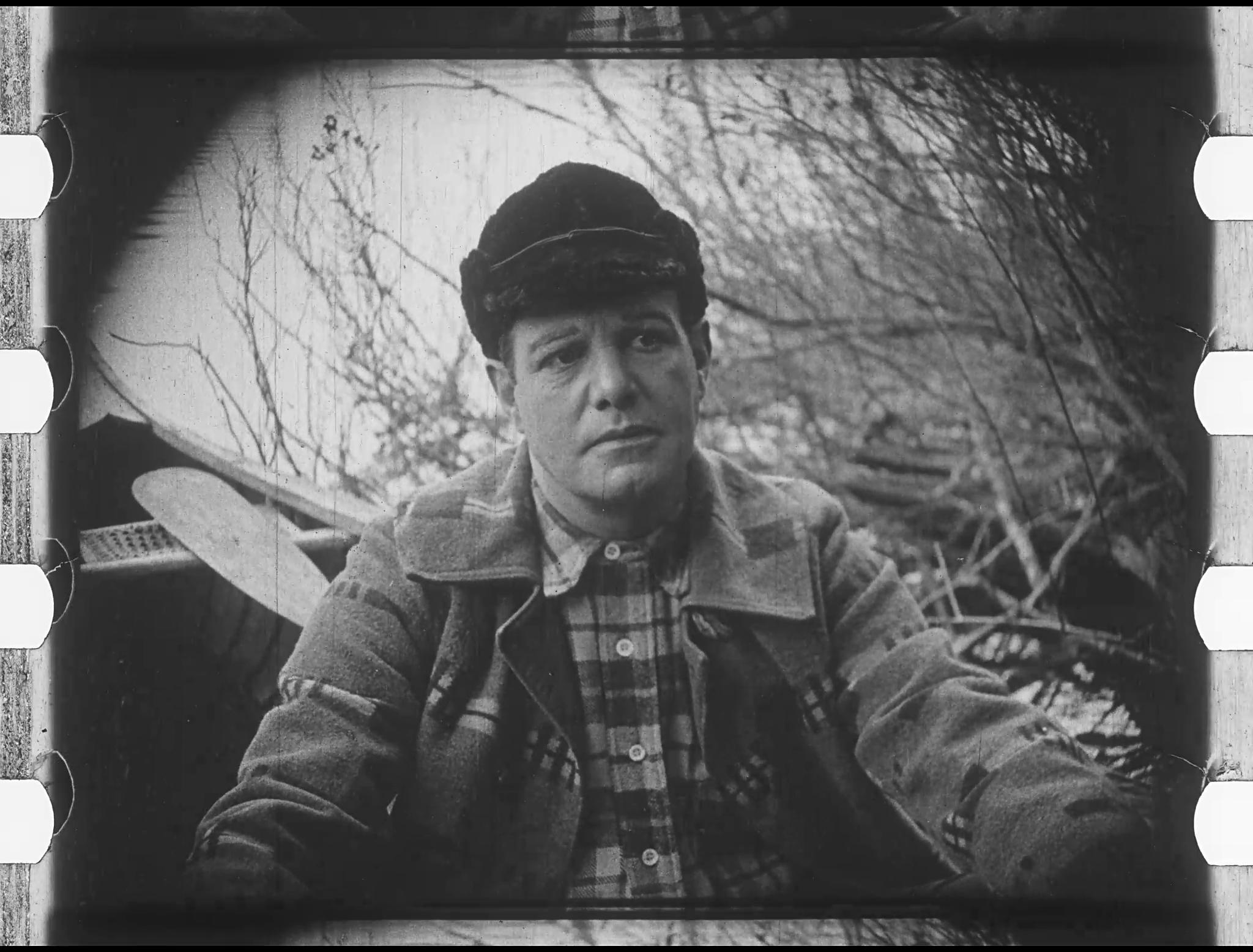
Summary
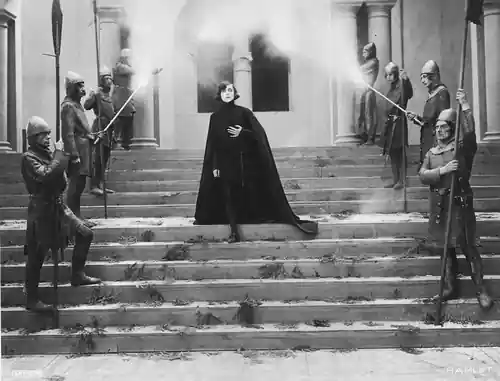
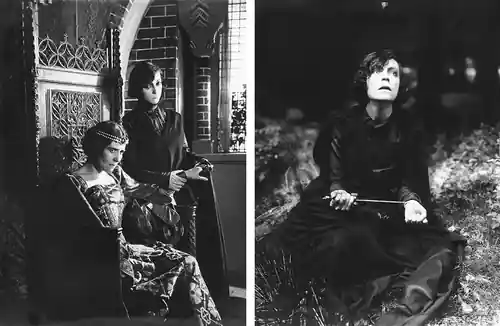
Within a spectral monochrome realm, a Danish princess named Hamlet—her true sex veiled by the iron edicts of her mother’s throne—roams Elsinore’s echoing corridors like a moth scorched by its own flame. The court, a chessboard of whispered treason, believes her a moody prince; only Horatio senses the trembling femininity beneath the doublet, and their clandestine ardor blooms amid tapestries that reek of mildew and murder. Gertrude, far from Shakespeare’s conflicted matron, here orchestrates regicide with the cool precision of a surgeon, then demands her daughter forever wear the mask of masculinity to secure a patrilineal illusion. No ghost stalks the battlements—just a sepulchral voice curling from the sarcophagus and a dream-visage of the dead king, more memory than apparition, urging the princess toward a vengeance she is never sure is hers to claim. Ophelia, caught between Hamlet’s smoldering glances and Horatio’s gentler gaze, becomes both rival and mirror, her madness a silvery fracture reflecting the impossible triangulation of desire. When Fortinbras storms home from Norway with an army of old classmates, Hamlet torches Claudius in a roaring inferno, a purification by fire that leaves the throne room a kiln of charred ambition. Yet retribution curdles: Gertrude rigs the dueling foils, poisons the cup, and in a lurid flourish of maternal treachery, drinks her own draught, collapsing beside the child she both loved and liquefied. The final tableau—princess cradled by Horatio amid swirling smoke and the distant thud of Fortinbras’s boots—freezes into a Pietà of thwarted becoming, the crown rolling empty across the flagstones like a question mark no language can answer.
Synopsis
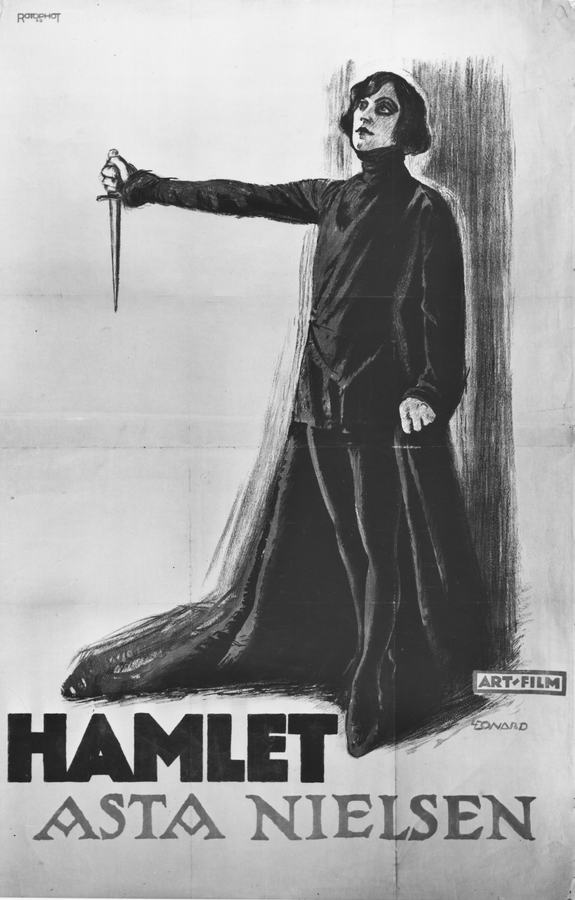
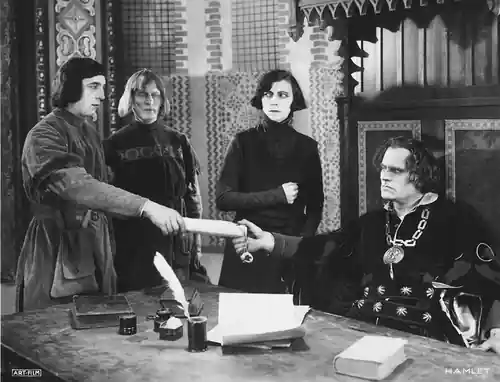
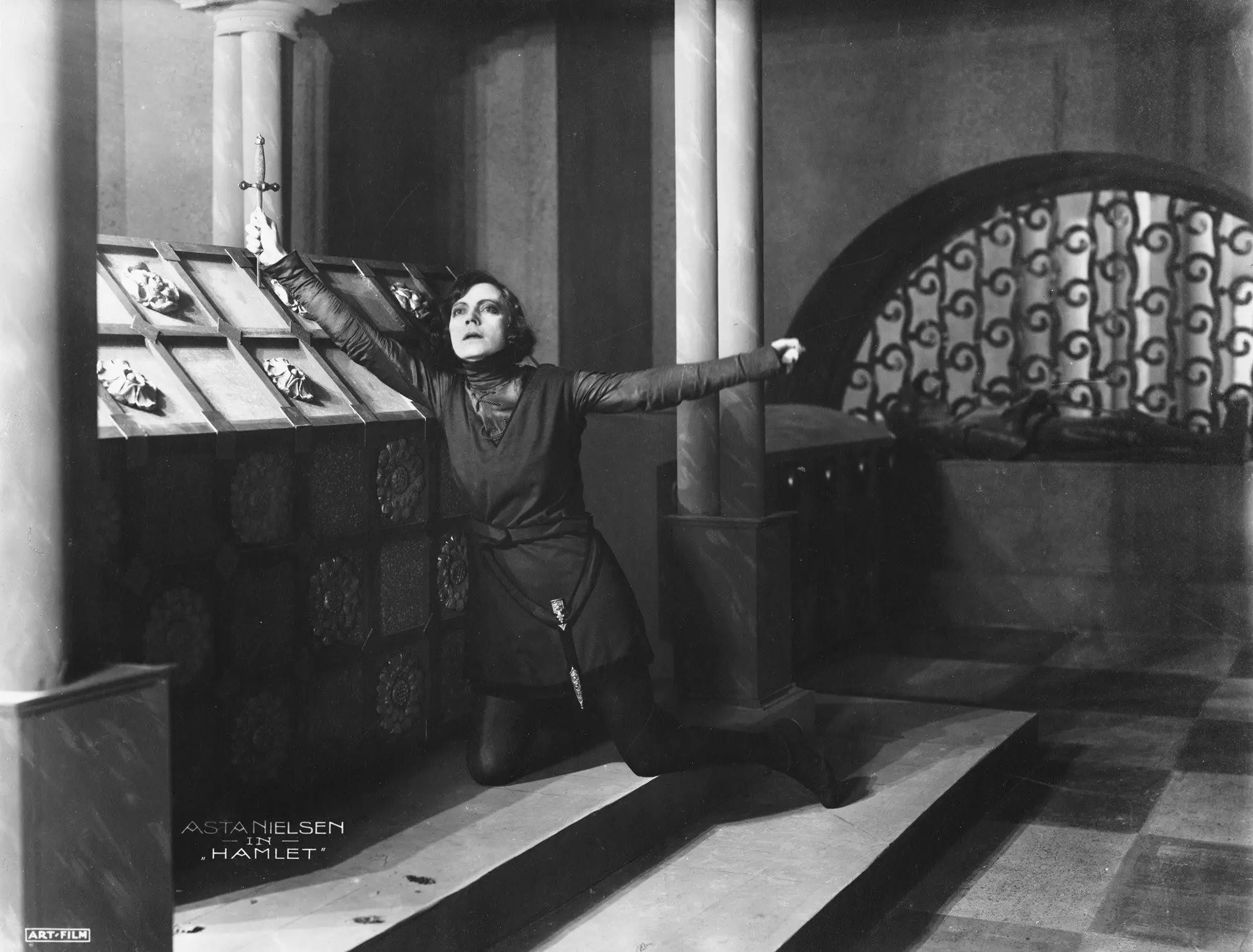
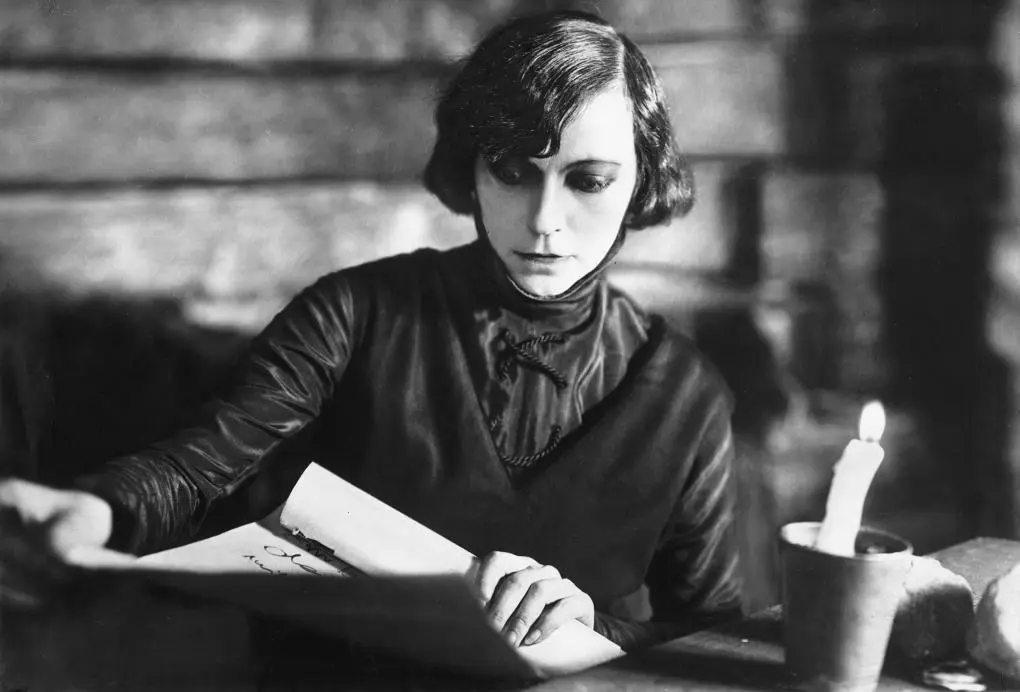
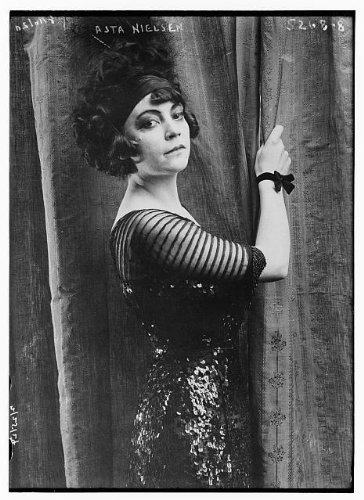
Danish silent movie-star Asta Nielsen formed her own production company to make this film, in which new elements are combined with features (and a few lines) familiar from Shakespeare's version of the legend. The most important of these changes sees Hamlet made into a female character - a princess forced to masquerade as a man by her scheming mother; from this follows Hamlet's secret passion for Horatio and rivalry with Ophelia for his love. Queen Gertrude is here presented as conspiring in her first husband's murder, and the old king's ghost does not appear - young Hamlet merely hears a voice from the tomb and (apparently) dreams of him. In addition, Hamlet now kills Claudius (in a fire) immediately upon returning from Norway with an army led by old school- friend Fortinbras, and it falls to Gertrude to engineer Hamlet's death in the fencing match as well as kill herself by accidentally drinking the poisoned wine.
Review Excerpt
"
Asta Nielsen’s Hamlet is not a footnote to Shakespeare; it is a palimpsest scraped clean and re-inked with the ink still wet, smelling of smoke, sweat, and subversive desire. Filmed in 1921 when Expressionism stalked German studios like a narcoleptic wolf, this Danish production sidesteps Caligari’s angular dreams for something colder: a castle of slate-grey walls where every footstep lands like a verdict. Nielsen, already a sphinx-like superstar, bankrolled the project herself, wresting the te..."