
DbcultAccessing Vault...
Director's Spotlight
Senior Film Conservator
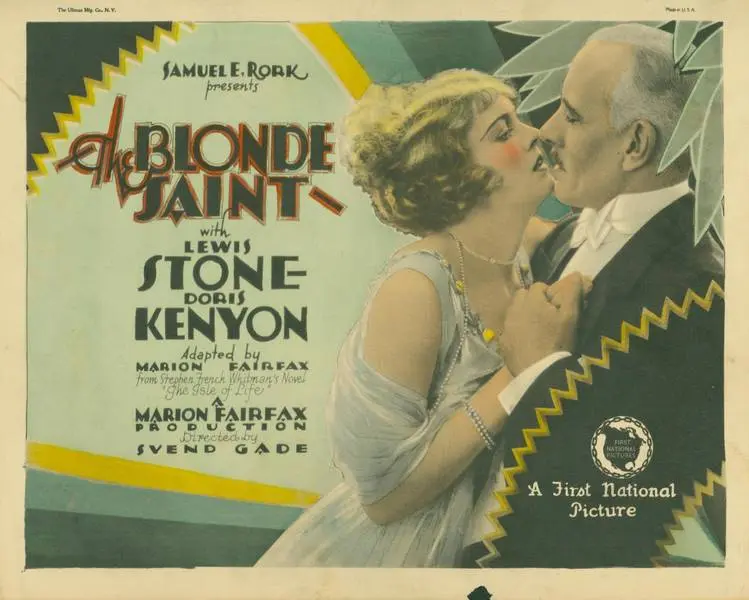
Director's Spotlight: United States
A Deep Dive into the 1926 Vision of Svend Gade
When we examine the cinematic landscape of United States, The Blonde Saint emerges as a landmark work of the unique directorial voice that Svend Gade brought to the screen. This film stands as a masterclass in visual storytelling, it demands to be seen by anyone who cares about the art of film.
In The Blonde Saint, Svend Gade pushes the boundaries of conventional narrative. The film's unique approach to its subject matter has sparked endless debates and interpretations among cinephiles and critics alike.

While deeply rooted in United States, The Blonde Saint has achieved a global reach, influencing directors from various backgrounds. Its ability to translate Drama tropes into a universal cinematic language is why it remains a cult staple decades after its 1926 release.
| Cinematography | High-Contrast |
| Soundtrack | Diegetic |
| Editing | Elliptical |
| Art Direction | Expressionist |
Visualizing the convergence of Svend Gade's style and the core Drama narrative.
Playboy novelist Sebastian Maure falls for Ghirlaine Bellamy, a product of a wealthy--and puritanical--society family, a girl so prim and proper that she's known as "The Blonde Saint." One night at a dinner party, she informs Maure that she is engaged to young Vincent Pamfort and is leaving for England the next day to marry him. Maure tricks her into meeting him on board a boat going to Palermo, and before they get there he suddenly grabs her and jumps overboard. They wind up in a fishing village on a small island and before long find themselves caught up in a cholera epidemic and a local criminal gang.
Decades after its release, The Blonde Saint remains a vital piece of the cinematic puzzle. Its influence can be seen in countless modern works, solidifying Svend Gade's status as a master of the craft in United States and beyond.