
DbcultAccessing Vault...
Director's Spotlight
Senior Film Conservator
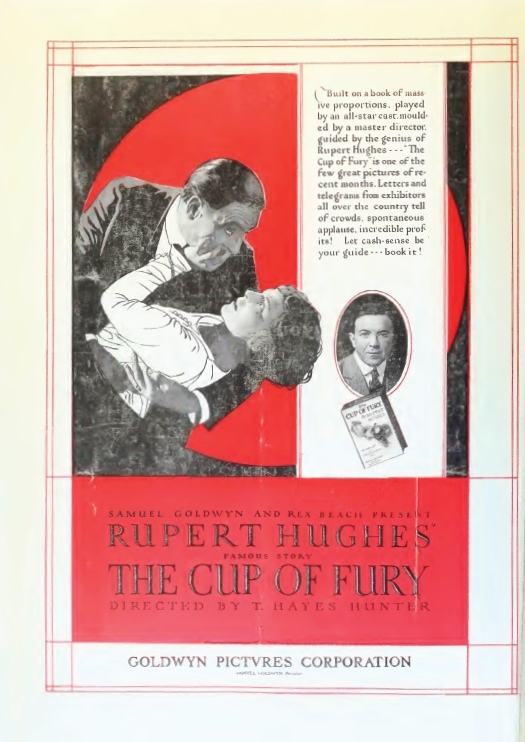
Director's Spotlight: United States
A Deep Dive into the 1920 Vision of T. Hayes Hunter
To understand the modern evolution of United States film, one must first look at The Cup of Fury and the collaborative alchemy between T. Hayes Hunter and the 1920 creative team. Subverting the expectations of the typical 1920 audience, it remains a vital reference point for anyone studying the evolution of T. Hayes Hunter.
In The Cup of Fury, T. Hayes Hunter pushes the boundaries of conventional narrative. The film's unique approach to its subject matter has sparked endless debates and interpretations among cinephiles and critics alike.
| Cinematography | High-Contrast |
| Soundtrack | Experimental |
| Editing | Elliptical |
| Art Direction | Expressionist |
Visualizing the convergence of T. Hayes Hunter's style and the core Drama narrative.
In Germany, young Marie Louise's foster parents commit suicide rather than face charges of treason. Marie emigrates to the US, but when she gets there she is met with contempt and suspicion because of her German nationality. She meets Davidge, who owns a shipbuilding company, and persuades him to get her a job in his shipyards, so she can prove her dedication to the war effort. One day at work she is approached by a man named Verrinder, who is in actuality a German spy. He and some fellow spies are planning to sabotage the shipyards and want Marie to help them.
Decades after its release, The Cup of Fury remains a vital piece of the cinematic puzzle. Its influence can be seen in countless modern works, solidifying T. Hayes Hunter's status as a master of the craft in United States and beyond.