
DbcultAccessing Vault...
Director's Spotlight
Senior Film Conservator
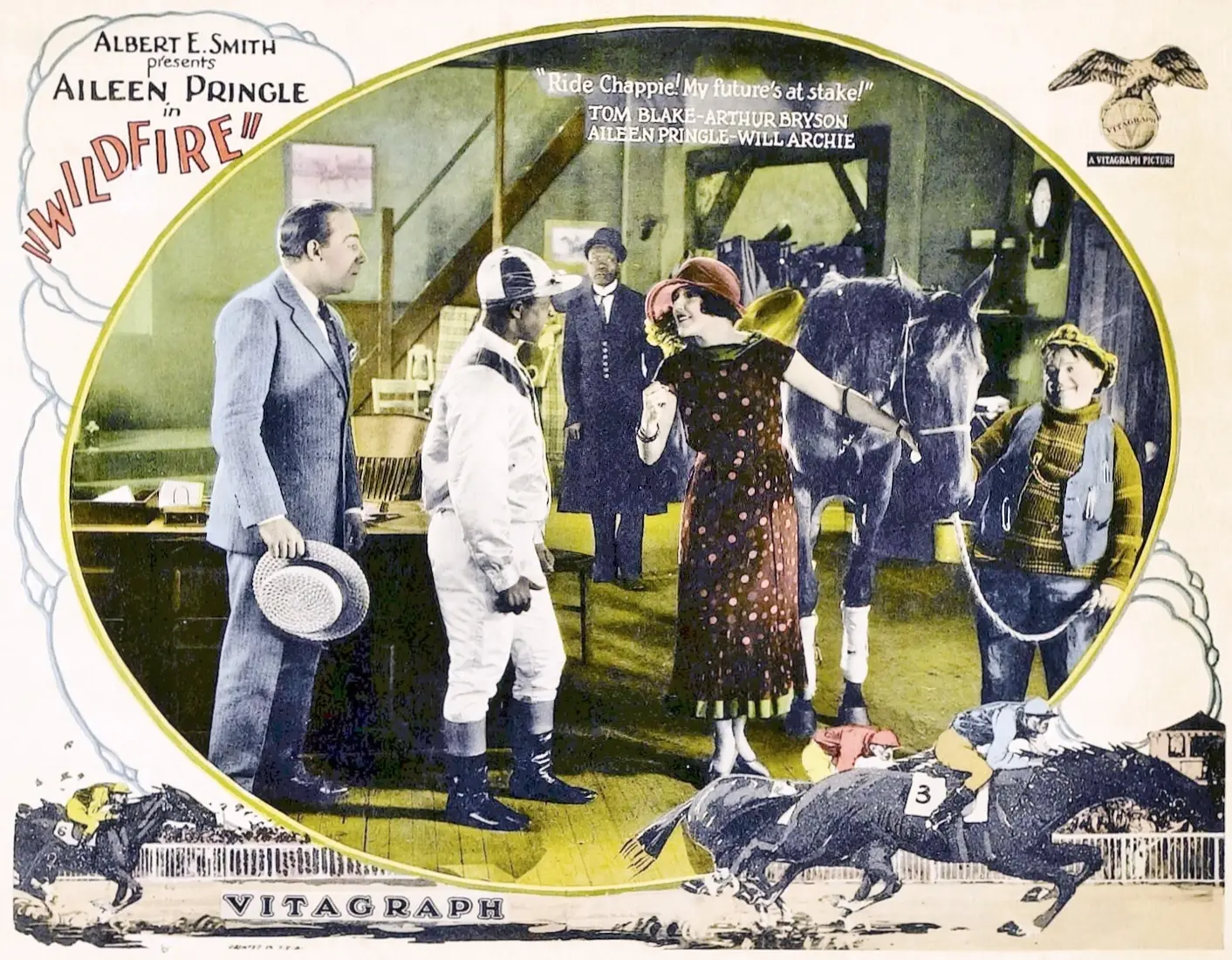
Director's Spotlight: United States
A Deep Dive into the 1925 Vision of T. Hayes Hunter
The evocative power of Wildfire stems from the unique collaboration between the bold experimentation that has become synonymous with T. Hayes Hunter. Framed by the hauntingly beautiful landscapes of the production, it echoes the profound changes occurring in United States during that era.
In Wildfire, T. Hayes Hunter pushes the boundaries of conventional narrative. The film's unique approach to its subject matter has sparked endless debates and interpretations among cinephiles and critics alike.
| Cinematography | Noir-Inspired |
| Soundtrack | Minimalist |
| Editing | Slow-Burn |
| Art Direction | Brutalist |
Visualizing the convergence of T. Hayes Hunter's style and the core Drama narrative.
Claire Barrington, who owns the Duffy racing stables, hopes that her sister, Myrtl, will marry Ralph Woodhurst, whose father is violently opposed to horse racing; in order not to jeopardize the match, Claire lets no one know of her ownership of the establishment. John Duffy, who holds the mortgage on the stable, attempts to use it to force Claire to marry him, but she refuses, citing her love for Garrison, who has been gone for 5 years. Garrison returns just before the big race and, recalling that Duffy persecuted him in the Army, sets out to bankrupt the Duffy stables, not knowing that he is working against the woman he loves. Garrison buys Jackdaw, the only racehorse fast enough to beat Wildfire, the prize Duffy filly. Duffy then sets the Duffy stables on fire in order to discredit Garrison, who is blamed for the fire, and to ruin Claire by killing Wildfire; the horse is saved, however. Duffy hires a jockey named Chappie Raster to ride Wildfire, plotting with him to throw the race. Claire outwits Duffy, however, and Wildfire wins by a nose. Claire and Garrison clear things up between them, and Duffy is left out in the cold.
Decades after its release, Wildfire remains a vital piece of the cinematic puzzle. Its influence can be seen in countless modern works, solidifying T. Hayes Hunter's status as a master of the craft in United States and beyond.