
DbcultAccessing Vault...
Director's Spotlight
Senior Film Conservator
Director's Spotlight: United States
A Deep Dive into the 1931 Vision of Tay Garnett
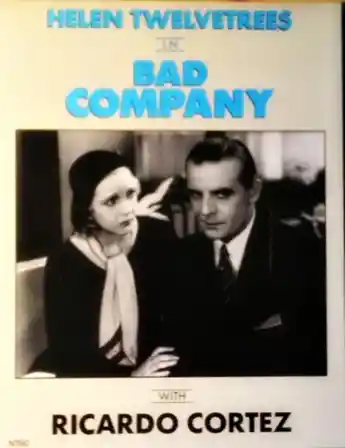
The 1931 release of Bad Company marked a significant moment for the enduring legacy of Tay Garnett's artistic contribution to the genre. By challenging the status quo of 1931 cinema, it has cemented its place in the global cult cinema archive.
In Bad Company, Tay Garnett pushes the boundaries of conventional narrative. The film's unique approach to its subject matter has sparked endless debates and interpretations among cinephiles and critics alike.
While deeply rooted in United States, Bad Company has achieved a global reach, influencing directors from various backgrounds. Its ability to translate Crime tropes into a universal cinematic language is why it remains a cult staple decades after its 1931 release.
| Cinematography | Handheld |
| Soundtrack | Experimental |
| Editing | Elliptical |
| Art Direction | Expressionist |
Visualizing the convergence of Tay Garnett's style and the core Crime narrative.
Ricardo Cortez plays a ruthless, near-psychotic gangster who withal follows his own code of honor. Helen Twelvetrees co-stars as a trusting young woman who marries mob lawyer John Garrick, never dreaming that both her husband and her brother Frank Conroy are involved in the rackets. When she does learn the horrible truth, it is she who determines to "cleanse" her family of the tinge of crime by dealing directly with Cortez--and she means directly.
Decades after its release, Bad Company remains a vital piece of the cinematic puzzle. Its influence can be seen in countless modern works, solidifying Tay Garnett's status as a master of the craft in United States and beyond.