
DbcultAccessing Vault...
Director's Spotlight
Senior Film Conservator
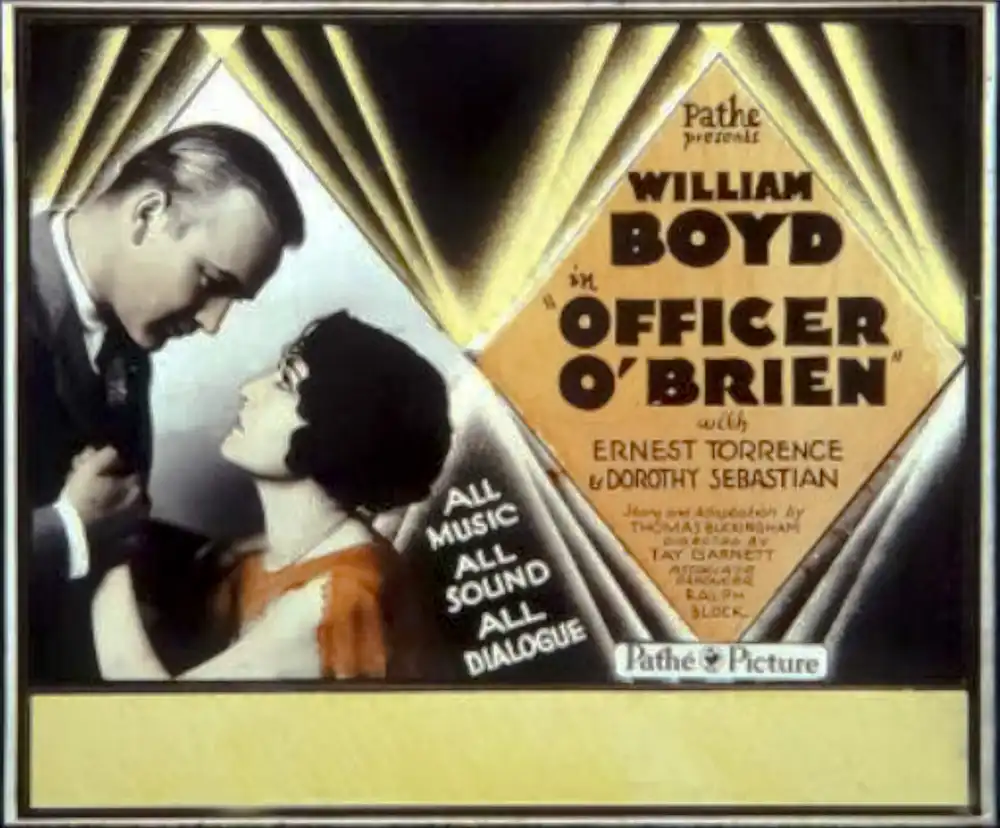
Director's Spotlight: United States
A Deep Dive into the 1930 Vision of Tay Garnett
The 1930 release of Officer O'Brien marked a significant moment for the enduring legacy of Tay Garnett's artistic contribution to the genre. By challenging the status quo of 1930 cinema, it has cemented its place in the global cult cinema archive.
In Officer O'Brien, Tay Garnett pushes the boundaries of conventional narrative. The film's unique approach to its subject matter has sparked endless debates and interpretations among cinephiles and critics alike.
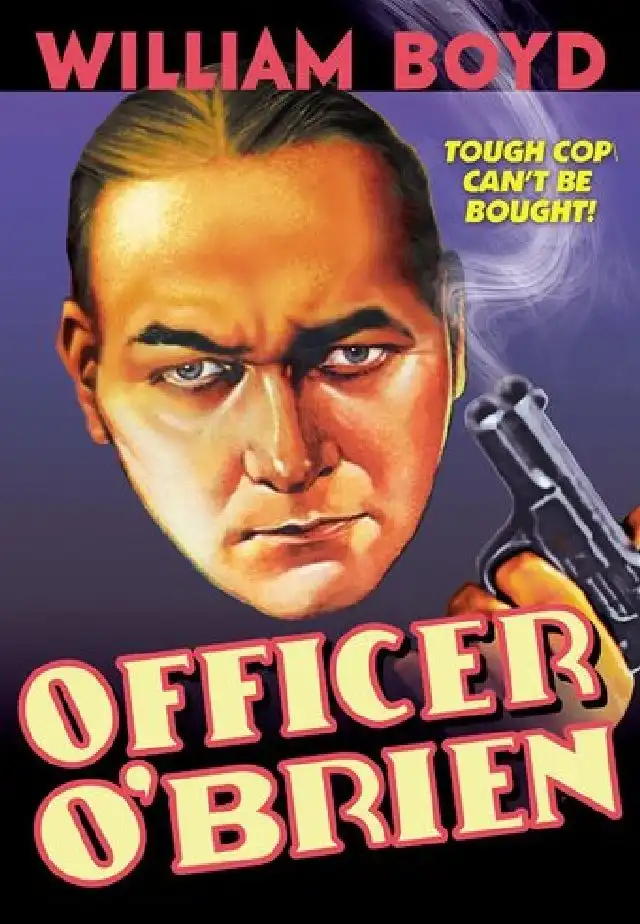
While deeply rooted in United States, Officer O'Brien has achieved a global reach, influencing directors from various backgrounds. Its ability to translate Drama tropes into a universal cinematic language is why it remains a cult staple decades after its 1930 release.
| Cinematography | Noir-Inspired |
| Soundtrack | Minimalist |
| Editing | Disjunctive |
| Art Direction | Baroque |
Visualizing the convergence of Tay Garnett's style and the core Drama narrative.
Bill O'Brien is promoted to lieutenant in the police department for his arrest of Mike Patello, gang leader and racketeer, for murder. Ruth Dale, who loves Bill, is concerned when her brother, Johnny, who witnessed the murder, proposes to testify against the racketeer. Meanwhile, Captain Antrim informs Bill that his father has just been released from prison and does not know his son is a policeman. On the way from prison, O'Brien (J. P.) meets Limo, a former cockney pal who recognizes Bill and keeps J. P. from seeing his son; later, J. P. arrives intoxicated and is enraged, forcing Bill to knock him unconscious. J. P. is arrested for robbery but returns the loot to save his son from disgrace; Johnny is killed before testifying against Patello, who is released but confronted by J. P., who proves his guilt and, when he struggles with the police, kills him. Bill plans to resign, but confident of Ruth's love, he decides to remain on the force.
Decades after its release, Officer O'Brien remains a vital piece of the cinematic puzzle. Its influence can be seen in countless modern works, solidifying Tay Garnett's status as a master of the craft in United States and beyond.