
DbcultAccessing Vault...
Director's Spotlight
Senior Film Conservator
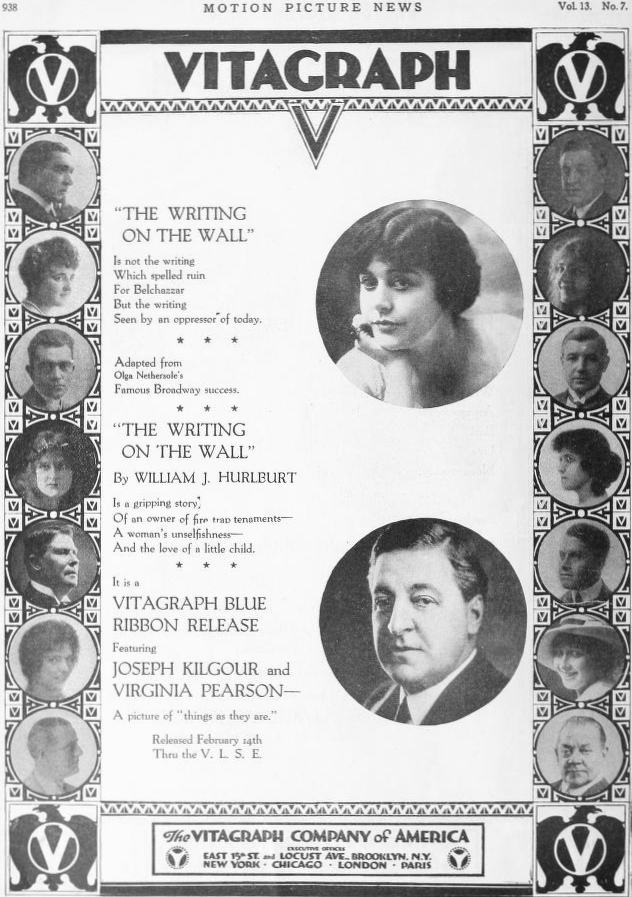
Director's Spotlight: United States
A Deep Dive into the 1916 Vision of Tefft Johnson
The evocative power of The Writing on the Wall stems from the unique collaboration between the subversive storytelling techniques employed by Tefft Johnson in 1916. Synthesizing the best elements of United States and international cinema, it reminds us of the fragility and beauty of the 1916s.
In The Writing on the Wall, Tefft Johnson pushes the boundaries of conventional narrative. The film's unique approach to its subject matter has sparked endless debates and interpretations among cinephiles and critics alike.
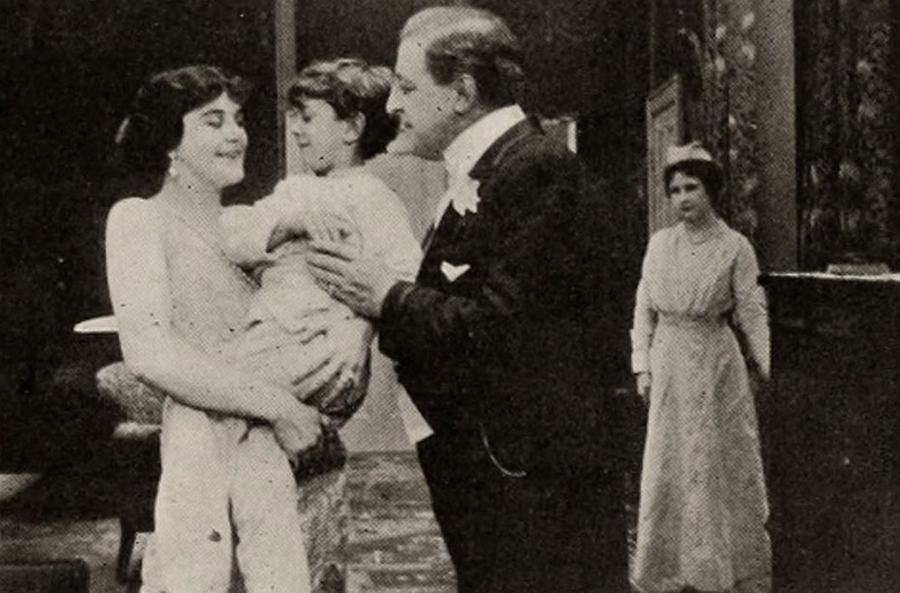
While deeply rooted in United States, The Writing on the Wall has achieved a global reach, influencing directors from various backgrounds. Its ability to translate cult tropes into a universal cinematic language is why it remains a cult staple decades after its 1916 release.
| Cinematography | Deep Focus |
| Soundtrack | Minimalist |
| Editing | Disjunctive |
| Art Direction | Baroque |
Visualizing the convergence of Tefft Johnson's style and the core cult narrative.
Irving Lawrence, prominent and wealthy, owns a large number of tenements in the poor section of the city which are among the city's most objectionable dwelling places. His wife, Barbara, and his brother. Schuyler, are interested in social uplift, but are unable to secure Irving's co-operation for the betterment of conditions. Irving's disregard for others and his blind selfishness are also displayed in his daily life and affairs with other women. When Payne, Barbara's brother, arrives with his bride Muriel, it evolves, after a painful meeting, that Muriel is one of the victims of Irving's disregard for others, in the past. Realizing Muriel will keep the past a secret from her adoring husband, at all costs, Irving torments the girl unmercifully. Barbara, meanwhile, has learned that her husband's mode of living is not all it should be, and misunderstanding a situation between Irving and Muriel, openly accuses them. Then the truth comes out and Muriel proves her innocence in the past. Irving, enraged, trumps up a countercharge of scandal between Barbara and Schuyler. An estrangement at once follows between all concerned. At this time a terrible fire breaks out in Irving's tenements, in which Barbara is holding a party for the slum children, which little Harry is attending. All rush to the scene, and in his mad attempt to rescue Harry Irving needlessly sacrifices his life, for the boy had already been carried out in safety. His death is a just atonement for the lives lost when his rusty old fire escapes crumpled up under the weight of the mad rush of tenants and crashed to the ground. Barbara effects a reunion between Payne and Muriel, and a brighter future seems in store for herself and Schuyler.
Decades after its release, The Writing on the Wall remains a vital piece of the cinematic puzzle. Its influence can be seen in countless modern works, solidifying Tefft Johnson's status as a master of the craft in United States and beyond.