
Cult Cinema
The Celluloid Crypt: Unearthing the Enduring Power of Cinema's Unconventional Rites
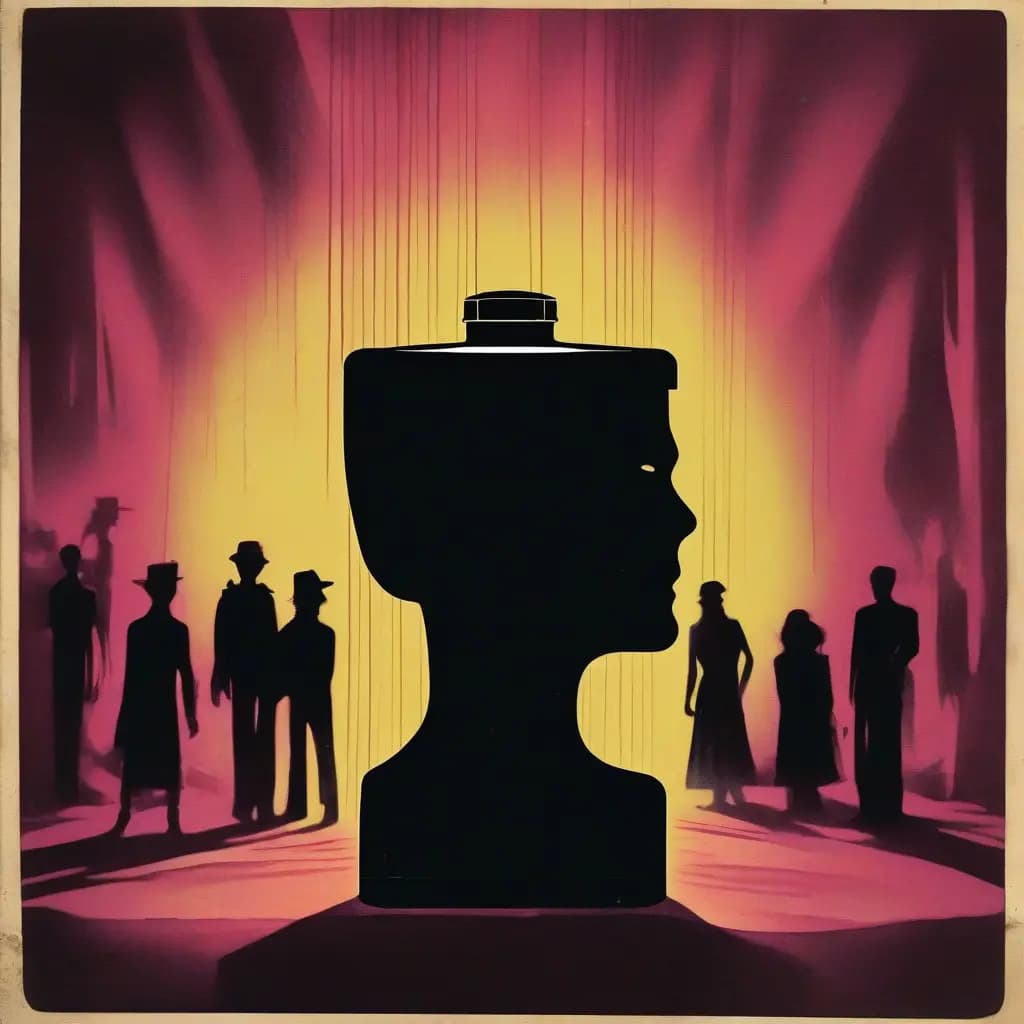
“Cult cinema thrives in the shadows, beckoning viewers into worlds often too strange or provocative for the mainstream. This deep dive explores the enduring allure of these unconventional films, tracing their unique power from early cinematic experiments to modern midnight screenings.”
In the vast, glittering tapestry of cinematic history, there exists a darker, more enigmatic thread – the realm of cult cinema. These aren't the blockbusters designed for mass appeal, nor the critically acclaimed darlings gracing awards season. Instead, cult films are the misfits, the provocateurs, the misunderstood masterpieces that carve out a fervent, often obsessive following. They defy easy categorization, challenge societal norms, and frequently emerge from obscurity to become beloved, rewatched, and ritualistically celebrated. But what imbues a film with this peculiar, enduring power? How do certain cinematic creations transcend their initial reception, sometimes even outright rejection, to become sacred texts for devoted cinephiles? The answer lies deep within the very fabric of film history, echoing back to the medium's nascent years, where the seeds of the unconventional were first sown.
The Genesis of the Anomalous: Early Cinema's Unseen Currents
Long before the term 'cult film' entered the lexicon, the nascent art form of cinema was already experimenting with themes and styles that would later become hallmarks of the genre. The early 20th century was a period of wild innovation, where filmmakers, unburdened by established conventions or strict censorship, explored the full spectrum of human experience. From melodramas steeped in moral ambiguity and forbidden desires, to thrillers dabbling in the supernatural, and comedies pushing the boundaries of taste, the silent and early sound eras offered a fertile ground for narratives that veered off the beaten path. Films that delved into the psychological complexities of jealousy and ambition, or explored the consequences of societal transgression and hidden pasts, were not uncommon. These early cinematic ventures, often driven by raw storytelling and visual experimentation, laid down the foundational DNA for what would later become the cult phenomenon. They were, in essence, the primordial soup from which the strange and wonderful creatures of cult cinema would eventually emerge.
Consider the dramatic intensity found in early narratives that depicted characters grappling with personal demons or societal condemnation. These weren't always designed to be 'mainstream' in the way we understand it today; the very concept of a mass market was still evolving. Instead, many films simply told stories, often with a raw, unfiltered honesty that could be unsettling or deeply resonant. The exploration of themes like prostitution, moral corruption, or the consequences of reckless behavior often presented audiences with challenging reflections of their own world. Even seemingly straightforward dramas or mysteries frequently contained elements of the bizarre, the macabre, or the profoundly psychological, hinting at the unseen forces that drive human action. This willingness to confront the darker, more uncomfortable aspects of life, coupled with innovative visual language, created a rich legacy of films that, while perhaps not 'cult' in their time, certainly possessed the transgressive spirit inherent to the label.
The Maverick Lens: Crafting Otherworldly Visions
What truly distinguishes a cult film is often its unique aesthetic, a stylistic signature that sets it apart from its contemporaries. This can manifest as a distinct visual style, an idiosyncratic narrative structure, or a thematic preoccupation that feels ahead of its time, or perhaps, timelessly odd. Early filmmakers, free from the rigid genre formulas that would later dominate Hollywood, frequently experimented with form and content in ways that yielded genuinely singular results. The exploration of ghost stories, psychological mysteries, or tales of mistaken identity often necessitated creative cinematic techniques to convey suspense, terror, or emotional turmoil. These experiments, whether successful in their initial run or not, contributed to a growing cinematic vocabulary that valued originality over conformity.
The allure of the cult film often stems from its ability to create a fully realized, often unsettling, world. This world-building, even in its nascent forms, allowed audiences to escape into narratives that challenged their perceptions of reality. Whether it was a dramatic exploration of social hypocrisy, the dark underbelly of urban life, or the stark realities of crime and punishment, these films often presented a vision that was both captivating and disorienting. The deliberate choice to focus on characters who are outsiders, rebels, or victims of circumstance resonates deeply with audiences who feel similarly marginalized or misunderstood. This resonance is a crucial component in the alchemy of cult status; it’s the sense that a film speaks directly to a niche audience, validating their experiences or simply providing a unique perspective that mainstream fare neglects.
Narrative Anarchy and Thematic Taboos
Many cult classics revel in narrative anarchy, eschewing conventional storytelling arcs for something more fragmented, surreal, or simply unexpected. This willingness to break the rules of cinematic grammar can be traced back to early cinema’s exploratory phase. Films that tackled controversial subjects like drug abuse, political propaganda, or the harsh realities of war, often did so with an intensity and directness that was shocking for its era. These weren't just stories; they were often social commentaries, moral warnings, or psychological probes that dared to go where other films wouldn't. The very act of engaging with such taboo themes, even in a cautionary tale, imbued these films with a transgressive energy. They became conversation starters, objects of fascination, and for some, illicit pleasures.
The power of these early, unconventional narratives was their capacity to provoke. They weren't always polished or perfectly structured, but their raw emotional impact and their daring subject matter left an indelible mark. A film exploring the devastating effects of addiction or the complexities of a 'forbidden woman' challenged audiences to confront uncomfortable truths. These cinematic experiences, often operating outside the polite boundaries of mainstream entertainment, cultivated an appetite for the audacious. This appetite, passed down through generations of film lovers, forms the bedrock of cult fandom, a perpetual search for films that dare to be different, that refuse to conform, and that speak to the rebel within.
The Audience as Alchemist: From Obscurity to Obsession
Perhaps the most critical ingredient in the cult film recipe is the audience itself. Unlike mainstream hits, which are often pushed into public consciousness through massive marketing campaigns, cult films are discovered, championed, and lovingly dissected by their devotees. This process of discovery is often intimate and personal, transforming a casual viewing into a profound connection. The films that become cult objects often do so after initial commercial failure or critical indifference, only to be resurrected by a passionate few who recognize their unique brilliance or bizarre charm. This organic growth, fueled by word-of-mouth and a shared sense of belonging among fans, is what truly elevates a film from mere curiosity to an enduring cultural touchstone.
The communal aspect of cult cinema cannot be overstated. From the midnight movie screenings of the 1970s to modern online fan communities, sharing the experience of a cult film is integral to its identity. These gatherings, whether physical or virtual, become rituals of appreciation, where fans can revel in shared understanding, quote favorite lines, and celebrate the film's eccentricities. The sense of belonging to an exclusive club, one that appreciates the unseen, the unheard, and the unapologetically strange, fosters a powerful bond. It's a testament to the idea that art, even the most unconventional, can forge deep human connections. The films themselves become artifacts, imbued with meaning and significance far beyond their original intent, thanks to the collective devotion of their followers.
The Power of Imperfection and Accidental Genius
Sometimes, a film achieves cult status not for its perfection, but for its glorious imperfections. Technical flaws, bizarre dialogue, or convoluted plots can, paradoxically, become part of its charm. These elements, which might sink a mainstream production, are embraced by cult audiences as evidence of a film's unfiltered vision or endearing earnestness. The raw, experimental nature of early cinema, where filmmaking was still finding its footing, often resulted in productions that, by modern standards, might seem crude or unintentionally humorous. Yet, it is precisely this unpolished authenticity that can resonate with audiences seeking something genuine and unpretentious.
Moreover, some films become cult favorites due to accidental genius – a scene that became iconic for reasons unintended by its creators, a performance that is so over-the-top it becomes mesmerizing, or a narrative twist that is so shocking it redefines the entire viewing experience. This element of surprise, of stumbling upon something truly unique and unexpected, is a powerful draw for cult audiences. They cherish the films that dare to be different, even if that difference stems from a lack of conventional polish. It’s a celebration of the underdog, the outsider, the film that triumphs not because it played by the rules, but because it shattered them with glorious abandon.
Beyond the Marquee: The Enduring Legacy of the Unconventional
The journey of a cult film from obscure release to beloved classic is a fascinating testament to the fluidity of taste and the power of audience advocacy. These films, often born from the fringes of the industry, demonstrate that true cinematic impact isn't always measured by box office receipts or critical consensus. Instead, it's measured by longevity, by the countless rewatches, by the intricate fan theories, and by the way a film continues to challenge, entertain, and inspire generations. The themes explored in these films – identity, rebellion, societal hypocrisy, the struggle against the unknown, the pursuit of forbidden knowledge – are universal, yet presented through a lens that is uniquely their own.
From the early days of cinema, where narratives explored the consequences of greed and vanity, the allure of forbidden romance, or the chilling presence of the supernatural, right through to the modern era, cult cinema has always been a space for experimentation and boundary-pushing. It’s where filmmakers dare to be different, where stories take unexpected turns, and where the line between genius and madness is often gloriously blurred. The enduring power of cult cinema lies in its ability to offer an alternative, a refuge from the predictable, and a celebration of the weird, the wonderful, and the truly unforgettable. It reminds us that sometimes, the greatest treasures are found not in the spotlight, but hidden away in the celluloid crypt, waiting to be discovered by those brave enough to look.
In an increasingly homogenized entertainment landscape, the cult film serves as a vital reminder of cinema's potential for subversion and profound connection. It’s a testament to the idea that art, in its purest and most uncompromised forms, will always find its audience, no matter how niche or unconventional that audience may be. So, next time you're searching for a cinematic experience that transcends the ordinary, remember the unseen currents and maverick visions that have flowed through cinema's history. Delve into the crypt, and you might just unearth a new obsession, a film that speaks directly to your soul, inviting you to join its devoted, unconventional congregation. The rites of cult cinema are ongoing, and its power, far from diminishing, continues to captivate and transform those who dare to partake.
Community
Comments
Log in to comment.
Loading comments…