
Cult Cinema
The Unwritten Rules: Decoding Cult Cinema's Enduring Power and Maverick Spirit
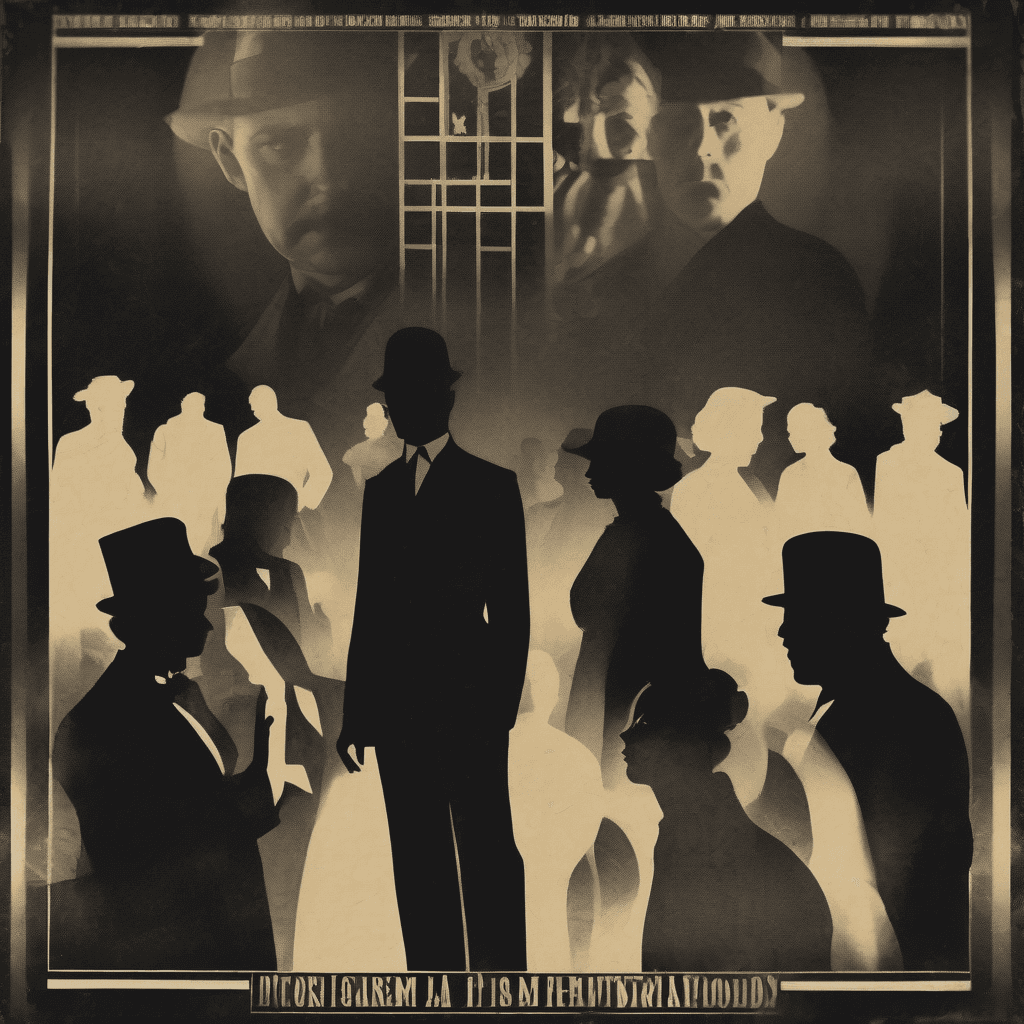
“Cult cinema thrives on defying norms, forging deep connections with audiences who seek out the unconventional, the transgressive, and the truly unique narratives that mainstream Hollywood often overlooks. This article delves into the enduring magnetism of these maverick films, from their silent era …”
In the vast, ever-expanding universe of cinema, where blockbusters dominate headlines and critical darlings bask in awards season glory, there exists a vibrant, shadowy realm known as cult cinema. These aren't merely films; they are phenomena, rites of passage, secret handshakes among cinephiles. They defy easy categorization, often challenging societal norms, artistic conventions, and even basic narrative logic. What is it about these peculiar, often polarizing, and sometimes outright bizarre cinematic creations that fosters such intense devotion, transforming mere viewers into fervent acolytes? It’s a question that delves into the very psychology of fandom, the allure of the transgressive, and the timeless human desire for belonging.
Cult films are the cinematic equivalent of underground movements, thriving on word-of-mouth, midnight screenings, and a shared sense of discovery. They are often misunderstood or dismissed upon their initial release, only to be resurrected by a dedicated following that recognizes their unique genius, their subversive charm, or their profound resonance with a specific niche. This enduring magnetism isn't accidental; it’s woven into the very fabric of their rebellious spirit, a testament to the power of unconventional storytelling to forge lasting connections beyond the fleeting glare of the mainstream spotlight.
The Silent Whispers: Proto-Cult Sensibilities in Early Cinema
Long before the term "cult classic" entered the lexicon, the seeds of this cinematic rebellion were being sown in the nascent days of film. Even in the silent era, a period often romanticized for its innocence, certain films pushed boundaries, explored taboo subjects, or presented narratives with an undeniable, if then unnamed, maverick spirit. These early cinematic experiments, whether grand melodramas, gritty crime thrillers, or whimsical comedies, sometimes contained the very DNA of what would later define cult status: a distinct vision, a willingness to challenge, and an inherent ability to resonate deeply with a select audience.
Consider the dramatic narratives of the early 20th century. Films like those exploring moral dilemmas, societal pressures, or the fragility of human relationships, though perhaps aiming for popular appeal, might have struck a particularly raw nerve with viewers. A film depicting an "invisible divorce" or the "weakness of man" could, by its very subject matter, have touched upon unspoken anxieties or rebellious sentiments. While not overtly transgressive by today's standards, their exploration of complex human flaws and societal hypocrisies offered a depth that transcended simple entertainment, laying groundwork for more daring thematic explorations to come.
Then there were the innovators, those who pushed the technical and artistic boundaries of the medium. The kinetic energy of a film like Abel Gance's 'La Roue', with its groundbreaking editing and visual poetry, was an avant-garde masterpiece that, while critically acclaimed, likely found its deepest appreciation among a discerning few. Its narrative of passion, sacrifice, and the relentless march of fate, told with such audacious visual flair, spoke to an audience hungry for cinematic innovation. Similarly, early crime serials or adventure tales, often episodic and melodramatic, developed dedicated followings, creating an early form of serialized fandom. The thrill of watching a "sable lorcha" mystery unfold or a "girl from Frisco" embark on daring exploits fostered a loyal audience eager for the next installment, demonstrating the nascent power of niche storytelling.
Even early comedies, with their slapstick antics and exaggerated characters, could harbor a peculiar charm that transcended mainstream appeal. A film about "Mind Over Motor" or a "bachelor daddy" might have presented characters or situations that, while humorous, possessed an idiosyncratic quality that resonated with specific sensibilities. These films, often overlooked by grander historical narratives, represent the unseen currents of cinematic creativity that would eventually swell into the undeniable force of cult cinema. They prove that the desire for something different, something that speaks directly to a unique perspective, is as old as cinema itself.
Beyond the Marquee: The Rise of the Cinematic Underground
The mid-20th century witnessed the formalization of the cult film phenomenon, largely fueled by the rise of midnight movie screenings. These late-night showings, often in grindhouse theaters or independent cinemas, became sanctuaries for films too strange, too shocking, or too unconventional for daytime audiences. This era birthed many of the most iconic cult classics, films that thrived on their ability to create an immersive, almost ritualistic, viewing experience. The darkness of the theater, the late hour, and the shared sense of anticipation among a like-minded crowd transformed a simple movie screening into a communal catharsis.
The films themselves were often genre-bending anomalies, pushing the boundaries of horror, sci-fi, comedy, and drama. They embraced the bizarre, the grotesque, and the politically incorrect, offering a stark contrast to the polished, often predictable fare of mainstream Hollywood. These were films that didn't just entertain; they provoked, disturbed, and challenged. They invited active engagement, whether through audience participation, fervent discussion, or repeated viewings that unlocked new layers of meaning.
The appeal of these underground cinematic experiences was deeply rooted in a desire for authenticity and transgression. As society grappled with counter-cultural movements and shifting moral landscapes, cult films provided an artistic outlet for exploring forbidden themes and unconventional perspectives. They became mirrors reflecting the anxieties and desires of a generation, offering solace and validation to those who felt alienated by mainstream culture. The rebel heart of cult cinema beats strongest in these venues, where the unconventional was not just tolerated but celebrated.
The Maverick's Manifesto: Characteristics of Enduring Cult Classics
What exactly defines a film as a cult classic? It's more than just poor box office performance or critical disdain; it's a complex interplay of stylistic innovation, thematic depth, and audience reception. While no single formula exists, several key characteristics frequently emerge in the anatomy of obsession surrounding these films.
Transgressive Content and Taboo Exploration
Many cult films dare to tread where mainstream cinema fears to go. They delve into controversial subjects, graphic violence, sexuality, or unconventional morality. Whether it's the unsettling psychological drama of a forgotten silent film pushing the boundaries of what could be shown, or a modern indie feature exploring extreme human behavior, the willingness to shock and provoke is a hallmark. This transgression isn't merely for shock value; it often serves to challenge viewer perceptions, force uncomfortable introspection, or satirize societal hypocrisies.
Distinctive Aesthetic and Stylistic Flair
Cult films often boast a unique visual style, unconventional narrative structure, or idiosyncratic tone that sets them apart. From surreal dreamscapes to gritty realism, from operatic melodrama to deadpan absurdism, these films refuse to conform to established cinematic grammar. Think of the experimental cinematography that might have characterized an early European art film or the bold, unapologetic visual storytelling of a B-movie horror flick. This distinctive aesthetic is often a primary draw, offering a fresh perspective that audiences find endlessly fascinating.
Narrative Ambiguity and Open Interpretation
Unlike many mainstream films that strive for clear resolutions, cult classics frequently embrace ambiguity, leaving questions unanswered or presenting narratives that invite multiple interpretations. This encourages rewatchability and fervent discussion, as audiences piece together meanings, debate theories, and project their own experiences onto the film. The enduring mystery surrounding a film's true intent becomes part of its allure, fostering a deeper, more intellectual engagement.
Genuine Vision, Regardless of Budget
Cult status is not contingent on production value. Many beloved cult films were made on shoestring budgets, their raw energy and unbridled creativity shining through any technical limitations. What matters is the strength of the vision, the passion of the filmmakers, and the authenticity of the storytelling. This democratic aspect of cult cinema means that a forgotten silent-era drama can hold as much power and relevance as a contemporary independent hit, so long as it possesses that undeniable spark of originality.
A Shared Obsession: The Fandom Phenomenon
At the heart of every cult film lies its audience. These are not passive consumers but active participants, forming communities around their shared passion. The journey from initial viewing to dedicated fandom is often a transformative one, marked by rituals, inside jokes, and a profound sense of belonging. This is where cult cinema truly distinguishes itself.
The ritual of repeated viewings is central. A cult film isn't just watched; it's experienced, analyzed, dissected, and celebrated over and over again. Each viewing reveals new details, hidden meanings, or simply reinforces the comfort of its familiar strangeness. This rewatchability factor is crucial, transforming a momentary cinematic encounter into a lifelong relationship.
Beyond individual engagement, cult films foster vibrant communities. From online forums and social media groups to real-world fan conventions and themed screenings, devotees gather to share their love, debate interpretations, and celebrate the shared obsession. This communal aspect provides a sense of validation and camaraderie, connecting individuals who might otherwise feel isolated by their niche tastes. The film becomes a common language, a shared secret, a cultural touchstone that binds people together.
Audience participation, especially prominent in the midnight movie circuit, further deepens this bond. Shouting lines back at the screen, dressing up as characters, or engaging in interactive performances during screenings transforms viewing into a live event. This active involvement blurs the lines between performer and audience, making each screening a unique, unforgettable experience. It's a testament to the film's power to transcend the screen and seep into the very fabric of its devotees' lives.
The Enduring Legacy: Why Cult Cinema Persists
In an era of endless streaming options and fragmented media landscapes, the allure of cult cinema remains as potent as ever. Perhaps even more so. As algorithms push us towards increasingly homogenized content, the desire for the unconventional, the authentic, and the truly unique grows stronger. Cult films offer an antidote to the bland, a refuge for those who crave cinematic experiences that challenge, provoke, and inspire genuine passion.
They serve as vital historical documents, preserving alternative perspectives and artistic movements that might otherwise be lost to time. From the experimental narratives of early 20th-century European cinema to the gritty independent films of the 1970s, cult classics provide a rich tapestry of cinematic history, showcasing the diverse forms and functions of film beyond commercial success. They remind us that cinema is not just an industry but an art form, capable of profound personal expression and societal critique.
Moreover, cult cinema continues to influence mainstream filmmaking, often acting as a laboratory for new ideas and aesthetics. Themes, visual styles, and narrative techniques pioneered in the underground often find their way into more conventional productions, demonstrating the lasting impact of these maverick visions. What was once considered too strange or too niche can, over time, become an accepted part of the cinematic language, thanks to the persistent advocacy of cult audiences.
Ultimately, cult cinema thrives because it speaks to a fundamental human need: the desire to find meaning, connection, and identity in art that resonates deeply with one's own sensibilities. It's a celebration of the underdog, the outsider, and the unconventional. It's a reminder that true cinematic power isn't measured in box office receipts or critical accolades, but in the enduring devotion of an audience that finds its reflection, its rebellion, and its community within the spectral glow of the screen. These films, from their silent-era ancestors to their modern-day manifestations, are more than just movies; they are cultural touchstones, rites of passage, and enduring testaments to the unwritten rules of cinematic magic.
Community
Comments
Log in to comment.
Loading comments…