
Cult Cinema
The Deviant's Aperture: Tracing the Genetic Rebellion of Cinema’s Earliest Genre Misfits
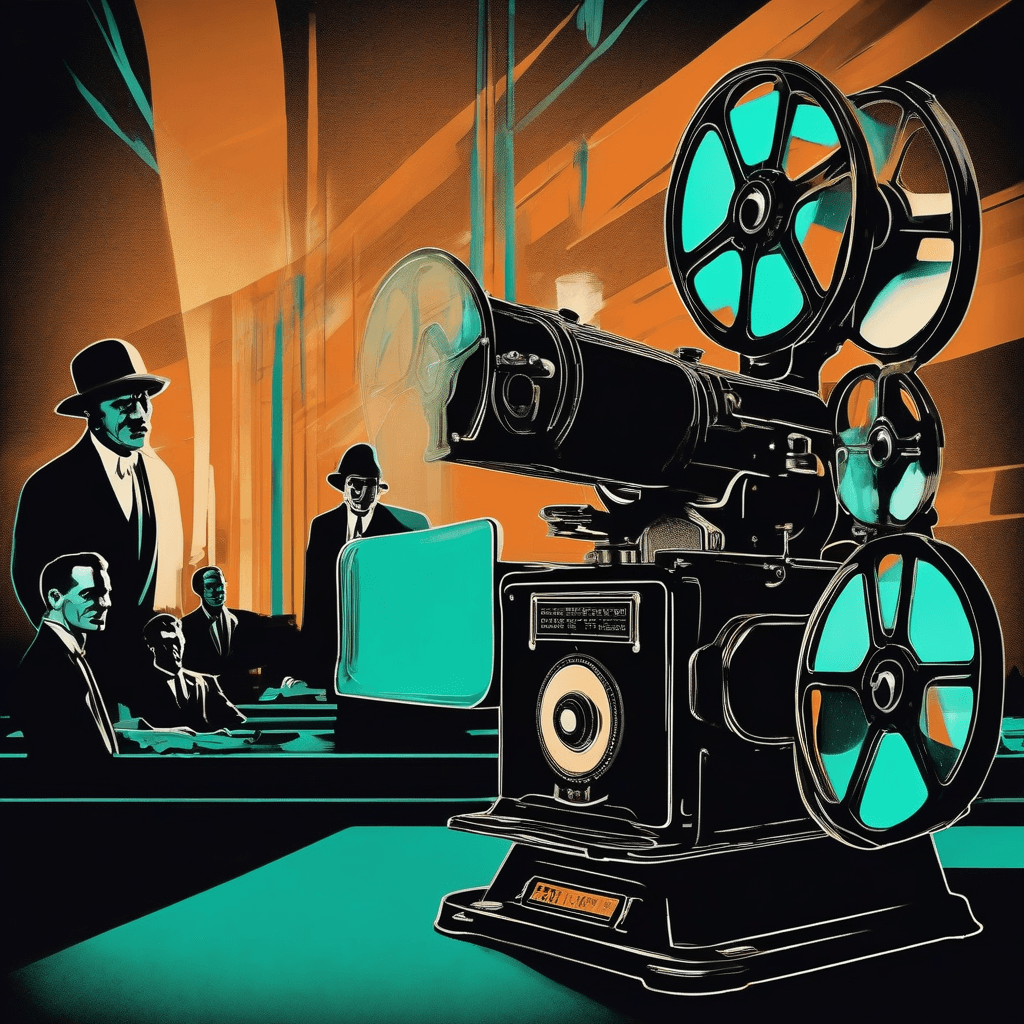
“Explore the foundational roots of cult cinema through the forgotten genre experiments, psychological thrillers, and social outcasts of the early 20th century.”
Cult cinema is often defined by its relationship with the audience—a bond forged in the fires of shared obsession, midnight screenings, and the celebration of the unconventional. While the term 'cult film' gained mainstream traction in the 1970s with the rise of the midnight movie circuit, the genetic blueprint of this rebellion was drafted decades earlier. Long before the era of digital restoration, a collection of narrative outcasts and genre experiments emerged from the silent and early sound eras, challenging the burgeoning status quo of the Hollywood machine. These films, ranging from psychological thrillers to social realism, provided the deviant aperture through which the modern cult ethos was first viewed.
The Psychological Outlier: Compulsion and the Red Circle
One of the most striking examples of early cinematic subversion can be found in the 1915 production of The Red Circle. This film introduced a concept that would become a staple of cult cinema: the psychological mark of the outsider. Centered on a protagonist with a birthmark that appears only during moments of intense stress—forcing her into a life of involuntary theft—the film explored themes of determinism and the duality of the human soul. This 'birthmark as a curse' trope is a direct ancestor to the transgressive body horror and psychological thrillers that populate the modern cult canon. It wasn't merely a mystery; it was an exploration of a character trapped by their own biology, a theme that resonates deeply with audiences who feel marginalized by societal norms.
Similarly, the 1913 Swedish film Blodets röst (Voice of the Blood) delved into the reckless behavior of a man undergoing a mid-life crisis. By depicting self-destructive habits and the resulting domestic havoc, the film bypassed the moralizing tone common in its era, opting instead for a raw look at human fallibility. These early explorations of the 'broken' protagonist laid the groundwork for the anti-heroes that would eventually define the noir and neo-noir cult movements.
The International Fringe: Baku, the Sahara, and Beyond
Cult cinema has always thrived on the 'other'—the films that transport us to landscapes and cultures far removed from the Western gaze. In 1917, the Azerbaijani film Arshin mal-alan (The Cloth Peddler) offered a unique window into turn-of-the-century Baku. A romantic comedy about a young businessman who disguises himself as a peddler to meet his future bride, it challenged the rigid social structures of the time while showcasing a vibrant, localized aesthetic. For modern cult enthusiasts, such films represent the 'unseen' history of cinema, offering a narrative rhythm that differs significantly from the standard three-act structure of early American features.
The Magnetism of the Macabre: Bela Lugosi's Early Shadows
Before he became the definitive Count Dracula, Bela Lugosi was already etching his name into the annals of the unusual. In the 1920 adventure Caravan of Death, Lugosi portrayed a lascivious Arab sheikh in the Sahara. This film, with its desert intrigue and Lugosi's burgeoning screen presence, serves as a primordial example of how a singular actor's magnetism can transform a genre piece into a cult object. The 'Caravan of Death' represents the early 20th-century fascination with the exotic and the dangerous, a combination that continues to fuel the 'weird fiction' and adventure subgenres of cult cinema today.
Social Realism as Subversion: Hungry Hearts and the Immigrant Soul
Not all cult films are born of fantasy or horror; some find their power in the raw, unvarnished depiction of the human condition. Hungry Hearts (1922), an adaptation of Anzia Yazierska's stories, brought the Jewish immigrant experience to the mainstream audience with a level of grit and emotional honesty that was rare for its time. By focusing on the hopes and hardships of women in the Lower East Side, the film created a narrative of identity and survival that resonated with a niche, devoted audience. This focus on the 'marginalized voice' is a cornerstone of the cult ethos, where the personal becomes political and the specific becomes universal.
In a similar vein, Cheating the Public (1918) tackled the greed of factory owners and the plight of the working class. Films like these, including the Argentinian drama La muerte civil (Civil Death), acted as early social manifestos. They weren't just entertainment; they were acts of celluloid rebellion against economic and social injustice, paving the way for the political cult cinema of the 1960s and 70s.
Technological Anomalies and Experimental Sound
The history of cult cinema is also a history of technological curiosity. Long before the 'talkies' became the standard, experimenters like Lee De Forest were pushing the boundaries of what film could be. The 1923 short Noble Sissle and Eubie Blake Sing Snappy Songs is a rare filmed record of vaudeville legends performing in one of the earliest experimental sound films. For the cult collector, these technological 'firsts' or 'failures' are holy grails. They represent a moment of transition, a flickering glimpse into a future that wasn't yet fully formed.
The Hybridity of the Western: From Gun Law to The Night Rider
The Western genre, often seen as the most traditional of American forms, was actually a hotbed for early experimentation. A Western Adventurer (1921) blended comedy and action, featuring a hero who tells his horse to follow him as he hitches a ride in an automobile. This kind of genre-blending—mixing the rugged frontier with the modern machine—created a surreal quality that is a hallmark of cult storytelling. Meanwhile, films like Gun Law (1919) and The Night Rider (1920) played with the archetype of the 'Cisco Kid' and the detective, often blurring the lines between the lawman and the outlaw. This moral ambiguity is exactly what draws cult audiences to the fringe; they prefer the grey areas of the human experience to the black-and-white morality of the mainstream.
The Narrative Outcasts: Crime, Drama, and the Frame-Up
The 'frame-up' and the 'ex-convict seeking redemption' are tropes that have fueled countless cult classics. In Dice of Destiny (1920), ex-convict Jimmy Doyle struggles to go straight while being pursued by the detective who framed him. This narrative of the 'man against the system' is a powerful cult archetype. It echoes through the works of later directors who would make the 'wronged man' a central figure in their filmography. Similarly, Bare Knuckles (1921) introduced 'The Brute' of the San Francisco underworld—a character who is both a savior and a menace. These early crime dramas, such as Kiss or Kill (1918) and The Recoil (1921), established the gritty, urban atmosphere that would eventually evolve into the cult-favorite noir aesthetic.
We also see the roots of cult melodrama in films like The Dancing Girl (1915), where a Quaker girl leaves her isolated island to become a servant to a spendthrift Duke in London. The clash of cultures, the 'fish-out-of-water' narrative, and the high-stakes emotionality are all elements that cult fans adore. These films often pushed the boundaries of acceptable social behavior, exploring themes of betrayal, as seen in A Daughter of Eve (1914), or the neglectful dynamics of Modern Marriage (1923).
The Legacy of the Forgotten Reel
Why do we continue to look back at these century-old artifacts? Because they represent the raw material of cinematic imagination before it was refined into a formula. Films like Das neue Paradies (The New Paradise) and Fanatics (1917) show us an era where the rules of storytelling were still being written. Whether it’s the Antarctic exploration captured in Southward on the Quest (1922) or the satirical village maiden in Limousine Life (1918), these films offer a diversity of tone and subject matter that modern cinema often struggles to replicate.
The Cult of the Curious: From Circus Elephants to Secret Societies
The sheer variety of these early 'outliers' is staggering. Consider The Old Maid's Baby (1919), featuring a girl who spends her time with a lame dog and an elephant, or the secret societies and millionaire recluses in the serial The Adventures of Ruth (1919). These are the 'curios' of the film world—movies that don't fit neatly into any box. They are the ancestors of the 'weird' cinema movement, proving that the desire for the unusual has always been a part of the movie-going experience. Even the titles themselves—Bulling the Bolshevik, Hoppla, Herr Lehrer, and Pep—suggest a playful, experimental spirit that is the very heart of cult devotion.
In the end, the 'deviant aperture' of early cinema reminds us that the fringe is where the most interesting things happen. By examining the genetic rebellion of films like The Forbidden Thing (1920) or God's Man (1917), we gain a deeper appreciation for the modern cult classics we love today. These early pioneers were the original renegades, the first to use the flickering light of the projector to tell stories that were too strange, too bold, or too honest for the mainstream. Their legacy is the enduring flame of cult cinema—a flame that continues to burn brightly in the hearts of those who seek the unconventional.
Community
Comments
Log in to comment.
Loading comments…