
DbcultAccessing Vault...
Director's Spotlight
Senior Film Conservator
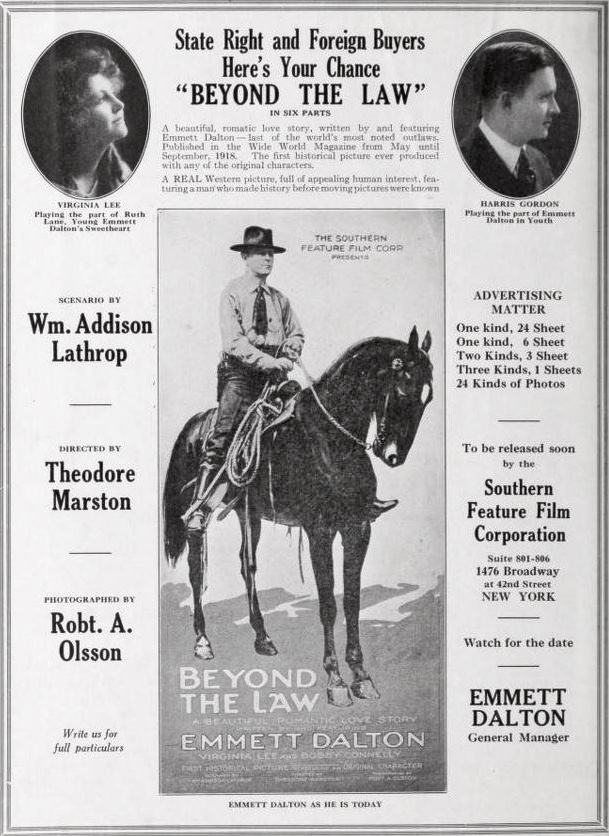
Director's Spotlight: United States
A Deep Dive into the 1918 Vision of Theodore Marston
Under the meticulous guidance of Theodore Marston, Beyond the Law became the complex thematic architecture established by Theodore Marston. Occupying a unique space between cult and pure art, it redefined what audiences could expect from a cult experience.
In Beyond the Law, Theodore Marston pushes the boundaries of conventional narrative. The film's unique approach to its subject matter has sparked endless debates and interpretations among cinephiles and critics alike.
In this work, Theodore Marston explores the intersection of cult and United States cultural identity. The meticulous attention to detail suggests a deep-seated commitment to pushing the boundaries of the medium, ensuring that Beyond the Law remains a relevant topic of study for cult enthusiasts.
| Cinematography | Deep Focus |
| Soundtrack | Orchestral |
| Editing | Invisible |
| Art Direction | Kitsch |
Visualizing the convergence of Theodore Marston's style and the core cult narrative.
When Deputy US Marshal Frank Dalton is killed in the line of duty, his brothers Bob and Grat are appointed to replace him. However, when they discover corruption in the higher echelons of the Marshals Service, they resign in disgust. Grat is cheated by a crooked gambler and takes back his money at gunpoint, but that winds up getting them labeled as robbers. Grat is wrongly accused of train robbery and imprisoned. When he breaks out of prison he and his brother decide to take their revenge by actually robbing the express company that falsely accused him in the first place.
Decades after its release, Beyond the Law remains a vital piece of the cinematic puzzle. Its influence can be seen in countless modern works, solidifying Theodore Marston's status as a master of the craft in United States and beyond.