
DbcultAccessing Vault...
Director's Spotlight
Senior Film Conservator
Director's Spotlight: United States
A Deep Dive into the 1919 Vision of Theodore Marston
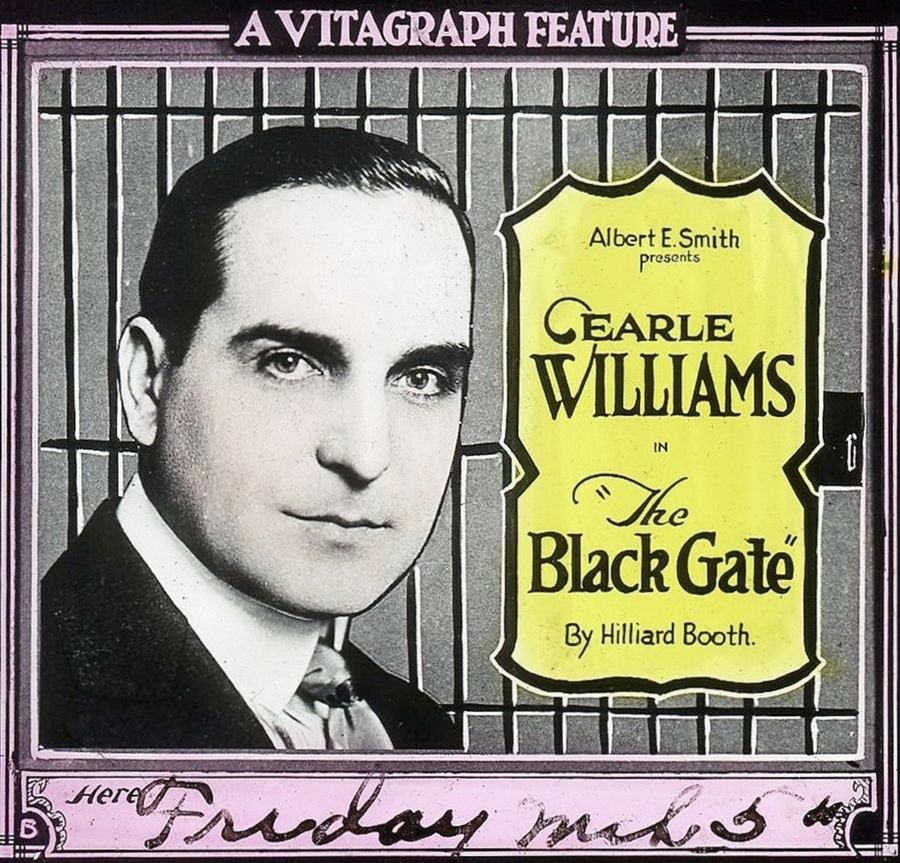
The artistic breakthrough represented by The Black Gate in 1919 highlights the uncompromising vision of Theodore Marston that defines this cult masterpiece. In the context of United States's rich cinematic history, it captures a specific kind of cinematic magic that is rarely replicated.
In The Black Gate, Theodore Marston pushes the boundaries of conventional narrative. The film's unique approach to its subject matter has sparked endless debates and interpretations among cinephiles and critics alike.
The visual language of The Black Gate is defined by its use of shadows and framing, a hallmark of Theodore Marston's style. By utilizing a 1919-era palette, the film creates an immersive experience that perfectly complements its cult themes.
| Cinematography | Deep Focus |
| Soundtrack | Minimalist |
| Editing | Disjunctive |
| Art Direction | Baroque |
Visualizing the convergence of Theodore Marston's style and the core cult narrative.
Lecherous theatrical manager Allan Bowen is shot and killed while attempting to rape Vera Hampton. Wade DeForrest, the son of a wealthy woman, is charged with murder. Wade's companion that evening, Shaler Spencer, once a prominent lawyer but now an idler who has squandered his brother Rod's inheritance, decides to confess to the killing if Wade's mother will pay Rod $100,000 the day Shaler enters "the black gate" - the door to the death chamber. Mrs. DeForrest agrees, but when Vera, who earlier was Shaler's lover, visits him and they reconcile, he announces his innocence. When he sees Mrs. DeForrest's tears, however, he admits that he did fire at Bowen. Later, Shaler discovers that the bullet in Bowen could not have come from his gun, then Wade confesses that he killed Bodwen out of jealousy because he had fallen for Vera after she left Shaler. In the end, Shaler and Vera decide to marry.
Decades after its release, The Black Gate remains a vital piece of the cinematic puzzle. Its influence can be seen in countless modern works, solidifying Theodore Marston's status as a master of the craft in United States and beyond.