
DbcultAccessing Vault...
Director's Spotlight
Senior Film Conservator
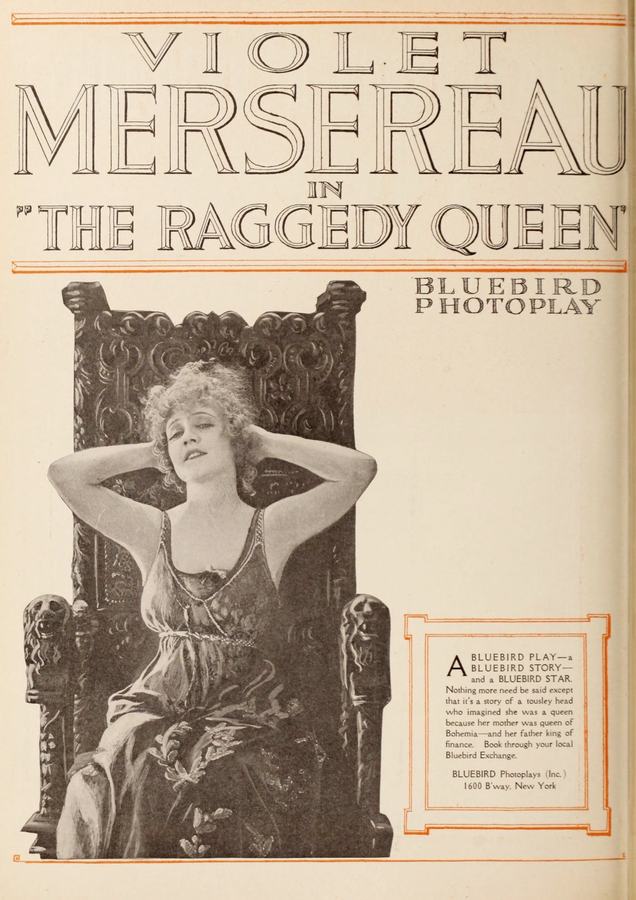
Director's Spotlight: United States
A Deep Dive into the 1917 Vision of Theodore Marston
Deciphering the layers of The Raggedy Queen (1917) reveals a monumental shift in cult filmmaking spearheaded by Theodore Marston. With its avant-garde structure and atmospheric tension, offering layers of thematic complexity that demand repeated viewing.
In The Raggedy Queen, Theodore Marston pushes the boundaries of conventional narrative. The film's unique approach to its subject matter has sparked endless debates and interpretations among cinephiles and critics alike.
In this work, Theodore Marston explores the intersection of cult and United States cultural identity. The meticulous attention to detail suggests a deep-seated commitment to pushing the boundaries of the medium, ensuring that The Raggedy Queen remains a relevant topic of study for cult enthusiasts.
| Cinematography | Deep Focus |
| Soundtrack | Minimalist |
| Editing | Disjunctive |
| Art Direction | Baroque |
Visualizing the convergence of Theodore Marston's style and the core cult narrative.
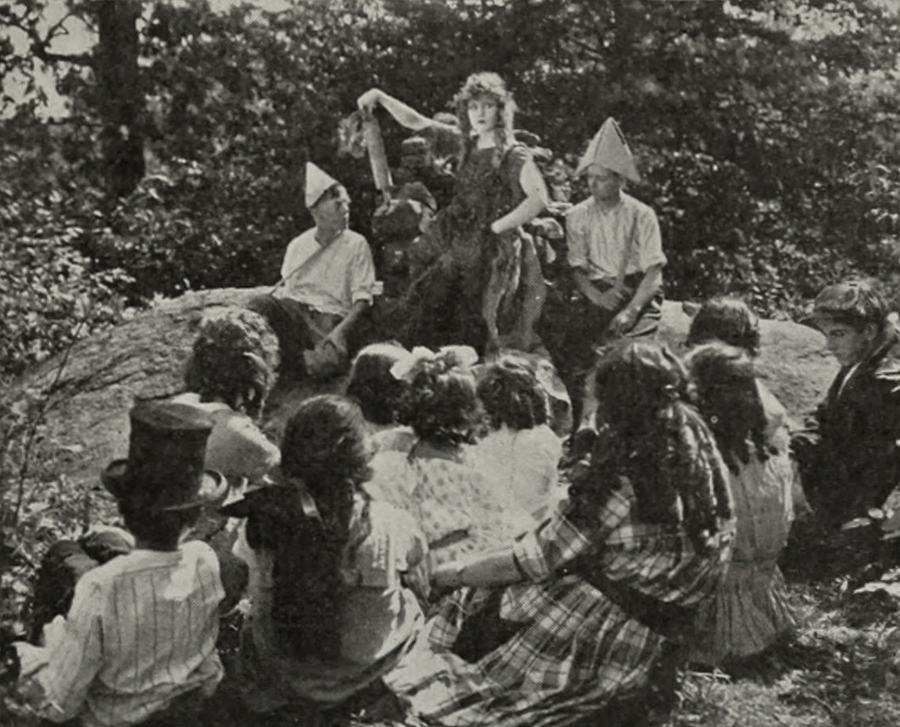
Tatters holds court in a rundown little village at the mouth of the main shaft of the Tilson iron mines. The court consists of miners' children. Tatters firmly believes that she is descended from royal blood, for had not "Crazy Anne" told her that her mother was a queen and her father was a king? In the days of prosperity Anne had been Tatters' mother's maid, but the only proof she had of Tatters' royal lineage was a trunk full of regal gowns and a newspaper clipping. Old man Tilson was so busy with other matters that the little iron mine which bore his name interested him little, and the complaints and pleading of his manager, Tom Brennon, interested him still less. It was not until he received a frank letter from the village priest that he even condescended to send his secretary, Daniel Grant, to make the best terms possible with the men who had been incited by Lem Braxton to threaten a strike. Braxton was a sorehead, and had vowed to get even with the whole outfit for fancied wrongs. His first meeting with Grant resulted in a combat, and Grant was speedily added to Braxton's list of undesirables. In fact, he went after him first, and while Grant was fishing in an interval of work at a stream which had pointed out to him by Tatters, Braxton stole up behind him, and after a fight threw him over a cliff. Little Tatters found the secretary more dead than alive, and with Crazy Anne's help she brought him to her own little hovel and nursed him back to health. In the meantime, Grant's disappearance had alarmed Tilson, and ho had come on personally to search. Braxton soon found an opportunity to revenge himself upon Tilson and Brennon together by undermining the shack in which the iron mine's office was located, and allowing it to drop two hundred feet into the mine below. Just as he was about to pull this terrible trap, Tatters and Grant come up behind him, on their way to the office, and Tatters engaged the giant long enough for Grant to warn Tilson and Brennon of their danger. Though badly hurt she made her way to Anne's home, and Anne put her to bed. Tilson and Grant visit the hovel to thank the little girl for her brave deed, and what is Tilson's surprise to find on the little trunk over which Anne has erected a ridiculous throne, the word "Corinne." Like a flash his memory goes back to the actress wife with whom he had quarreled, and he rushes into the bedroom to unravel the gnawing tangle which his memory has conjured up. To his amazement he discovers in the child a replica of Corinne Tilson, his wife, and he explains to the surprised priest and his secretary how it was possible for the little girl to think that she was of royal parentage. The newspaper clipping declares Corinne to be Queen of Bohemia, and Tilson, King of Finance.
Decades after its release, The Raggedy Queen remains a vital piece of the cinematic puzzle. Its influence can be seen in countless modern works, solidifying Theodore Marston's status as a master of the craft in United States and beyond.