
DbcultAccessing Vault...
Director's Spotlight
Senior Film Conservator
Director's Spotlight: United States
A Deep Dive into the 1915 Vision of Thomas H. Ince
The 1915 release of The Cup of Life marked a significant moment for the enduring legacy of Thomas H. Ince's artistic contribution to the genre. By challenging the status quo of 1915 cinema, it has cemented its place in the global cult cinema archive.
In The Cup of Life, Thomas H. Ince pushes the boundaries of conventional narrative. The film's unique approach to its subject matter has sparked endless debates and interpretations among cinephiles and critics alike.
| Cinematography | Noir-Inspired |
| Soundtrack | Synth-Heavy |
| Editing | Disjunctive |
| Art Direction | Baroque |
Visualizing the convergence of Thomas H. Ince's style and the core cult narrative.
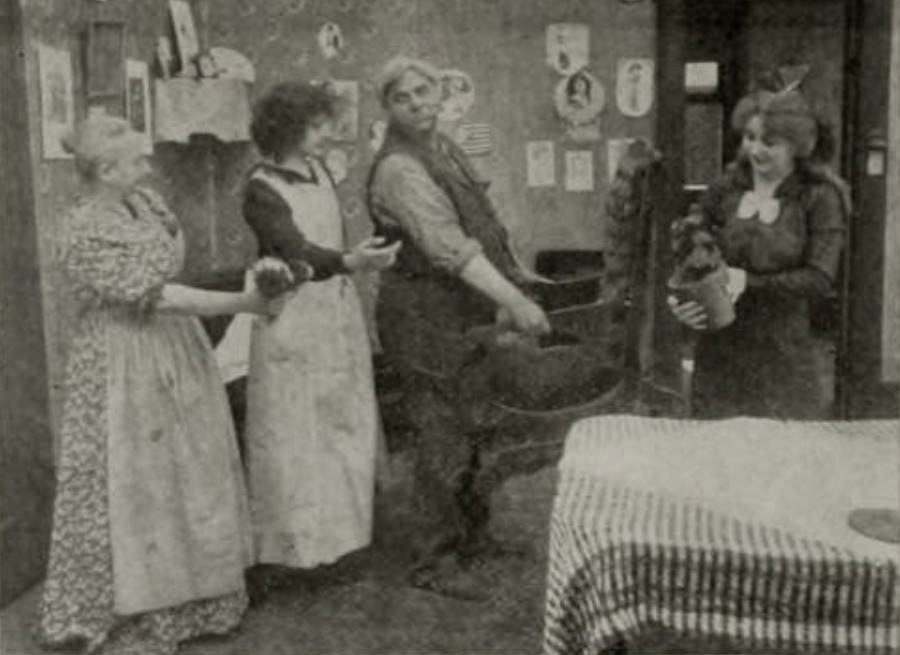
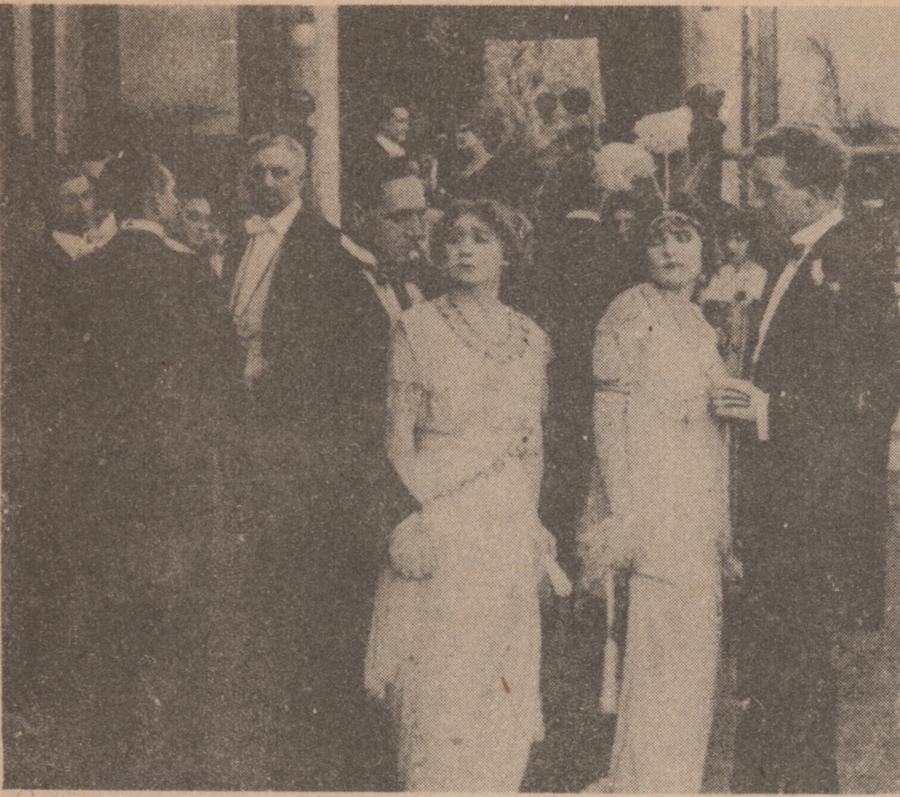
Sisters Helen and Ruth Fiske work in a department store and live in an East Side tenement. While Ruth is satisfied with her "regular fellow," a mechanic, Helen yearns for fine clothes, wealth, and attention. Ruth marries the mechanic and they struggle for a modest existence. Helen leaves her squalor to be the mistress of wealthy John Ward, despite Ruth's pleas. As the years pass, Helen goes from one man to the next, looking for more luxuries. When James Kellerman, who really loves her, proposes, she laughs at him. Finally, Helen returns from Europe embittered that she no longer commands the attention of men. She tries to win Kellerman back, but her phony coyness contrasts with the natural innocence of the woman he is about to marry. When Helen sees Ruth in her pretty cottage, with two children, and still in love, she despairs for her own future. Her subsequent suffering is eased only by alcohol, drugs and cigarettes--which hasten her death.
Decades after its release, The Cup of Life remains a vital piece of the cinematic puzzle. Its influence can be seen in countless modern works, solidifying Thomas H. Ince's status as a master of the craft in United States and beyond.