Summary
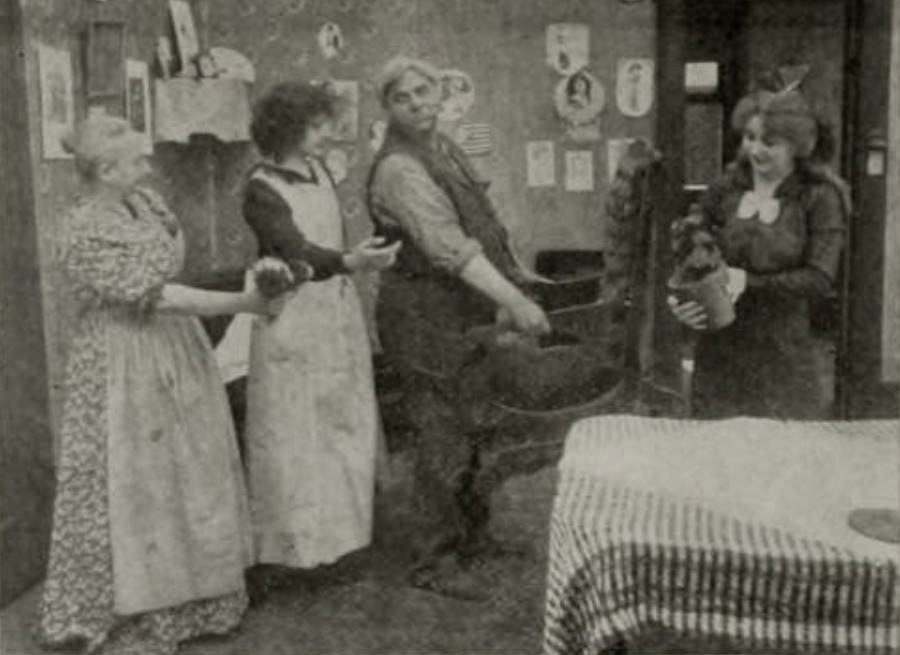
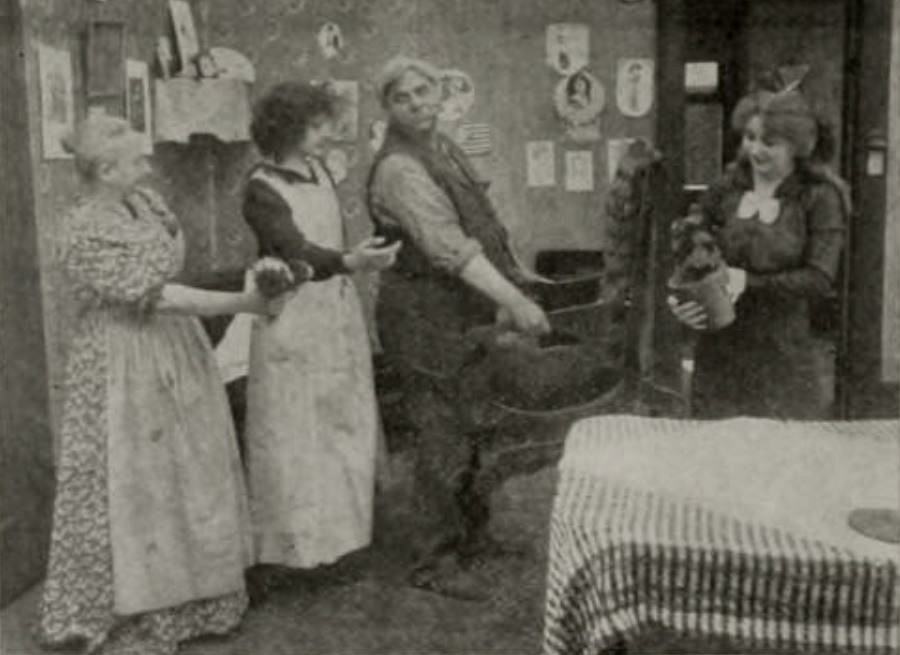
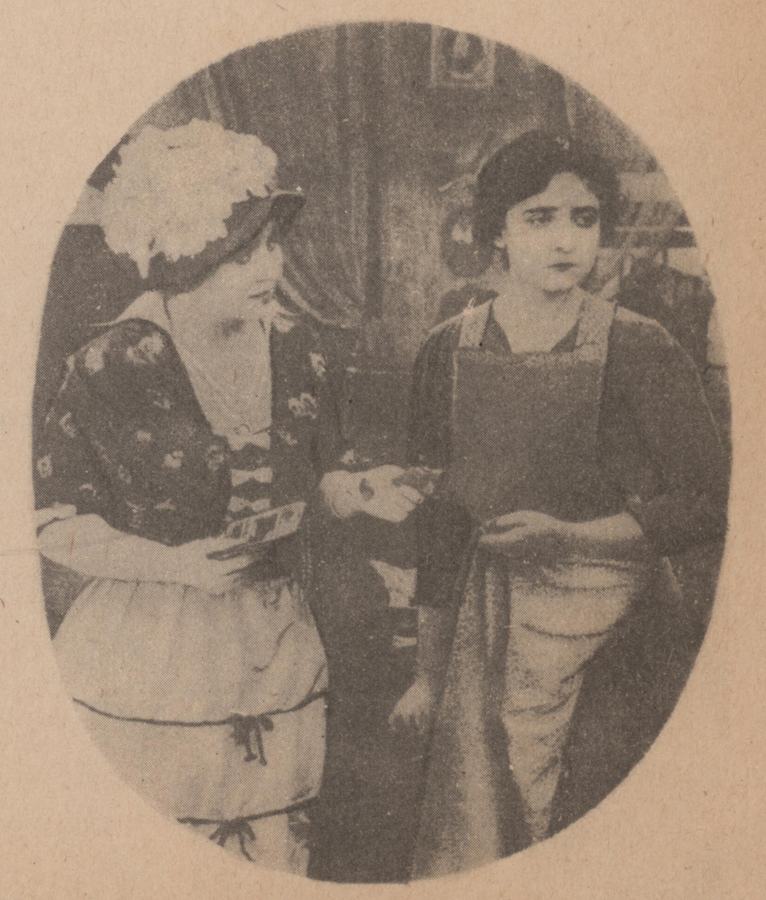
In the chiaroscuro of a Lower East Side tenement, two sisters orbit opposite suns: Ruth, content to solder her life to a grease-scented mechanic beneath a leaky skylight, and Helen, whose pupils reflect chandeliers she has never touched. Helen’s hunger is couture, champagne, applause; she slips the tenement noose to become the gilded plaything of silk-lined predator John Ward, trading the smell of coal stoves for Paris perfumes that still can’t mask the whiff of transaction. Years unspool like silk stockings—Helen ascending from magnate to magnate, each liaison a brighter-lit stage, each curtain call emptier, while Ruth scrubs diapers in a washtub yet somehow glows. When devoted James Kellerman kneels with a plain gold band, Helen laughs the laugh of a woman who mistakes sparkle for substance, then sails for Europe where mirrors grow more honest the older she gets. Returning creased and sidelined, she stalks back into Kellerman’s orbit only to find his gaze now resting on a shopgirl whose unpowdered innocence feels like a slap. In a cottage wallpapered with pressed flowers, Helen sees Ruth—still luminous in off-the-rack cotton, two children clinging like climbing roses—and the last pane of her delusion shatters. What follows is not redemption but a slow, narcotic dimming: amber liquor, bitter smoke, powders dissolved in crystal, until the final exhalation of a woman who tried to drink the world and found the cup bottomless.
Synopsis
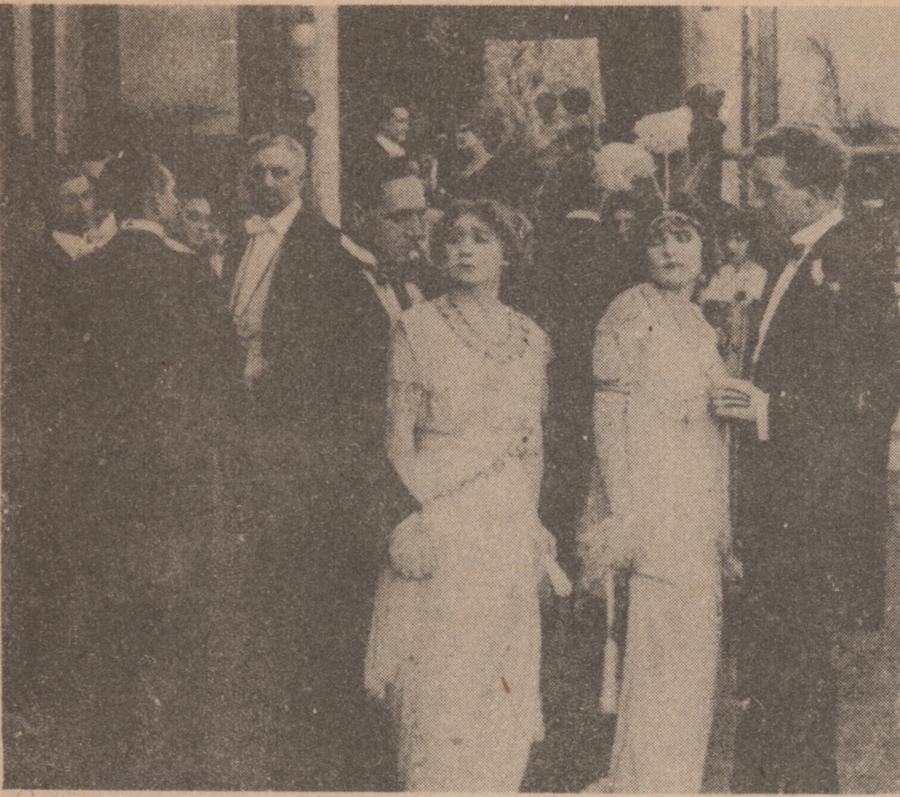
Sisters Helen and Ruth Fiske work in a department store and live in an East Side tenement. While Ruth is satisfied with her "regular fellow," a mechanic, Helen yearns for fine clothes, wealth, and attention. Ruth marries the mechanic and they struggle for a modest existence. Helen leaves her squalor to be the mistress of wealthy John Ward, despite Ruth's pleas. As the years pass, Helen goes from one man to the next, looking for more luxuries. When James Kellerman, who really loves her, proposes, she laughs at him. Finally, Helen returns from Europe embittered that she no longer commands the attention of men. She tries to win Kellerman back, but her phony coyness contrasts with the natural innocence of the woman he is about to marry. When Helen sees Ruth in her pretty cottage, with two children, and still in love, she despairs for her own future. Her subsequent suffering is eased only by alcohol, drugs and cigarettes--which hasten her death.
Review Excerpt
"
Imagine, if you can, a nickelodeon in 1915, its projector clacking like an impatient typewriter while a single cello scrapes a warning. Onscreen, the tenement windows yawn open like blackened mouths and out spills Helen Fiske—a name that will soon taste of ash—played by Louise Glaum with the feline languor of a woman who already knows the ending and has decided to enjoy the prologue anyway. Her silhouette, back-lit by a streetlamp’s sodium halo, is the first lie the film tells us: it promises g..."