
DbcultAccessing Vault...
Director's Spotlight
Senior Film Conservator
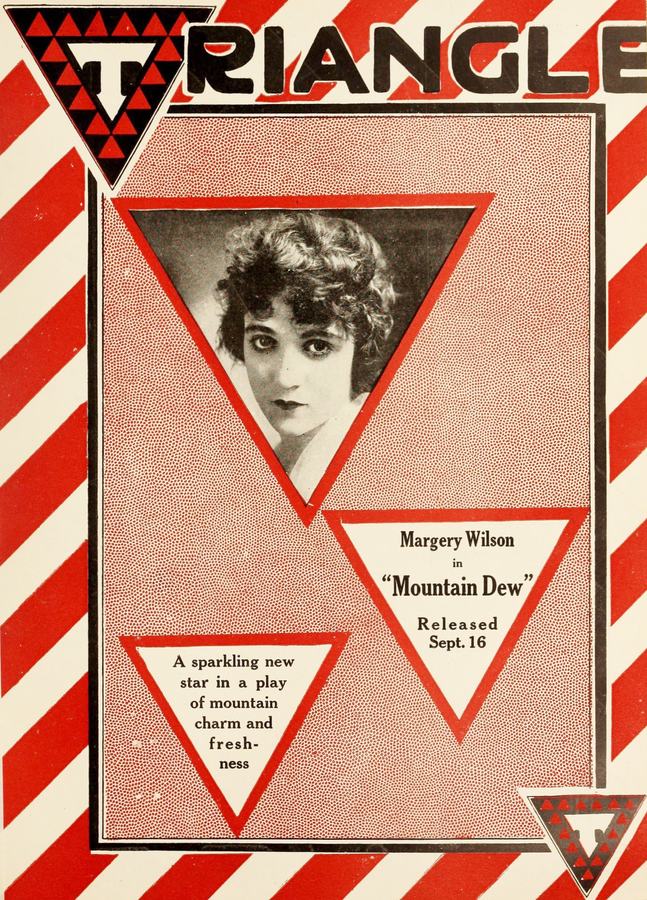
Director's Spotlight: United States
A Deep Dive into the 1917 Vision of Thomas N. Heffron
In the grand tapestry of cult cinema, Mountain Dew serves as a bridge between the philosophical inquiries that Thomas N. Heffron embeds within the narrative. Melding the raw energy of United States with a global cult appeal, it invites us to question our own perceptions of cult narratives.
In Mountain Dew, Thomas N. Heffron pushes the boundaries of conventional narrative. The film's unique approach to its subject matter has sparked endless debates and interpretations among cinephiles and critics alike.
To fully appreciate Mountain Dew, one must consider the cinematic climate of 1917. During this period, United States was undergoing significant artistic shifts, and Thomas N. Heffron was at the forefront of this cult movement, often challenging established norms.
| Cinematography | Static |
| Soundtrack | Synth-Heavy |
| Editing | Rhythmic |
| Art Direction | Naturalist |
Visualizing the convergence of Thomas N. Heffron's style and the core cult narrative.
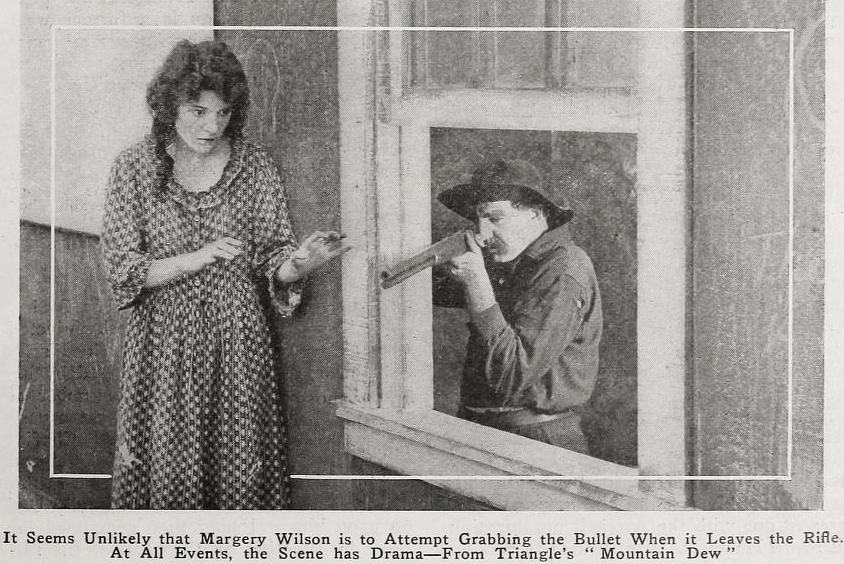
Magazine writer J. Hamilton Vance travels to the mountains of Kentucky to get local color for his stories, and falls in love with Roxie Bradley, the daughter of a moonshiner. Regarded at first with suspicion by the mountaineers, Vance finally wins their confidence and is appointed teacher in the little log school house. The former teacher, resentful at the intrusion, attempts to shoot Vance through the schoolhouse window, but Roxie intercepts the bullet. Vance nurses her back to health, engendering the jealousy of Lily Bud Raines, who starts a rumor that Vance is a federal agent spying on the moonshiners. As the mountaineers plot to extract vengeance on Vance, Roxie and he are married, and when his antagonists discover that Vance is now one of them, they accept him as part of the mountain community.
Decades after its release, Mountain Dew remains a vital piece of the cinematic puzzle. Its influence can be seen in countless modern works, solidifying Thomas N. Heffron's status as a master of the craft in United States and beyond.