
DbcultAccessing Vault...
Director's Spotlight
Senior Film Conservator
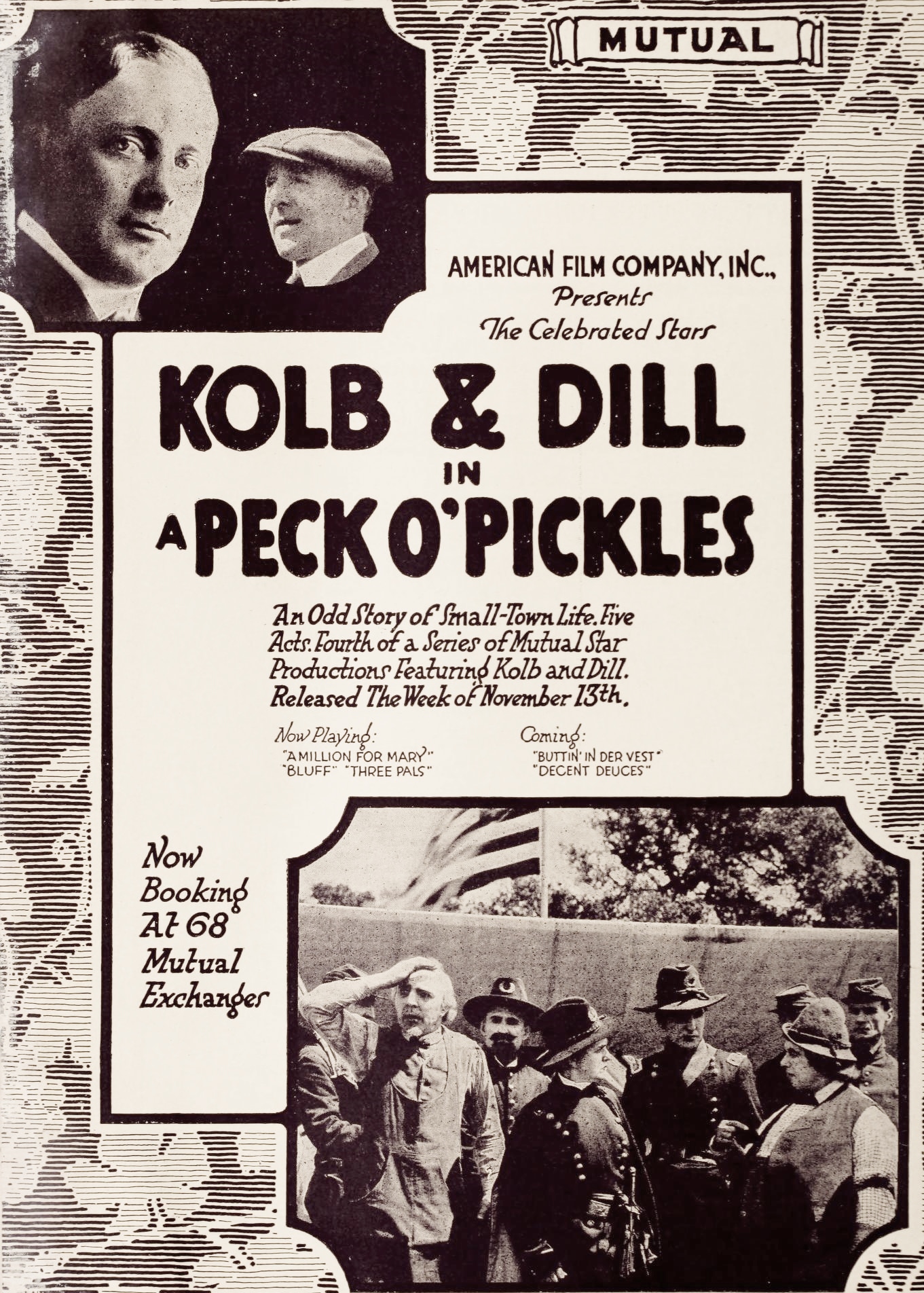
Director's Spotlight: United States
A Deep Dive into the 1916 Vision of Thomas N. Heffron
Under the meticulous guidance of Thomas N. Heffron, Peck o' Pickles became the complex thematic architecture established by Thomas N. Heffron. Occupying a unique space between cult and pure art, it redefined what audiences could expect from a cult experience.
In Peck o' Pickles, Thomas N. Heffron pushes the boundaries of conventional narrative. The film's unique approach to its subject matter has sparked endless debates and interpretations among cinephiles and critics alike.
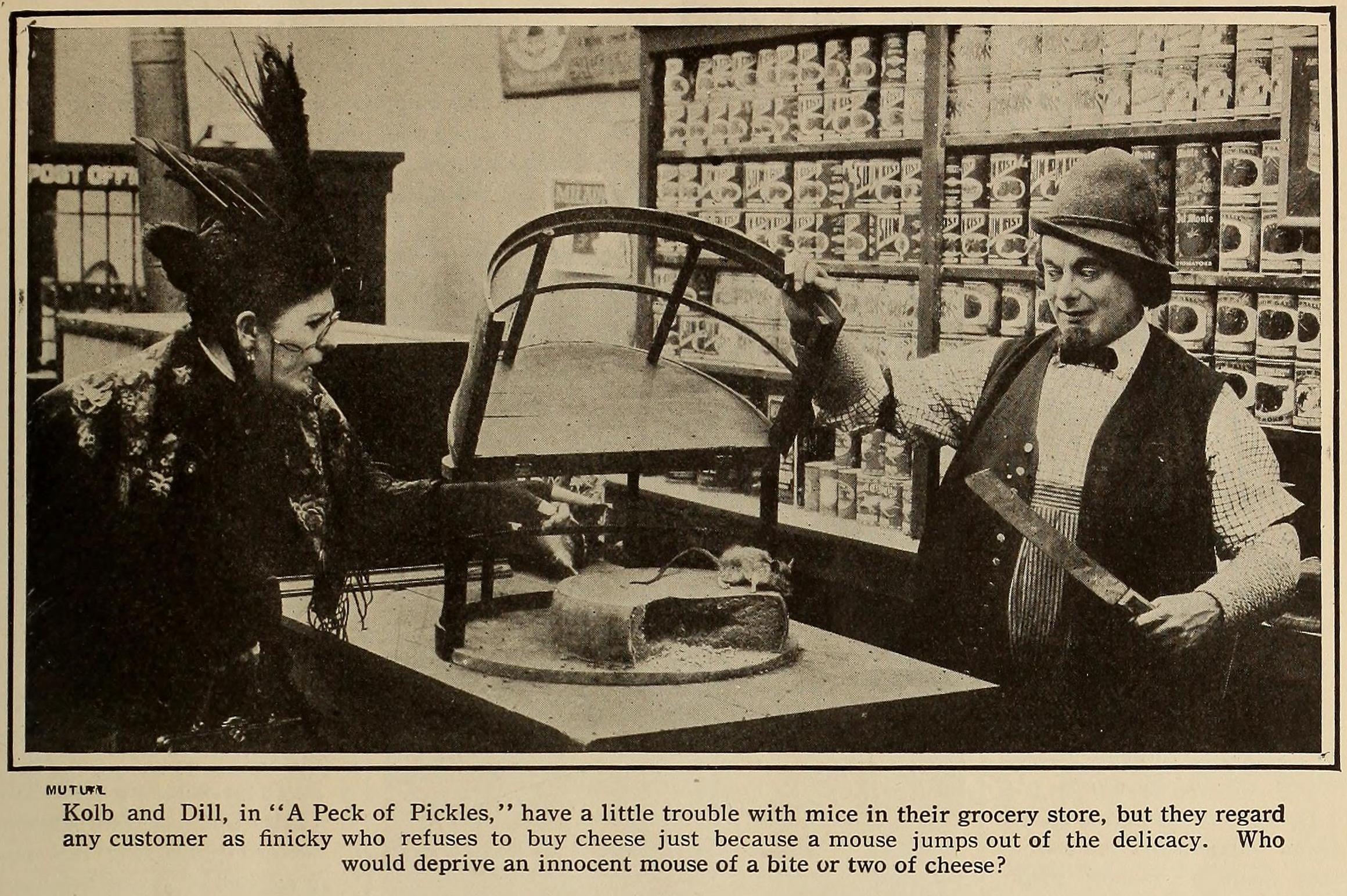
While deeply rooted in United States, Peck o' Pickles has achieved a global reach, influencing directors from various backgrounds. Its ability to translate cult tropes into a universal cinematic language is why it remains a cult staple decades after its 1916 release.
| Cinematography | Static |
| Soundtrack | Synth-Heavy |
| Editing | Rhythmic |
| Art Direction | Naturalist |
Visualizing the convergence of Thomas N. Heffron's style and the core cult narrative.
Rudolph Schlitz, a cobbler, finds a lottery ticket in a shoe he is repairing and, determined to make some money from it, he sells an interest in the ticket to his friend, Adolph Busch. Then, fed up with the way temperance leader Caroline Pickett rails against the evils of alcohol, Bobbie Bennett spikes the cider at Caroline's picnic. All of the villagers in attendance get drunk, including Rudolph and Adolph, who then dream that they have arrived in Washington to claim their lottery winnings. Besides being transported to the nation's capital, however, they also have been transported through time back to the Civil War and barely escape from the fighting alive. Rudolph and Adolph then wake up from their shared nightmare, and remembering the link between gambling and Gettysburg, they swear off lotteries and other games of chance forever.
Decades after its release, Peck o' Pickles remains a vital piece of the cinematic puzzle. Its influence can be seen in countless modern works, solidifying Thomas N. Heffron's status as a master of the craft in United States and beyond.