
DbcultAccessing Vault...
Director's Spotlight
Senior Film Conservator
Director's Spotlight: United States
A Deep Dive into the 1917 Vision of Thomas N. Heffron
Analyzing The Stainless Barrier (1917) requires a deep dive into the unique directorial voice that Thomas N. Heffron brought to the screen. By challenging the status quo of 1917 cinema, it continues to spark endless debates among critics and cinephiles alike.
In The Stainless Barrier, Thomas N. Heffron pushes the boundaries of conventional narrative. The film's unique approach to its subject matter has sparked endless debates and interpretations among cinephiles and critics alike.
| Cinematography | Handheld |
| Soundtrack | Orchestral |
| Editing | Invisible |
| Art Direction | Kitsch |
Visualizing the convergence of Thomas N. Heffron's style and the core cult narrative.
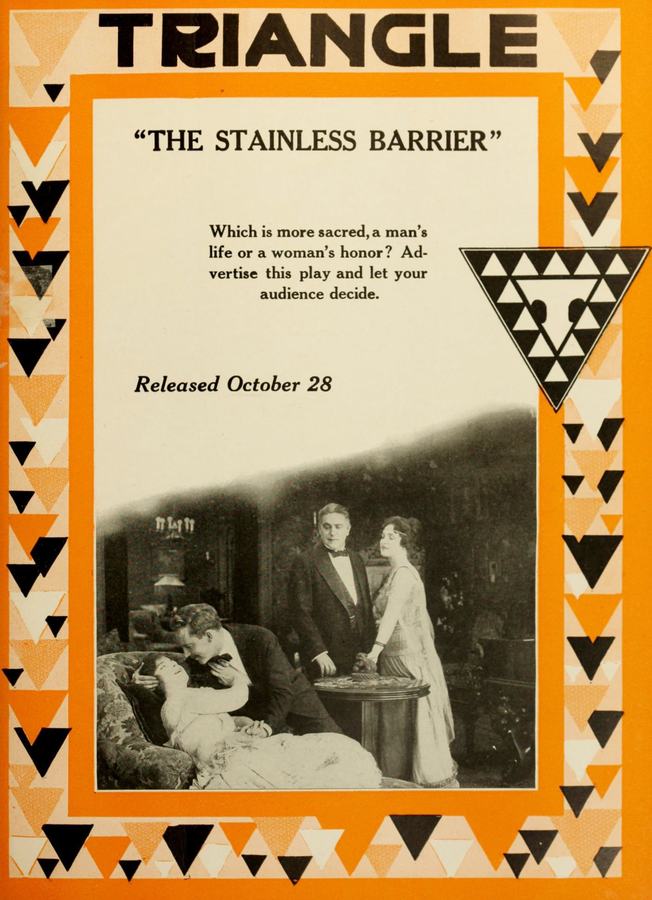
Betsy Shelton, an orphan since early childhood, lives in Myrtleville with her aunt, and is engaged to marry Calvin Stone, a young lawyer. Betsy's brother, Dick, ostensibly working in New York to recover the family fortune, becomes involved with one Roger Enderleigh, a shyster promoter, who because of crooked dealings, is forced to flee from the postal authorities. He induces Dick to take him to Myrtleville, where Dick introduces Enderleigh as a prosperous banker promoting a munition plant, thus swindling the townsmen. The visit terminates in a vivid climax when the postal authorities track Enderleigh, who prepares to flee leaving Dick to bear the brunt. Dick kills Enderleigh and then asks for mercy on the plea that Enderleigh has ruined Betsy. Stone, true to the code of Southern chivalry, does not lose faith in his fiancée, and in the closing scenes of this photodrama, restores her good name and brings her erring brother to punishment.
Decades after its release, The Stainless Barrier remains a vital piece of the cinematic puzzle. Its influence can be seen in countless modern works, solidifying Thomas N. Heffron's status as a master of the craft in United States and beyond.