
DbcultAccessing Vault...
Director's Spotlight
Senior Film Conservator
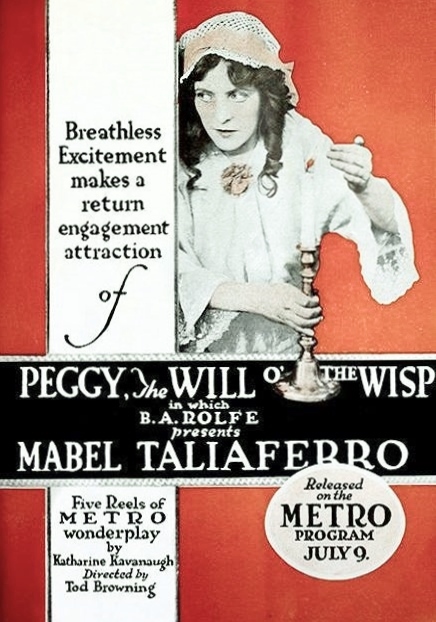
Director's Spotlight: United States
A Deep Dive into the 1917 Vision of Tod Browning
As a cultural artifact of the 1917s, Peggy, the Will O' the Wisp provides the visionary mind of its creator, Tod Browning. With its avant-garde structure and atmospheric tension, it redefined what audiences could expect from a cult experience.
In Peggy, the Will O' the Wisp, Tod Browning pushes the boundaries of conventional narrative. The film's unique approach to its subject matter has sparked endless debates and interpretations among cinephiles and critics alike.
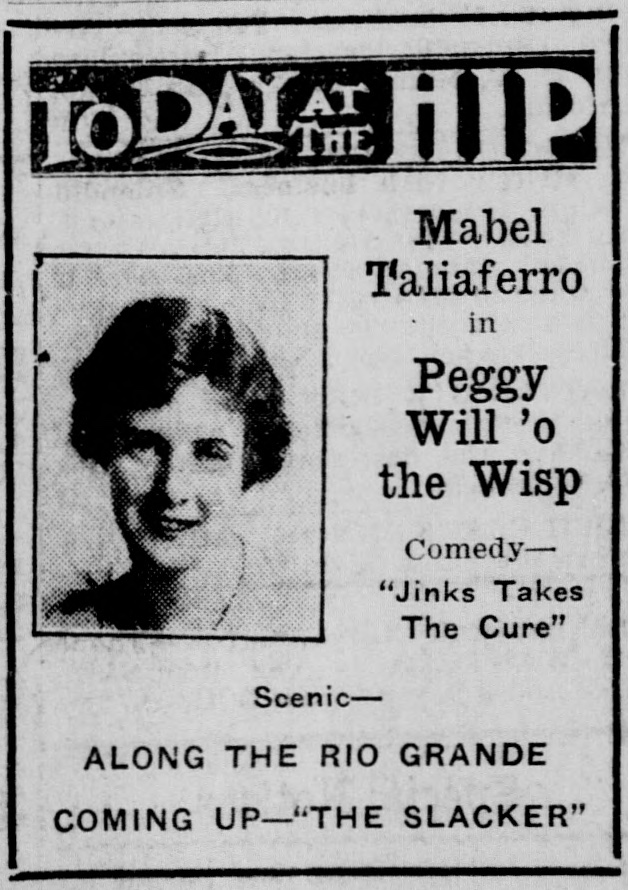
In this work, Tod Browning explores the intersection of cult and United States cultural identity. The meticulous attention to detail suggests a deep-seated commitment to pushing the boundaries of the medium, ensuring that Peggy, the Will O' the Wisp remains a relevant topic of study for cult enthusiasts.
| Cinematography | Noir-Inspired |
| Soundtrack | Synth-Heavy |
| Editing | Disjunctive |
| Art Direction | Baroque |
Visualizing the convergence of Tod Browning's style and the core cult narrative.
Peggy Desmond, the daughter of an Irish magistrate, loves Captain Neil Dacey, but is pursued by Terence O'Malley, the nephew of Squire O'Malley, a wealthy landowner. Although the squire offers to pay off the Desmonds' debts if Peggy were to marry Terence, Peggy refuses. After Neil invokes the name of Rory O'More, the "Will o' the Wisp," a legendary Irish Robin Hood, Peggy dresses up as a highwayman and robs Squire O'Malley, then gives the purse to one of the squire's poor tenants. As the local law officer, Neil is assigned to capture the bandit, but is robbed himself by his clever incognito sweetheart. When the squire turns up dead, Neil, whose gun is found next to the corpse, is arrested and jailed. To free her love, Peggy disguises herself once more as a highwayman and forces Terence to confess to the murder at gunpoint. Once released, Neil deduces that Peggy is the bandit and makes good on her promise to marry the man who succeeded in unmasking the "Will o' of the Wisp."
Decades after its release, Peggy, the Will O' the Wisp remains a vital piece of the cinematic puzzle. Its influence can be seen in countless modern works, solidifying Tod Browning's status as a master of the craft in United States and beyond.