
DbcultAccessing Vault...
Director's Spotlight
Senior Film Conservator
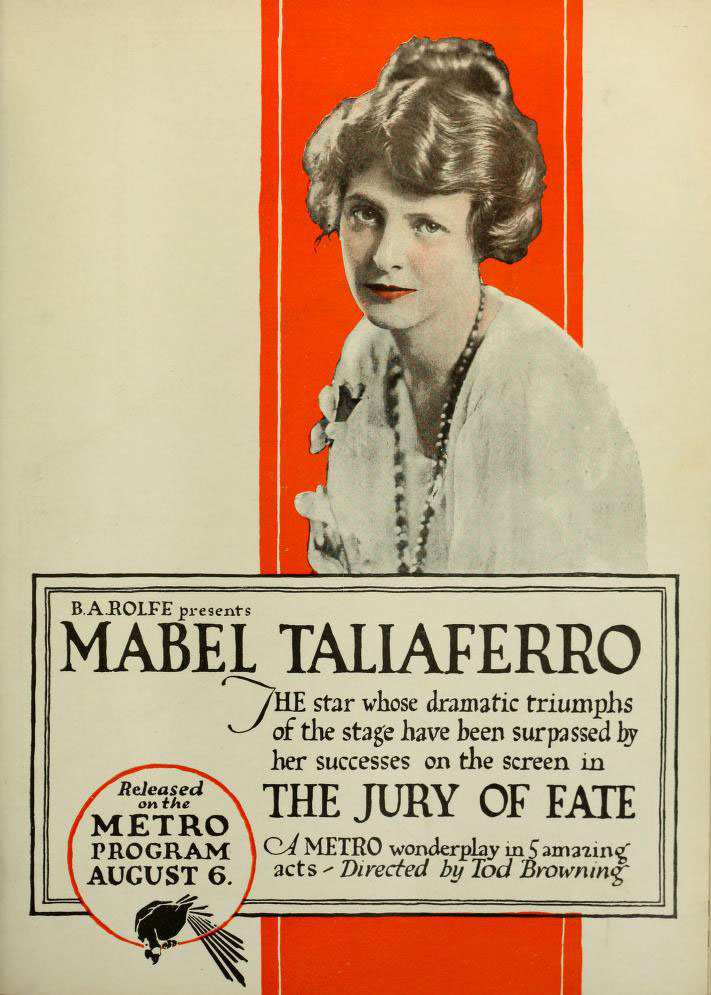
Director's Spotlight: United States
A Deep Dive into the 1917 Vision of Tod Browning
Peeling back the layers of Tod Browning's The Jury of Fate exposes the technical innovation that Tod Browning introduced to the cult format. Driven by an uncompromising commitment to cult excellence, it stands as the definitive 1917 statement on cult identity.
In The Jury of Fate, Tod Browning pushes the boundaries of conventional narrative. The film's unique approach to its subject matter has sparked endless debates and interpretations among cinephiles and critics alike.
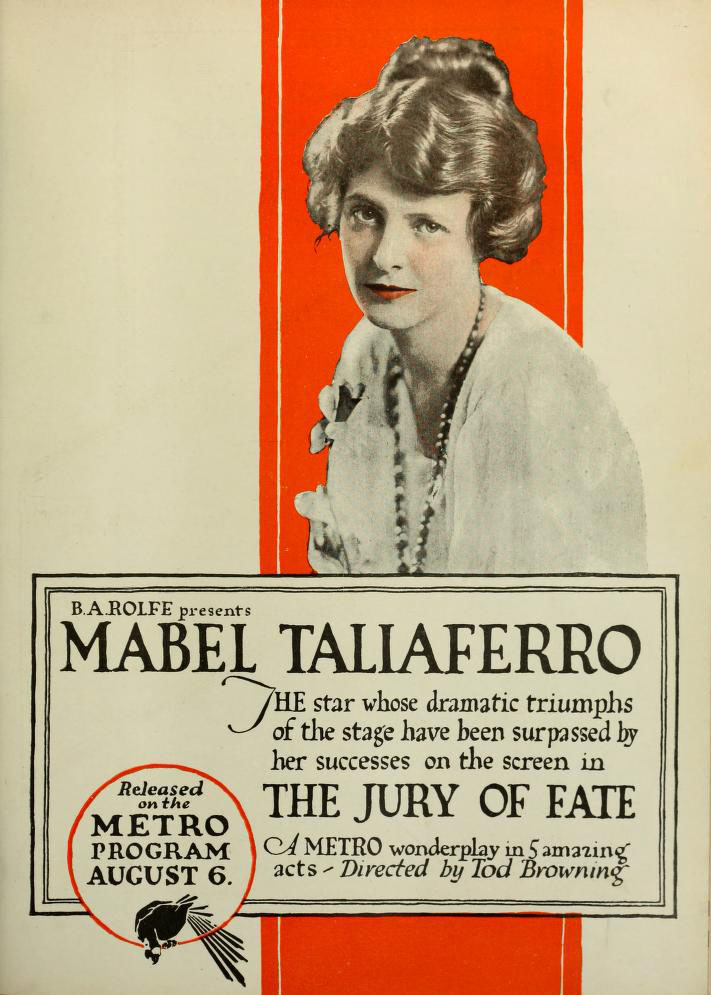
In this work, Tod Browning explores the intersection of cult and United States cultural identity. The meticulous attention to detail suggests a deep-seated commitment to pushing the boundaries of the medium, ensuring that The Jury of Fate remains a relevant topic of study for cult enthusiasts.
| Cinematography | Handheld |
| Soundtrack | Minimalist |
| Editing | Disjunctive |
| Art Direction | Baroque |
Visualizing the convergence of Tod Browning's style and the core cult narrative.
Henri Labordie's wife dies after giving birth to twin children, Jacques and Jeanne. Before he takes the children to the Canadian woods to live he makes an agreement with his friend Duval Hebert that when Jeanne is old enough she shall marry Hebert's son Louis. In their new home Labordie lavishes all his affection on Jacques, a weak and sickly youth. Francois, a half-breed, worships Jeanne as she grows up to winsome womanhood. Donald Duncan, a government surveyor, meets Jeanne. He becomes infatuated with her, and she with him. Jacques tells his father, now totally blind, and Labordie forbids Jeanne to see Duncan. Love finds a way, however, and Jeanne promises to wed Duncan when he has completed his work for the government. Jacques, who has injured his hand, persuades Jeanne to take him canoeing in the St. Lawrence. Francois sees the canoe upset. He saves Jeanne, but her brother is drowned. Jeanne has been warned that any great shock would kill her father, and so the girl cuts off her hair and tells her father that Jeanne is dead and that she is Jacques. When Duncan returns for his bride he is told of the death of Jeanne. On his deathbed Labordie asks Jeanne, whom he believes is Jacques, to go to Montreal to Duval Hebert, and resuming her own dress and name she does so. Hebert tells Jeanne that it was her father's wish that she marry his son Louis, a dissipated youth. She is horror-stricken, but to keep her father's vow consents that the marriage be celebrated after Louis' returns from the North where he has gone to settle a question concerning his father's land. In the north woods Louis meets Duncan, who is working for the Hebert firm, and when the young man quarrels with a guide, Duncan saves his life. Young Hebert insists that the surveyor return to Montreal and receive the thanks of his father and fiancée. Duncan accepts the invitation and he and Jeanne meet again. At first he believes that Jeanne tricked him, but when he has learned the truth, Duncan takes the unhappy girl in his arms and tells her again of his love. Louis, half intoxicated, sees them and insults Jeanne. Francois resents the affront to his idol, and throws Louis out of the room. Louis tries to get at the half-breed, but falls over the banisters and is killed. Not knowing this, Duncan goes away, fearing to cause Jeanne trouble. Months later, once again in the north woods, Francois is surprised to see Duncan riding toward him. The young surveyor asks whether Louis and Jeanne are happy in their marriage. By remaining silent, Francois might keep Jeanne and Duncan from meeting, and perhaps in time win her for himself. But his love for her is so sincere that he prefers her happiness to his own, and Jeanne and Duncan are reunited in the northern woods where they first met.
Decades after its release, The Jury of Fate remains a vital piece of the cinematic puzzle. Its influence can be seen in countless modern works, solidifying Tod Browning's status as a master of the craft in United States and beyond.