
DbcultAccessing Vault...
Director's Spotlight
Senior Film Conservator
Director's Spotlight: United States
A Deep Dive into the 1918 Vision of Tod Browning
Peeling back the layers of Tod Browning's The Legion of Death exposes the collaborative alchemy between Tod Browning and the 1918 creative team. Anchored by a narrative that is both personal and universal, it reinforces the idea that cinema is a medium of infinite possibilities.
In The Legion of Death, Tod Browning pushes the boundaries of conventional narrative. The film's unique approach to its subject matter has sparked endless debates and interpretations among cinephiles and critics alike.
To fully appreciate The Legion of Death, one must consider the cinematic climate of 1918. During this period, United States was undergoing significant artistic shifts, and Tod Browning was at the forefront of this cult movement, often challenging established norms.
| Cinematography | Static |
| Soundtrack | Synth-Heavy |
| Editing | Rhythmic |
| Art Direction | Naturalist |
Visualizing the convergence of Tod Browning's style and the core cult narrative.
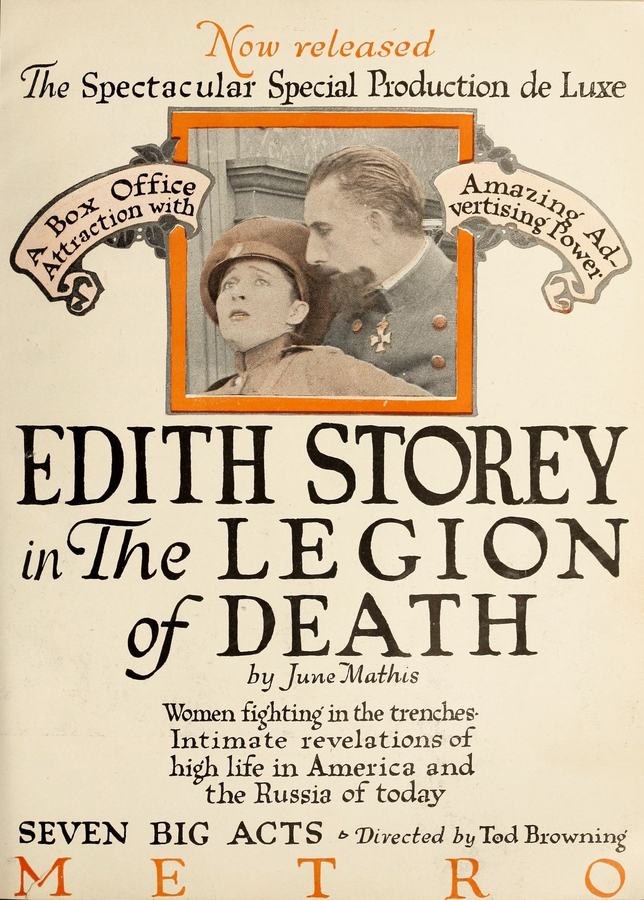
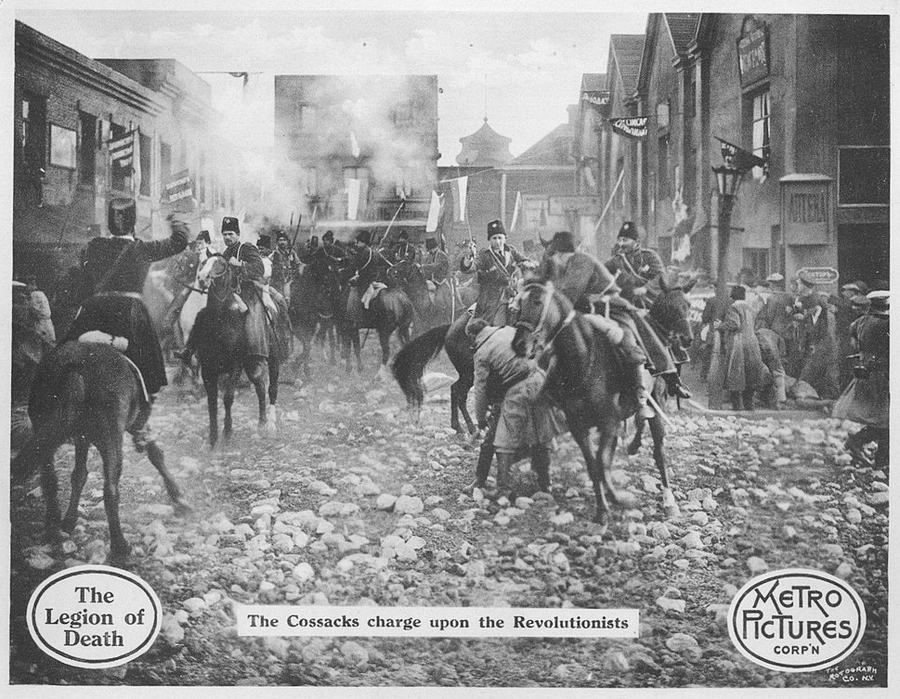
Princess Marya and her brother, the Grand Duke Paul of Russia, are studying in the U.S. when word reaches them that Rasputin is to be killed. Paul is seized by Russian secret service men, but through Marya's appeal to Captain Rodney Willard, he is released. In Russia, Marya participates actively in the Revolution, while Willard, with whom she has fallen in love, joins the Allied Commission. Deeply troubled by the influence of German agents in Russia, Marya organizes the Legion of Death, a fighting unit of peasant women, and leads them into battle against the Germans. The legion suffers defeat and Marya is captured, but in the end, she wins her freedom.
Decades after its release, The Legion of Death remains a vital piece of the cinematic puzzle. Its influence can be seen in countless modern works, solidifying Tod Browning's status as a master of the craft in United States and beyond.