
DbcultAccessing Vault...
Director's Spotlight
Senior Film Conservator
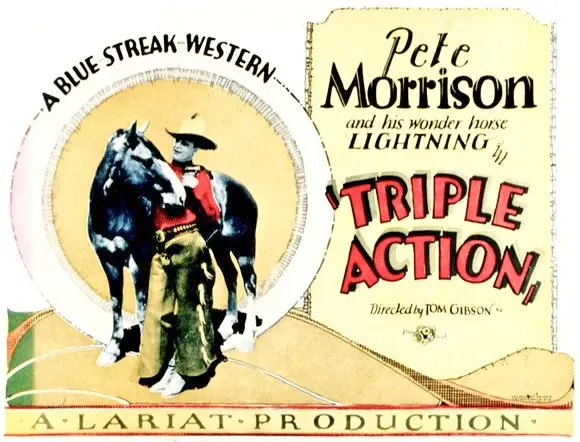
Director's Spotlight: United States
A Deep Dive into the 1925 Vision of Tom Gibson
The Drama DNA of Triple Action is a reflection of United States's the historical context that Tom Gibson weaves into the Drama fabric. Challenging the viewer to find meaning in the Drama shadows, it transcends regional boundaries to tell a universal story.
In Triple Action, Tom Gibson pushes the boundaries of conventional narrative. The film's unique approach to its subject matter has sparked endless debates and interpretations among cinephiles and critics alike.
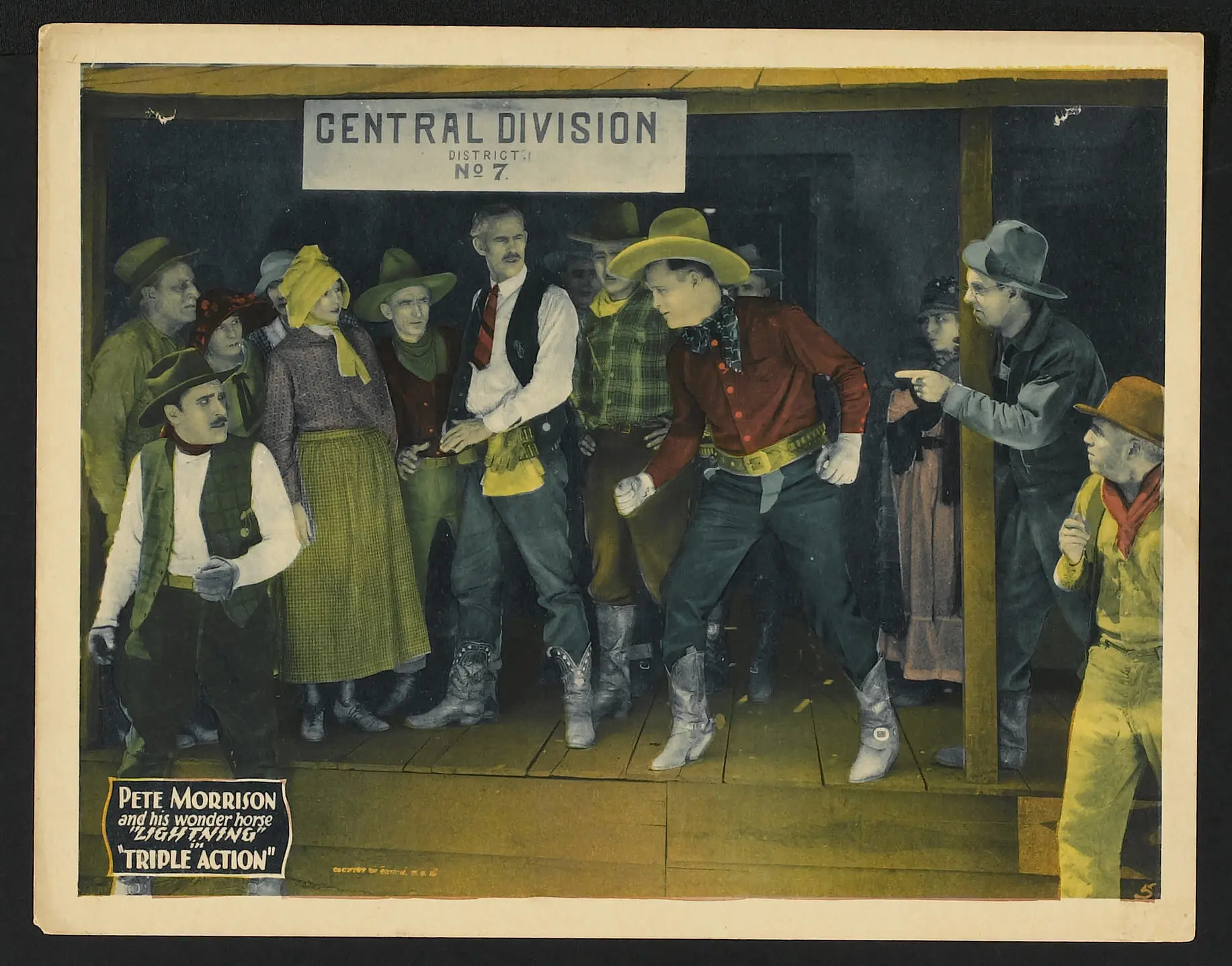
While deeply rooted in United States, Triple Action has achieved a global reach, influencing directors from various backgrounds. Its ability to translate Drama tropes into a universal cinematic language is why it remains a cult staple decades after its 1925 release.
| Cinematography | Handheld |
| Soundtrack | Diegetic |
| Editing | Elliptical |
| Art Direction | Expressionist |
Visualizing the convergence of Tom Gibson's style and the core Drama narrative.
Deputy ranger Dave Mannion is expelled from the force for allowing the notorious Braxton gang to drive diseased cattle past his border patrol. He suspects Eric Prang of being a spy for the gang and sets out to prove it. However, when Dave discovers a herd of the infected cattle, he is shot by Blackie Braxton, who sends the herd and his men to a hacienda run by unsuspecting Don Pío Méndez. Donna, Méndez's daughter, finds the injured Dave and summons his fellow rangers. Prang lures Doris Clayton, Dave's sweetheart, to the hacienda and holds her captive. With the aid of Doris' aviator brother, Dick, Dave parachutes into the hacienda and single-handedly defeats the gang, after which he is reinstated as a ranger.
Decades after its release, Triple Action remains a vital piece of the cinematic puzzle. Its influence can be seen in countless modern works, solidifying Tom Gibson's status as a master of the craft in United States and beyond.