
DbcultAccessing Vault...
Director's Spotlight
Senior Film Conservator
Director's Spotlight: United States
A Deep Dive into the 1919 Vision of Tom Ricketts
Witnessing the stylistic transformation of cult through Secret Marriage reveals the provocative questions that Tom Ricketts poses to the United States audience. Exploring the nuances of the human condition with cult flair, it showcases the power of cult as a tool for social commentary.
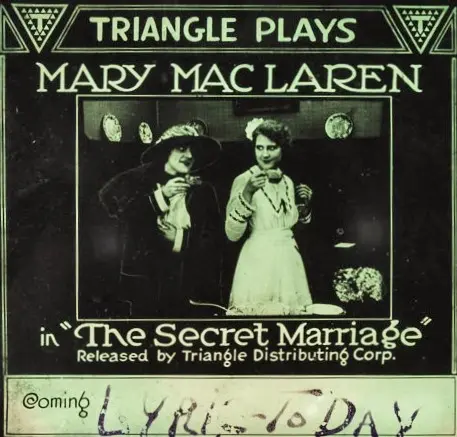
In Secret Marriage, Tom Ricketts pushes the boundaries of conventional narrative. The film's unique approach to its subject matter has sparked endless debates and interpretations among cinephiles and critics alike.
| Cinematography | Noir-Inspired |
| Soundtrack | Orchestral |
| Editing | Slow-Burn |
| Art Direction | Brutalist |
Visualizing the convergence of Tom Ricketts's style and the core cult narrative.
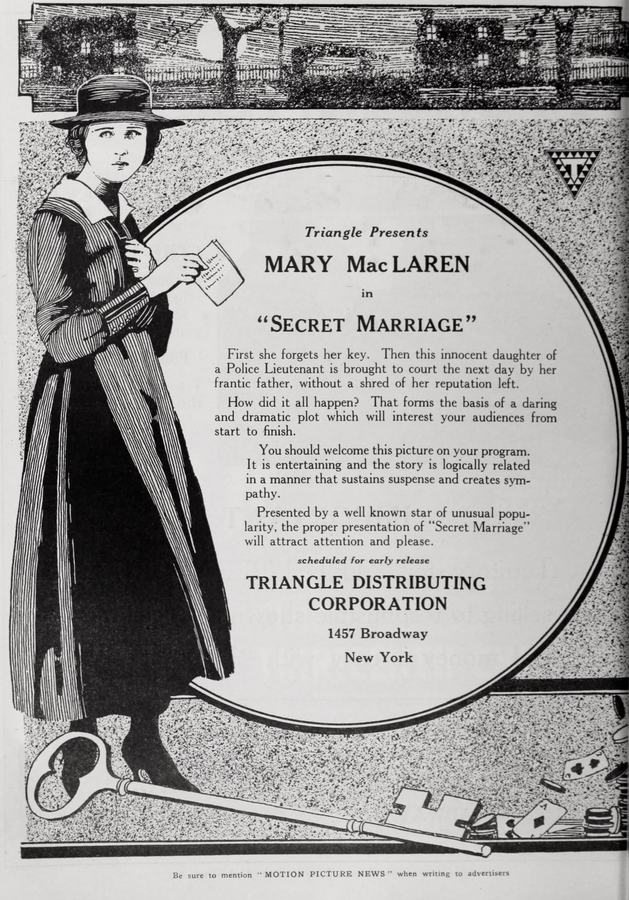
Daughter of a small town police lieutenant, Mary MacLaren tells her story while on the witness stand for drunkenness and attempted suicide. Mary's friend Helen, the daughter of the police captain, persuades Mary to do things against her better judgment. After Mary inadvertently sips spiked punch, she puts the house key in her coat pocket and then loans the coat to a friend who decides to get married at once. The coat is not returned, and without her key, Mary stays out all night. She is caught by the police, led by her father, in a hotel room with a man. Finally, Mary manages to unravel the chain of circumstantial evidence that had threatened her good reputation.
Decades after its release, Secret Marriage remains a vital piece of the cinematic puzzle. Its influence can be seen in countless modern works, solidifying Tom Ricketts's status as a master of the craft in United States and beyond.