
DbcultAccessing Vault...
Director's Spotlight
Senior Film Conservator
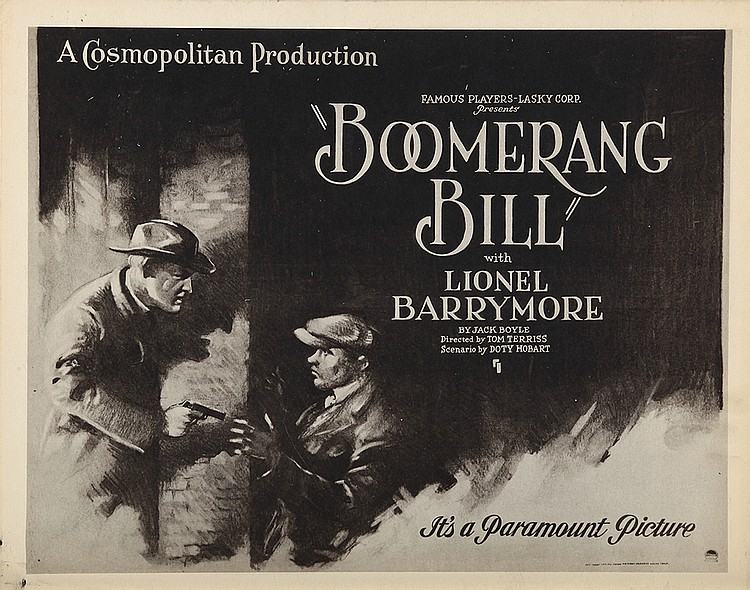
Director's Spotlight: United States
A Deep Dive into the 1922 Vision of Tom Terriss
Deciphering the layers of Boomerang Bill (1922) reveals a monumental shift in Crime filmmaking spearheaded by Tom Terriss. With its avant-garde structure and atmospheric tension, offering layers of thematic complexity that demand repeated viewing.
In Boomerang Bill, Tom Terriss pushes the boundaries of conventional narrative. The film's unique approach to its subject matter has sparked endless debates and interpretations among cinephiles and critics alike.
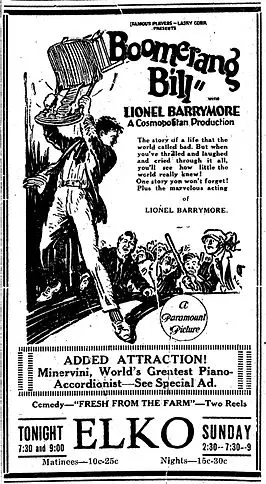
To fully appreciate Boomerang Bill, one must consider the cinematic climate of 1922. During this period, United States was undergoing significant artistic shifts, and Tom Terriss was at the forefront of this Crime movement, often challenging established norms.
| Cinematography | High-Contrast |
| Soundtrack | Experimental |
| Editing | Elliptical |
| Art Direction | Expressionist |
Visualizing the convergence of Tom Terriss's style and the core Crime narrative.
When New York City police officer O'Malley learns of a young man who is about to embark on a life of crime by taking part in a robbery, he takes the boy aside and tells him the story of Boomerang Bill, another wanna-be gangster who wanted to be a big shot in the New York crime scene. It seems that Bill fell for a pretty young dance-hall girl, and went up against local gang boss Tony the Wop when he insulted her. Tony, who never forgot a slight, found a way to make things very, very tough for Boomerang Bill, in a way that he never saw coming.
Decades after its release, Boomerang Bill remains a vital piece of the cinematic puzzle. Its influence can be seen in countless modern works, solidifying Tom Terriss's status as a master of the craft in United States and beyond.