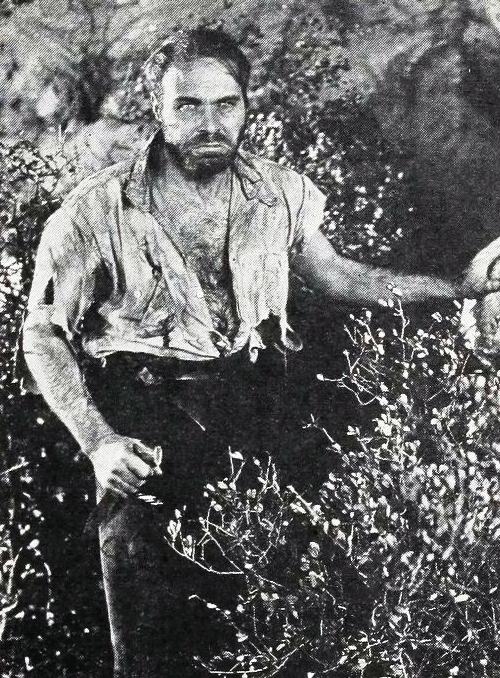
When New York City police officer O'Malley learns of a young man who is about to embark on a life of crime by taking part in a robbery, he takes the boy aside and tells him the story of Boomerang Bill, another wanna-be gangster who wanted to be a big shot in the New York crime scene. It seems that Bill fell for a pretty young dance-hall girl, and went up against local gang boss Tony the Wop when he insulted her.
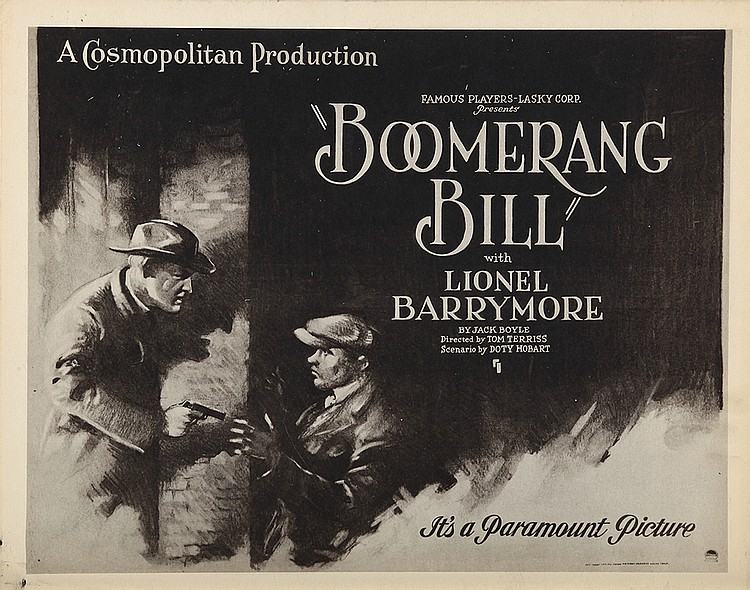
If celluloid could bruise, Boomerang Bill would leave your retina purple for days. Shot on the cusp of Prohibition when Manhattan’s arteries still pulsed with ragtime and rotten promises, this 1922 programmer behaves less like polite nickelodeon filler and more like a switchblade pressed against the city’s throat. The...
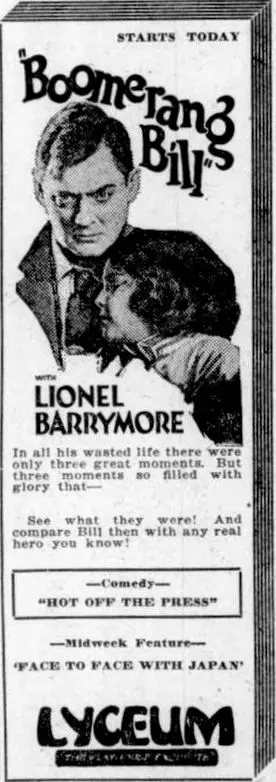
production_art
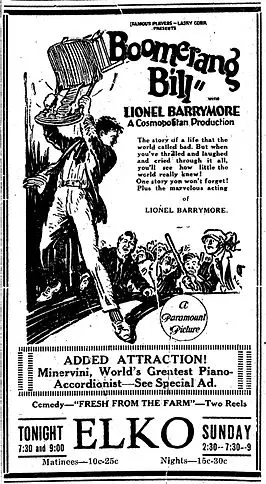
production_art
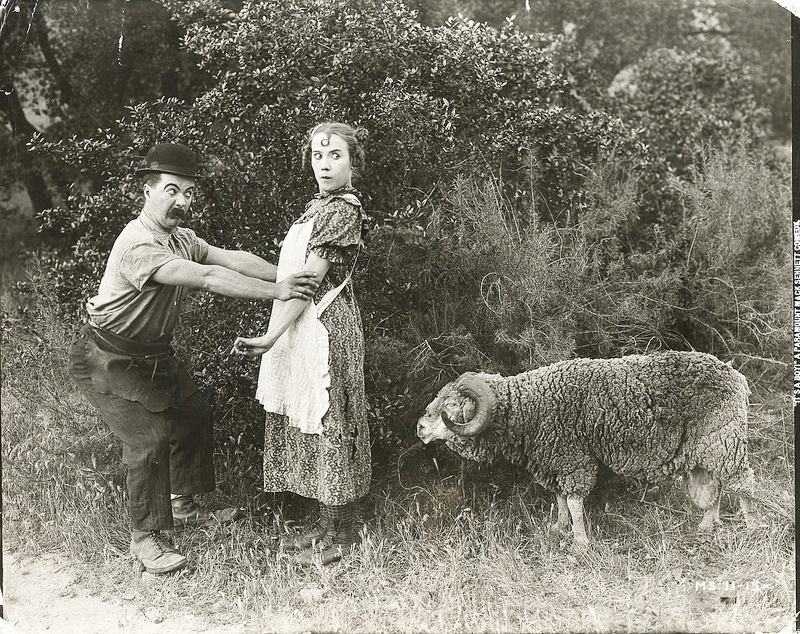
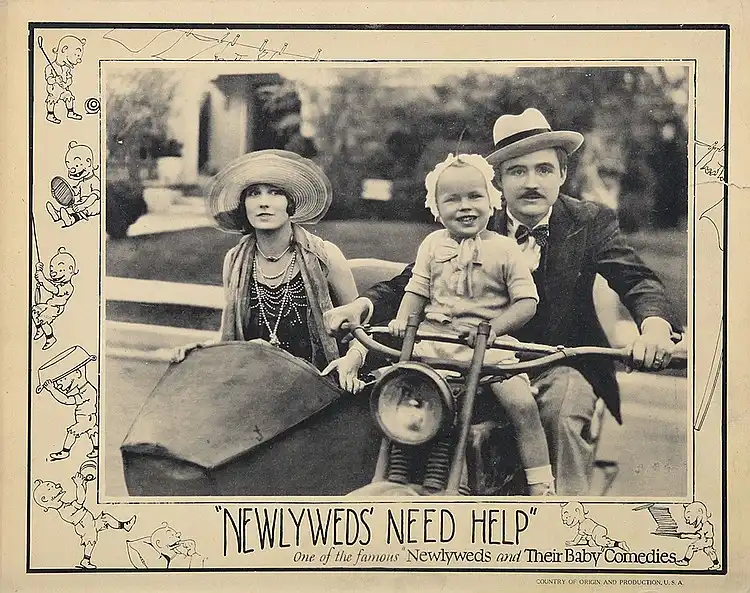
Comparing the cinematic DNA and archive impact of two defining moments in cult history.
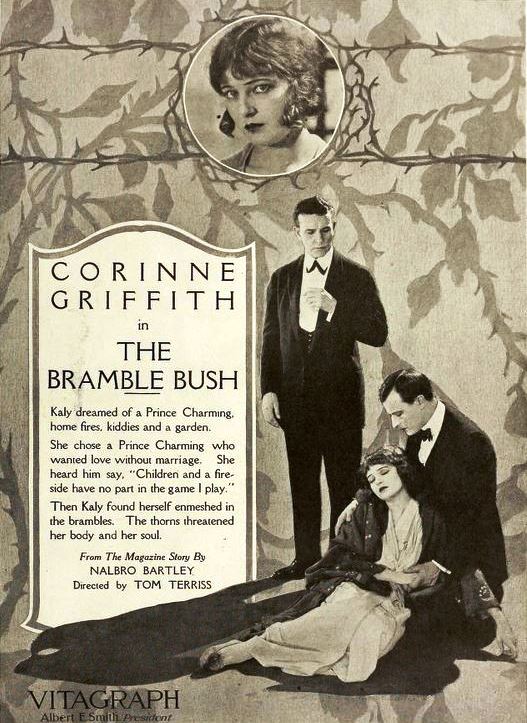
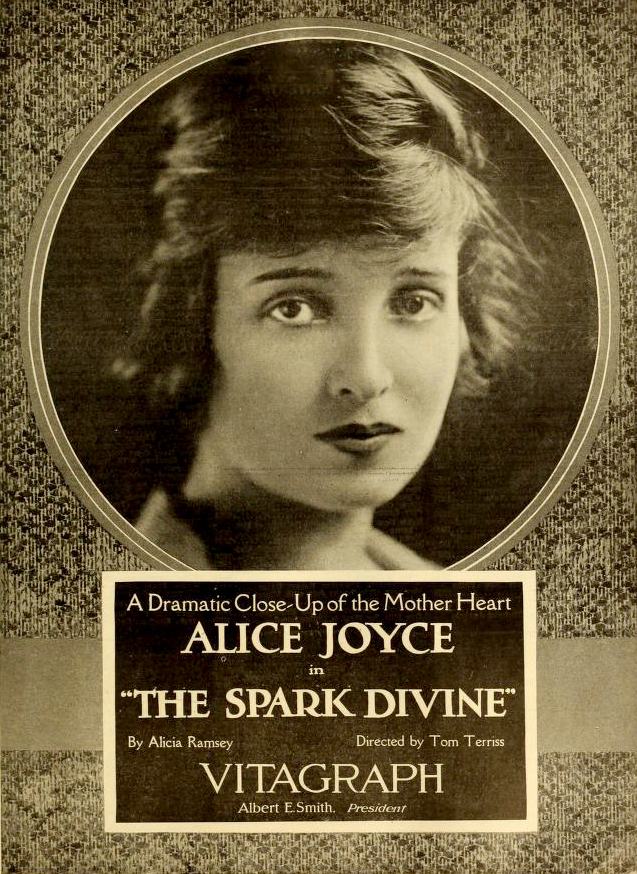
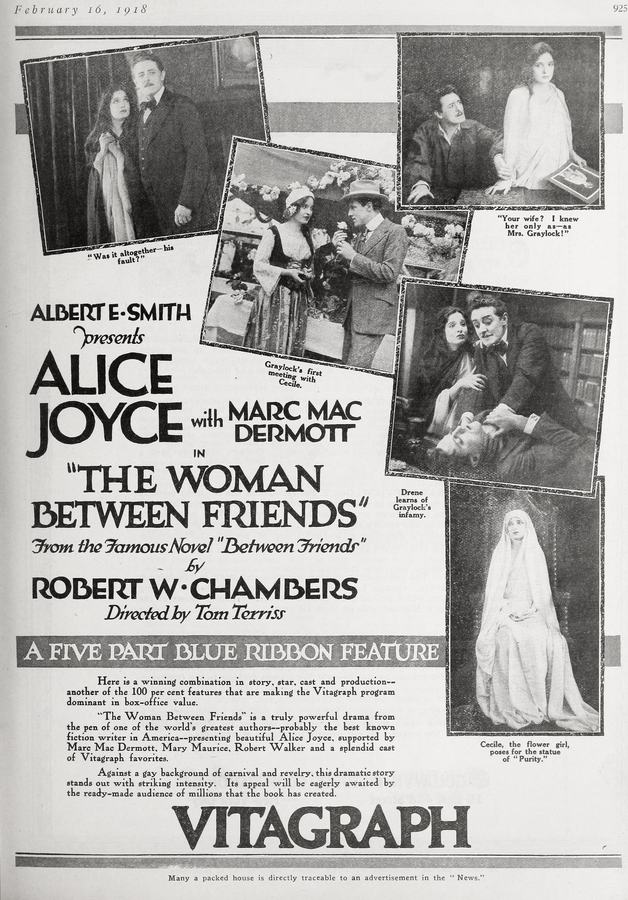
Tom Terriss
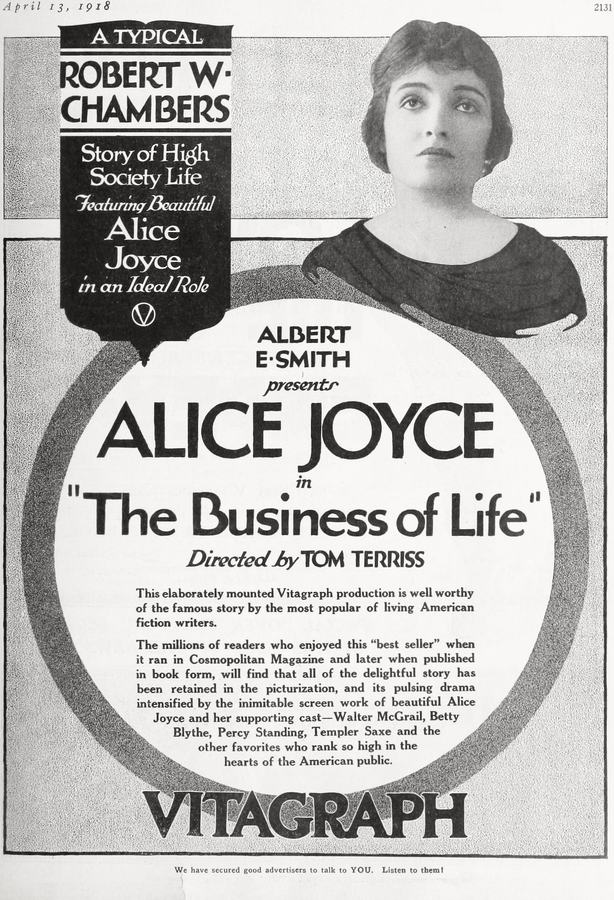
Tom Terriss
Community
Log in to comment.
" If celluloid could bruise, Boomerang Bill would leave your retina purple for days. Shot on the cusp of Prohibition when Manhattan’s arteries still pulsed with ragtime and rotten promises, this 1922 programmer behaves less like polite nickelodeon filler and more like a switchblade pressed against the city’s throat. The film survives only in abbreviated 16 mm dupes—gate-hops, emulsion rot, a soundtrack of phantom piano—but the venom inside its frames remains 98-proof. A Story That Whips Bac..."
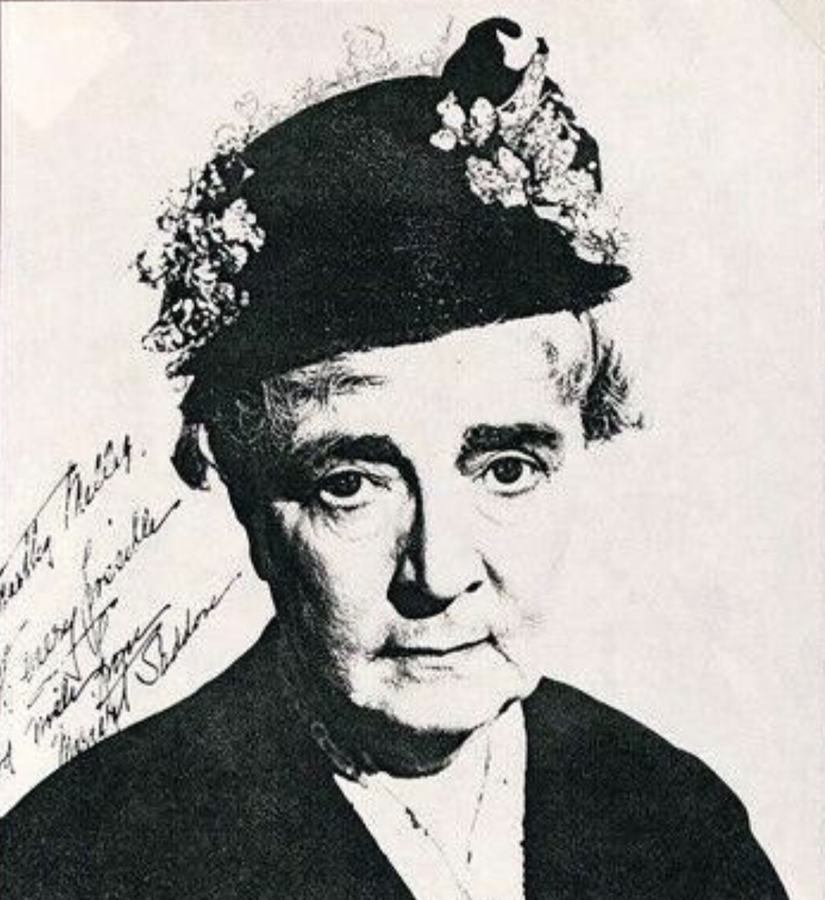
Margaret Seddon
Doty Hobart, Jack Boyle
United States