
DbcultAccessing Vault...
Director's Spotlight
Senior Film Conservator
Director's Spotlight: United States
A Deep Dive into the 1925 Vision of Tom Terriss
Deciphering the layers of His Buddy's Wife (1925) reveals the complex thematic architecture established by Tom Terriss. Utilizing a 1925-specific aesthetic that remains timeless, it stands as the definitive 1925 statement on Drama identity.
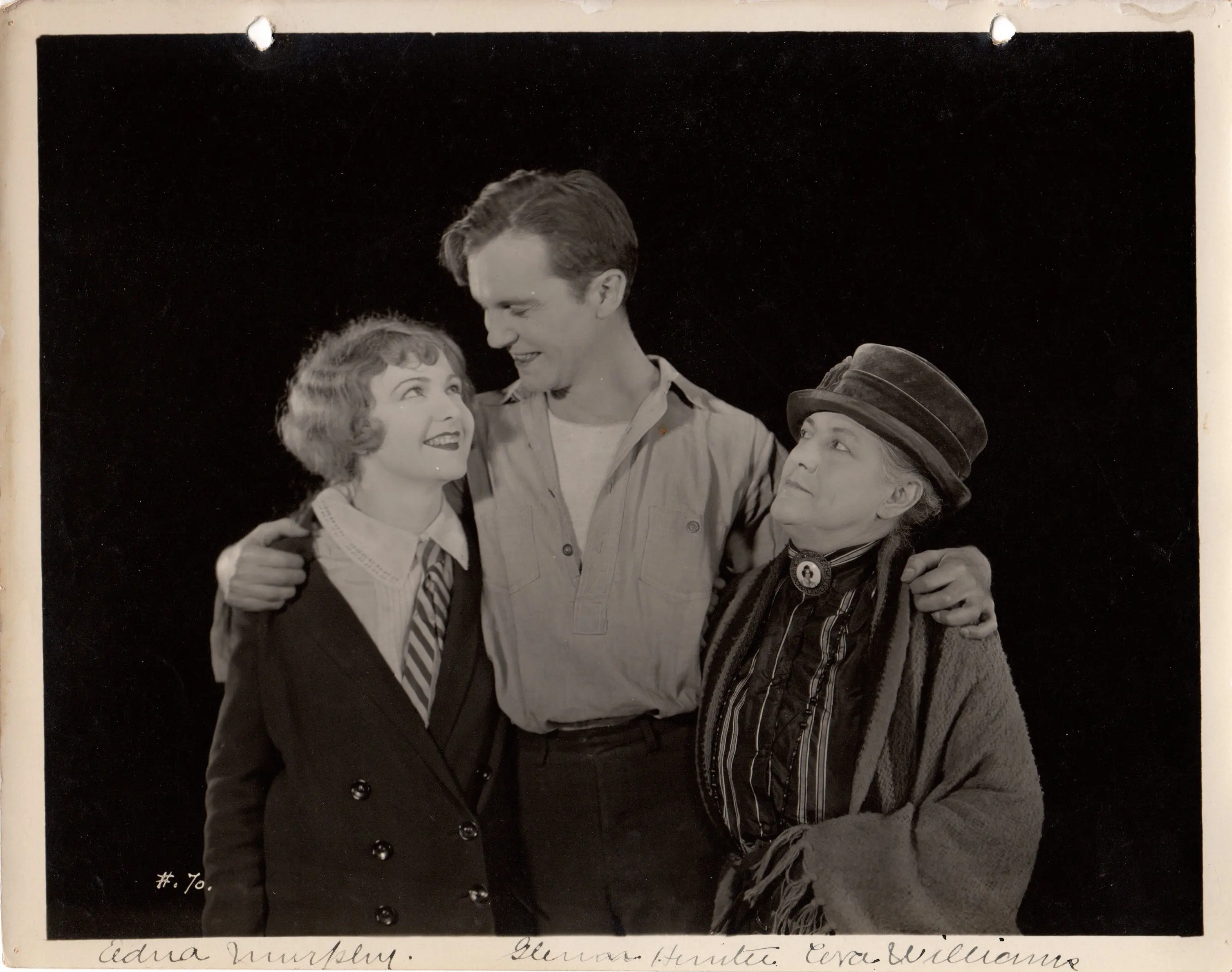
In His Buddy's Wife, Tom Terriss pushes the boundaries of conventional narrative. The film's unique approach to its subject matter has sparked endless debates and interpretations among cinephiles and critics alike.
| Cinematography | Noir-Inspired |
| Soundtrack | Orchestral |
| Editing | Invisible |
| Art Direction | Kitsch |
Visualizing the convergence of Tom Terriss's style and the core Drama narrative.
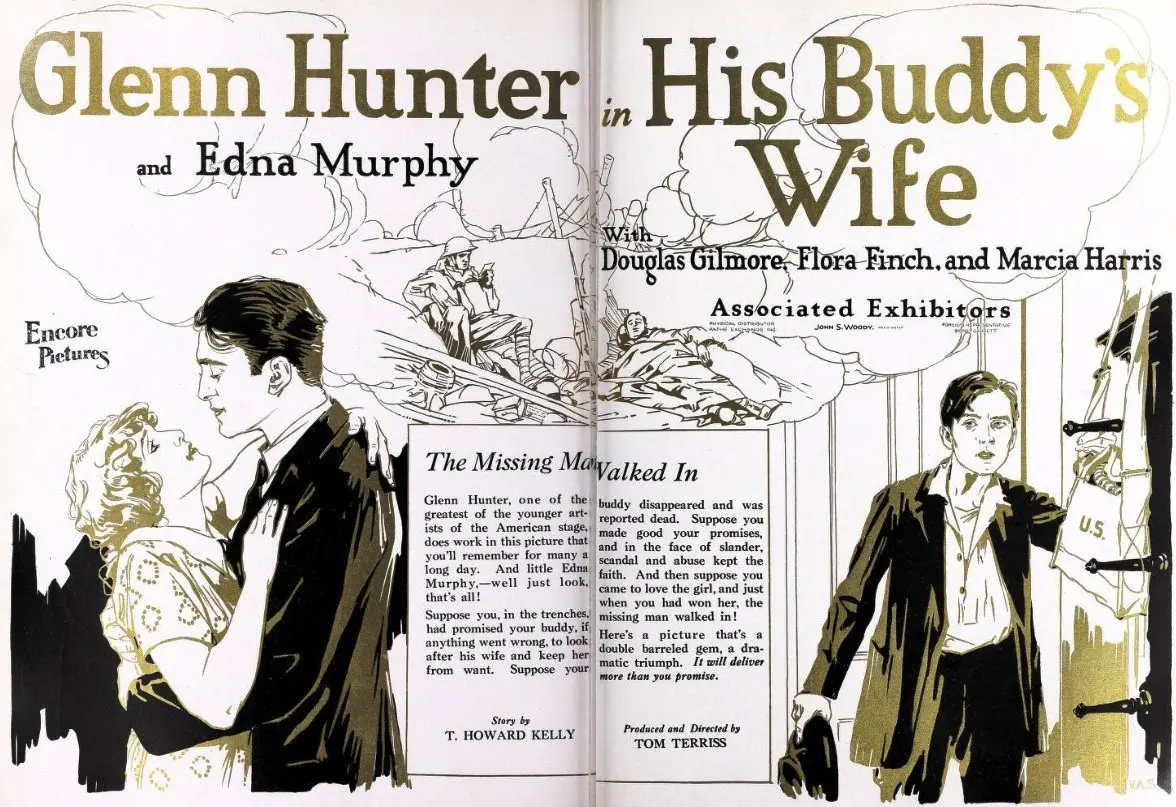
Jim McMorrow and Bill Mullaney become close friends during the fighting in France, and Bill asks Jim to look after his family if anything should happen to him. Bill does not return from a patrol in no man's land, and Jim goes to the Mullaney farm, taking care of Bill's wife, Mary, and old Mother Mullaney, who dies shortly after Jim arrives. Jim and Mary are left alone on the farm, and the neighbors begin to gossip. Mary decides that she and Jim must be married, but Bill reappears on the eve of the wedding, telling of his capture by the Germans. Jim quickly realizes that Mary still loves Bill and reluctantly passes out of their lives, finding a cup of gall where he expected a wedding feast.
Decades after its release, His Buddy's Wife remains a vital piece of the cinematic puzzle. Its influence can be seen in countless modern works, solidifying Tom Terriss's status as a master of the craft in United States and beyond.