
DbcultAccessing Vault...
Director's Spotlight
Senior Film Conservator
Director's Spotlight: United States
A Deep Dive into the 1916 Vision of Travers Vale
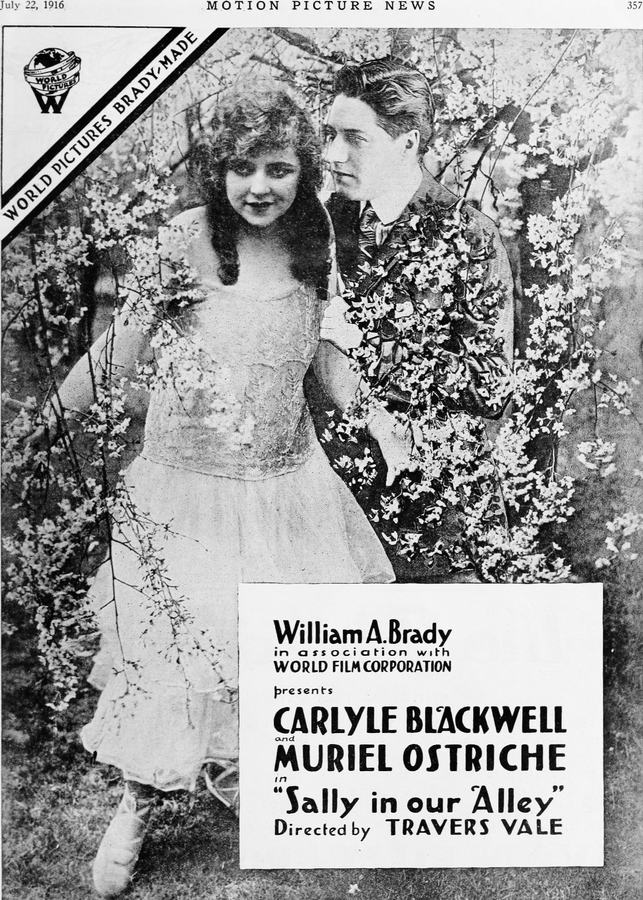
Analyzing Sally in Our Alley (1916) requires a deep dive into the unique directorial voice that Travers Vale brought to the screen. By challenging the status quo of 1916 cinema, it continues to spark endless debates among critics and cinephiles alike.
In Sally in Our Alley, Travers Vale pushes the boundaries of conventional narrative. The film's unique approach to its subject matter has sparked endless debates and interpretations among cinephiles and critics alike.
While deeply rooted in United States, Sally in Our Alley has achieved a global reach, influencing directors from various backgrounds. Its ability to translate cult tropes into a universal cinematic language is why it remains a cult staple decades after its 1916 release.
| Cinematography | Static |
| Soundtrack | Orchestral |
| Editing | Slow-Burn |
| Art Direction | Brutalist |
Visualizing the convergence of Travers Vale's style and the core cult narrative.
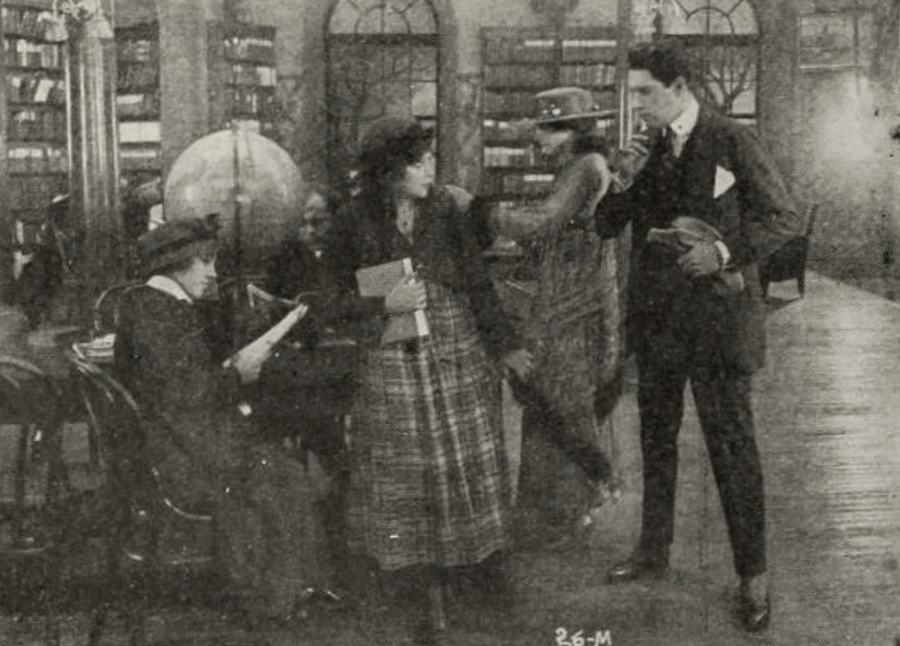
Sally McGill, a little Irish girl, brought up in a particularly sordid section, is compelled to work to support her entire family. Ben Blaney, the young foreman where she works, loves little Sally. Mrs. Rockwell, wealthy and childless, finds joy in taking a limited number of the poorest children to her country home each summer, and she selects those whom she will take. While visiting the lower East Side, which is distinguished by the name of "Pigtail Alley," she meets Sally and impulsively asks her to go along to earn her board and keep by caring for and helping with the children. Sally is overjoyed. Ben Blaney, however, proposes to Sally and is rejected. Mrs. Rockwell's niece, Isabelle, is jealous of Sally and takes a violent dislike to her. Sally's ambition is to become a refined lady like those about her, and she is attracted to Paul Taylor, but knows she is inferior to him. Isabelle succeeds in having Sally discharged. She then goes to work in a millinery store where she has opportunities to learn the refined ways she so admires, and joins a library to study on this subject. Mrs. Rockwell, in need of a maid, seeks little Sally out and offers her the position, and she again meets Paul, who proposes to her on her way home one evening, but she, realizing the great social gulf between them, does not consent and tells him he must never see her again. She leaves Mrs. Rockwell's employment to become an artist's model and because she pledged Mrs. Rockwell to secrecy about her new address, Paul goes to her mother, who, believing there is a possibility of a rich marriage, gives him Sally's address. Paul waits for Sally and escorts her home, standing in the doorway for a chat. Ben sees them just as Paul is embracing Sally and in a rage strikes Paul down. Later, when Ben learns that Paul has asked for Sally in marriage, he tells Sally that they are not made of the same clay, and that she has outgrown "Pigtail Alley," and he hopes that she will be happy with Paul. She goes to Paul and he holds her in his arms and finishes the sentence he started in the hallway, which Ben interrupted, "When do we start for South America?"
Decades after its release, Sally in Our Alley remains a vital piece of the cinematic puzzle. Its influence can be seen in countless modern works, solidifying Travers Vale's status as a master of the craft in United States and beyond.