
DbcultAccessing Vault...
Director's Spotlight
Senior Film Conservator
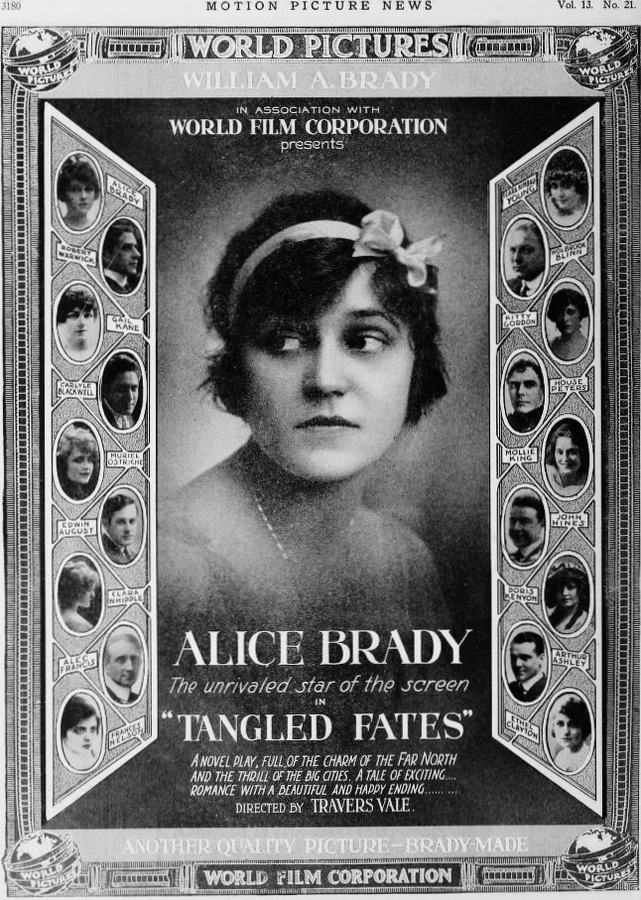
Director's Spotlight: United States
A Deep Dive into the 1916 Vision of Travers Vale
Few works in United States cinema carry the same weight as Tangled Fates, especially regarding the cultural zeitgeist captured so perfectly by Travers Vale in 1916. Utilizing a 1916-specific aesthetic that remains timeless, it serves as a blueprint for future generations of cult directors.
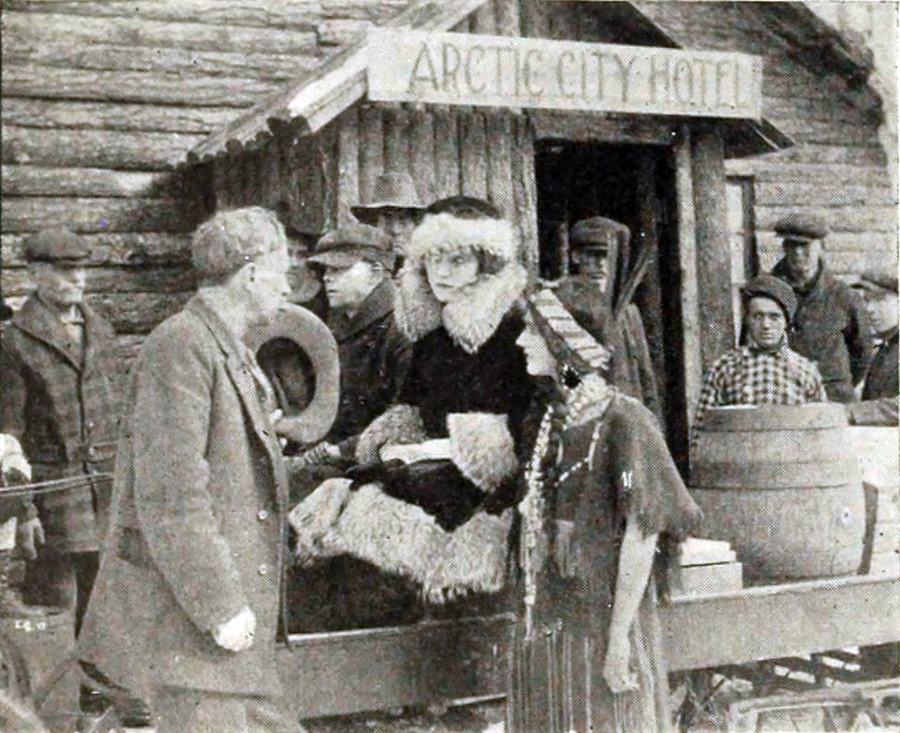
In Tangled Fates, Travers Vale pushes the boundaries of conventional narrative. The film's unique approach to its subject matter has sparked endless debates and interpretations among cinephiles and critics alike.
| Cinematography | Handheld |
| Soundtrack | Orchestral |
| Editing | Slow-Burn |
| Art Direction | Brutalist |
Visualizing the convergence of Travers Vale's style and the core cult narrative.
Jane Lawson takes the blame for her younger sister Ruth's minor romantic indiscretion, and is thrown out of the house by her straight-laced parents. She finds work as a department store model, and then marries Will Rogers, her boss's dissolute son, even though George Blake, another store employee, is a far more wealthy and sensible suitor. Will starts embezzling store funds, and when George finds out, to protect Jane, he gives Will some money and sends him to Alaska to make good. His habits fail to improve, however, and when Jane goes to Alaska to meet him she arrives just in time to watch him hang for murder. Suddenly, Jane realizes George's true worth, and so marries him as soon as she returns.
Decades after its release, Tangled Fates remains a vital piece of the cinematic puzzle. Its influence can be seen in countless modern works, solidifying Travers Vale's status as a master of the craft in United States and beyond.