
DbcultAccessing Vault...
Director's Spotlight
Senior Film Conservator
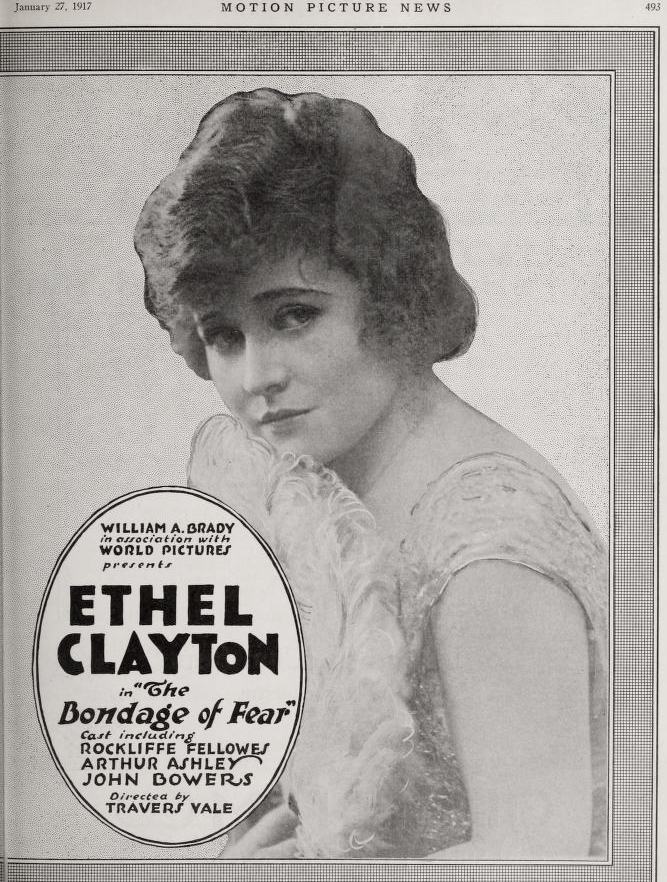
Director's Spotlight: United States
A Deep Dive into the 1917 Vision of Travers Vale
The brilliance of The Bondage of Fear (1917) is inseparable from the visionary mind of its creator, Travers Vale. Serving as a mirror to the anxieties of a changing world, it persists as a haunting reminder of our own cinematic history.
In The Bondage of Fear, Travers Vale pushes the boundaries of conventional narrative. The film's unique approach to its subject matter has sparked endless debates and interpretations among cinephiles and critics alike.
To fully appreciate The Bondage of Fear, one must consider the cinematic climate of 1917. During this period, United States was undergoing significant artistic shifts, and Travers Vale was at the forefront of this cult movement, often challenging established norms.
| Cinematography | Deep Focus |
| Soundtrack | Orchestral |
| Editing | Slow-Burn |
| Art Direction | Brutalist |
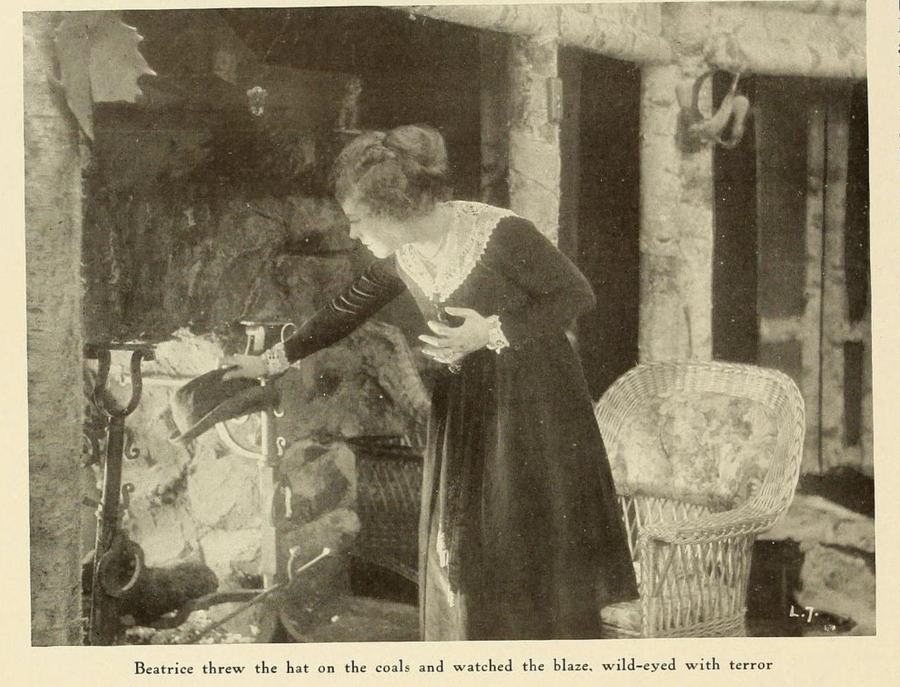
Visualizing the convergence of Travers Vale's style and the core cult narrative.
Vesta Wheatley and Dick Mortimer have been friends from childhood, but when he declared his love and asks her to marry him, she tells him their friendship is too pleasant to spoil it by love-making. John Randolph, a wealthy city man, is attracted to Vesta and a romance develops which culminates in a quiet wedding. Although Vesta is happy she enjoys tasting of worldly pleasures unknown to her. However, after a short fling she returns to her husband with increased love and respect. Unable to stand village life, after Vesta's marriage, Dick comes to the city. He and Vesta meet by chance and he avails himself of her invitation to call. John, returning home unexpectedly, is surprised to find Dick talking to his wife; he recalls a scene in the country before his marriage, when he saw Dick making love to Vesta. However, he hides his suspicions and he and his wife go to their country lodge. Beset by thoughts of Vesta, Dick follows and during her husband's absence, enters the lodge. Vesta resents his declaration of love, and hearing a noise on the outside, begs him to leave before her husband returns. The door is burst open and Skinny, a gangster, enters. In the struggle that ensues Dick is killed by Skinny. Vesta grabs the pistol and holding Skinny at bay, prepares to call the police, but Skinny tells her that she bad better think before phoning, as the news will create a scandal. Cowed by his threats, Vesta is compelled to watch in silence as he drags Dick's lifeless body away. Although her husband suspects nothing, Vesta is haunted with memories of Dick's murder, and Skinny, by frequent blackmail, helps keep alive the memory. At last she feels that she can bear it no longer and when Skinny comes with a demand for an enormous sum, she seizes a pistol and kills him. She then phones to the police, telling them she is alone in the house and hears a burglar entering; there is a pistol in her husband's room. The burglar is approaching, what shall she do? The officer tells her to hold the burglar off until help comes. With the receiver down, she fires a shot into the air. When the officers arrive they pronounce the killing is self-defense, and Vesta is happy with her husband, knowing that her tormentor is out of the way.
Decades after its release, The Bondage of Fear remains a vital piece of the cinematic puzzle. Its influence can be seen in countless modern works, solidifying Travers Vale's status as a master of the craft in United States and beyond.