
DbcultAccessing Vault...
Director's Spotlight
Senior Film Conservator
Director's Spotlight: United States
A Deep Dive into the 1918 Vision of Travers Vale
The cult DNA of The Witch Woman is a reflection of United States's the subversive storytelling techniques employed by Travers Vale in 1918. Breaking the traditional rules of cult engagement, it leaves an indelible mark on the soul of the viewer.
In The Witch Woman, Travers Vale pushes the boundaries of conventional narrative. The film's unique approach to its subject matter has sparked endless debates and interpretations among cinephiles and critics alike.
While deeply rooted in United States, The Witch Woman has achieved a global reach, influencing directors from various backgrounds. Its ability to translate cult tropes into a universal cinematic language is why it remains a cult staple decades after its 1918 release.
| Cinematography | Handheld |
| Soundtrack | Orchestral |
| Editing | Slow-Burn |
| Art Direction | Brutalist |
Visualizing the convergence of Travers Vale's style and the core cult narrative.
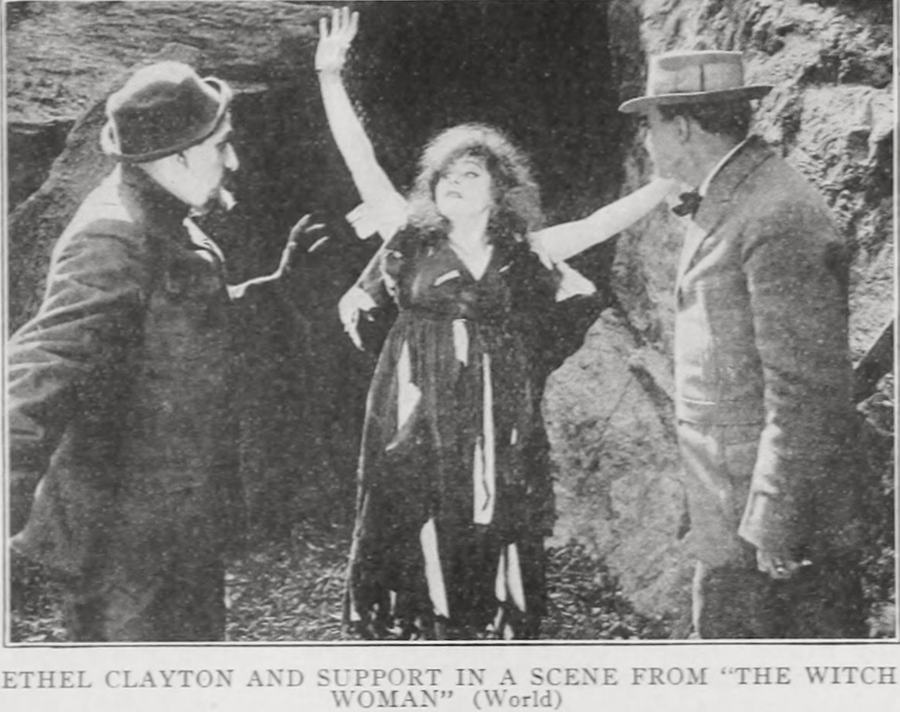
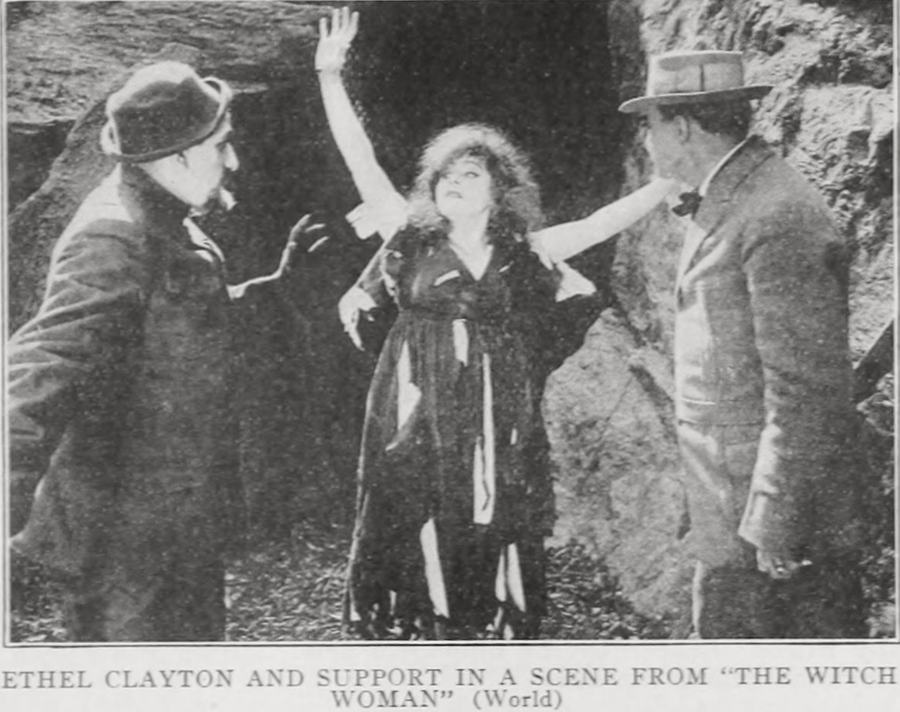
Louis La Farge journeys to a little Alsatian village and there makes love to a pretty shepherdess named Marie Beaupre. Following his departure, Marie is cast out of the village, and, forced to survive in the mountains alone, she goes mad. On a hunting trip, hypnotist Dr. Cochefort and his friend Delaunay meet the "witch woman," as she is called, and take her to Paris, where she is cured and then named the heir to Delaunay's fortune. Her adopted guardian introduces her to Louis's twin brother Maurice, and she, believing him to be Louis, flirts with him while searching for an opportunity to obtain revenge. Andrea Montignac, Louis's mistress, begs Marie to give him up, not realizing that it is Maurice who courts her, and, at a masked ball, Marie announces that Louis and Andrea are engaged. Louis only laughs and seizes Marie, whereupon Andrea shoots him. When Maurice enters, both women realize their mistake, and Andrea commits suicide. Maurice then gives Marie his forgiveness and his love.
Decades after its release, The Witch Woman remains a vital piece of the cinematic puzzle. Its influence can be seen in countless modern works, solidifying Travers Vale's status as a master of the craft in United States and beyond.