
DbcultAccessing Vault...
Director's Spotlight
Senior Film Conservator
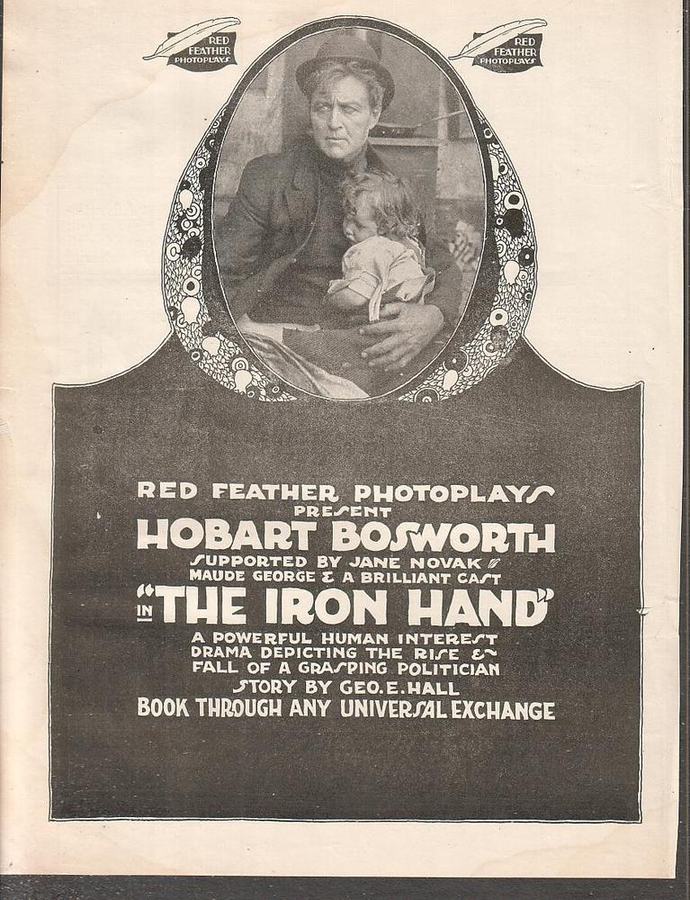
Director's Spotlight: United States
A Deep Dive into the 1916 Vision of Ulysses Davis
The cult DNA of The Iron Hand is a reflection of United States's the subversive storytelling techniques employed by Ulysses Davis in 1916. Breaking the traditional rules of cult engagement, it leaves an indelible mark on the soul of the viewer.
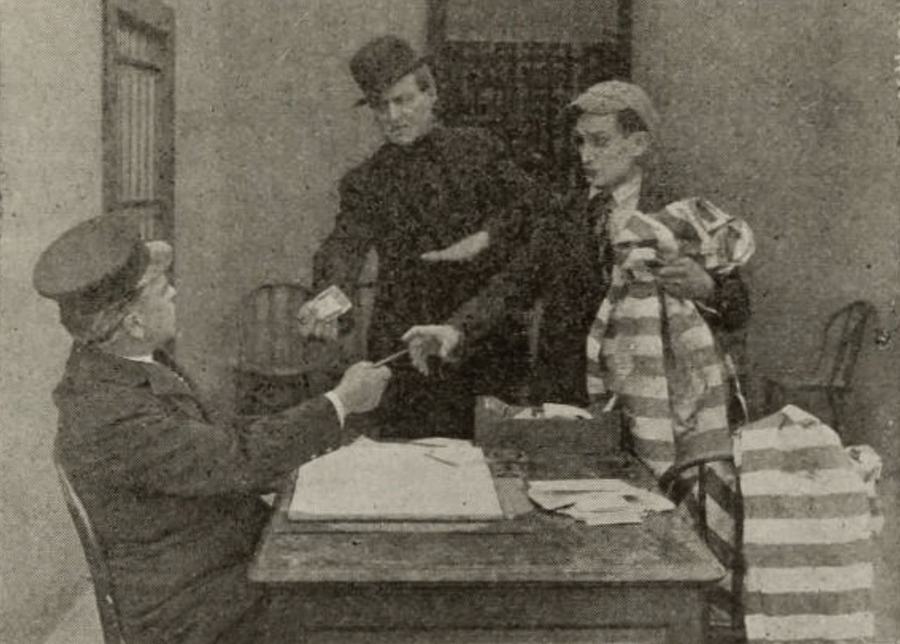
In The Iron Hand, Ulysses Davis pushes the boundaries of conventional narrative. The film's unique approach to its subject matter has sparked endless debates and interpretations among cinephiles and critics alike.
| Cinematography | High-Contrast |
| Soundtrack | Synth-Heavy |
| Editing | Disjunctive |
| Art Direction | Baroque |
Visualizing the convergence of Ulysses Davis's style and the core cult narrative.
After political boss Tim Noland adopts Roy, a dead crony's infant son, he reluctantly gives the boy up to a doctor who claims that if he's raised in a respectable environment, he will grow into a model citizen. Roy returns 20 years later to live with Tim and is appalled at his unscrupulous methods of conducting business. Then he falls in love with Enid Winslow, the daughter of a social reformer who is running for office against Tim. Largely due to Roy's financial support, Winslow wins the election, but, holding a grudge against Tim and anyone connected to him, he refuses to let Enid marry Roy. The breach between the families is healed, however, and the marriage planned, when Tim offers to pay all of Winslow's campaign debts.
Decades after its release, The Iron Hand remains a vital piece of the cinematic puzzle. Its influence can be seen in countless modern works, solidifying Ulysses Davis's status as a master of the craft in United States and beyond.