
DbcultAccessing Vault...
Director's Spotlight
Senior Film Conservator
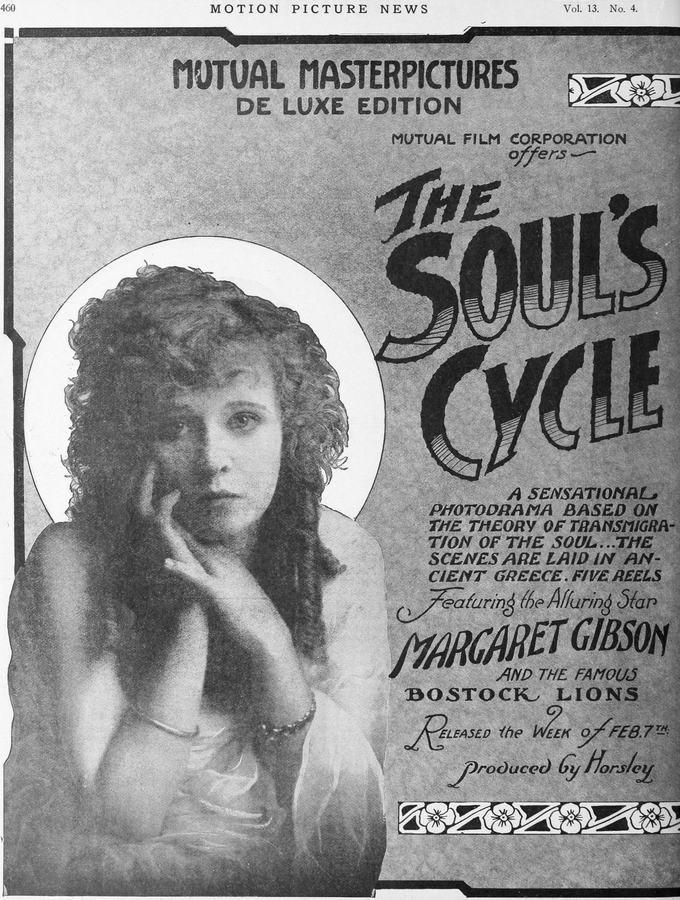
Director's Spotlight: United States
A Deep Dive into the 1916 Vision of Ulysses Davis
The brilliance of The Soul's Cycle (1916) is inseparable from the visionary mind of its creator, Ulysses Davis. Serving as a mirror to the anxieties of a changing world, it persists as a haunting reminder of our own cinematic history.
In The Soul's Cycle, Ulysses Davis pushes the boundaries of conventional narrative. The film's unique approach to its subject matter has sparked endless debates and interpretations among cinephiles and critics alike.
The visual language of The Soul's Cycle is defined by its use of shadows and framing, a hallmark of Ulysses Davis's style. By utilizing a 1916-era palette, the film creates an immersive experience that perfectly complements its cult themes.
| Cinematography | Noir-Inspired |
| Soundtrack | Synth-Heavy |
| Editing | Disjunctive |
| Art Direction | Baroque |
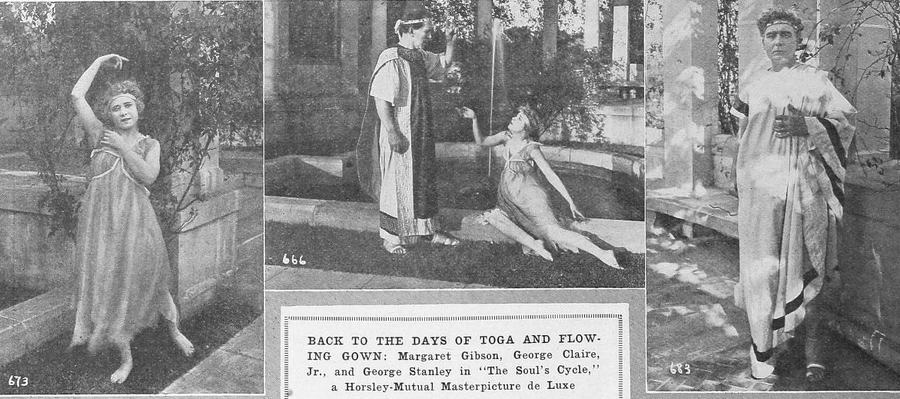
Visualizing the convergence of Ulysses Davis's style and the core cult narrative.
In the ancient philosophies and religions the idea of reincarnation and transmigration of the soul played a large part. This photoplay is founded on the assumption that in the immortality of the soul many cycles must be re-lived to round out its perfection, and when one defiles the divine law he must go back to first principle, and even into the animal form, to work up again to his former estate. The story involves two epochs. It begins in the old Grecian time and revolves around one Theron, a Grecian Senator who has grown old, and to whom honor has come, but not love. Nadia, the innocent young daughter of a Greek nobleman, inspires passion in his breast, and he sells his soul to the evil of hatred and revenge when she scorns his advances and gives her heart to the poetic Lucian. The father of Nadia is ambitious and connives with the Senator to crush youth and love. "Love laughs at locksmiths" and the young people elope. Then the Senator sets loose the dogs of hatred and has them brought by his slaves to a burning crater, into which he throws them. For this sin the unseen arbiter of souls condemns him to enter the body of a lion and to roam the earth even unto the end of time, unless he shall save youth and love even as he has killed them. The story then switches to events of a century later. Youth and love have been reincarnated into a lovely young daughter of an American millionaire and into the soul of a young broker on Wall Street. The young broker has, as trophy of his African travels, a magnificent lion, which he installs in his mansion. When he and the young girl meet they seem to live over a dream of some olden time. Love draws them together and they are married, but the rival of the young broker allows hatred to possess him and sets about to ruin him. In the meantime, the young wife has a profound influence over the magnificent beast. At the crisis of her husband's fortune a vision of a terrible abyss comes to her as a warning, and she persuades her husband to change his order for stock. This vision is the unseen message of the Senator, speaking through the lion. The other young broker, thinking to triumph over his helpless victim goes to the house and tells her that her husband is ruined. The husband returns and chastises him for an insult to his wife. Leaving the room, the villain enters the room where the lion is caged. A hideous revenge forms itself in his mind. He lets the lion loose, but instead of killing the young people the lion seems to have elected himself their protector, for he leaves the room at the young wife's command and returns to the other room and kills the rival, apparently stamping out evil and saving youth and love. His crime of centuries ago is thus atoned and the spirit rises for a moment triumphant, but the endless cycle of justice goes on and the modern man must work out his destiny even as has the ancient.
Decades after its release, The Soul's Cycle remains a vital piece of the cinematic puzzle. Its influence can be seen in countless modern works, solidifying Ulysses Davis's status as a master of the craft in United States and beyond.