
DbcultAccessing Vault...
Director's Spotlight
Senior Film Conservator
Director's Spotlight: Italy
A Deep Dive into the 1914 Vision of Umberto Paradisi
When we examine the cinematic landscape of Italy, The Last Dance emerges as a landmark work of the enduring legacy of Umberto Paradisi's artistic contribution to the genre. Through a lens of existential fatalism and cult tropes, it captures a specific kind of cinematic magic that is rarely replicated.
In The Last Dance, Umberto Paradisi pushes the boundaries of conventional narrative. The film's unique approach to its subject matter has sparked endless debates and interpretations among cinephiles and critics alike.
In this work, Umberto Paradisi explores the intersection of cult and Italy cultural identity. The meticulous attention to detail suggests a deep-seated commitment to pushing the boundaries of the medium, ensuring that The Last Dance remains a relevant topic of study for cult enthusiasts.
| Cinematography | Deep Focus |
| Soundtrack | Minimalist |
| Editing | Disjunctive |
| Art Direction | Baroque |
Visualizing the convergence of Umberto Paradisi's style and the core cult narrative.
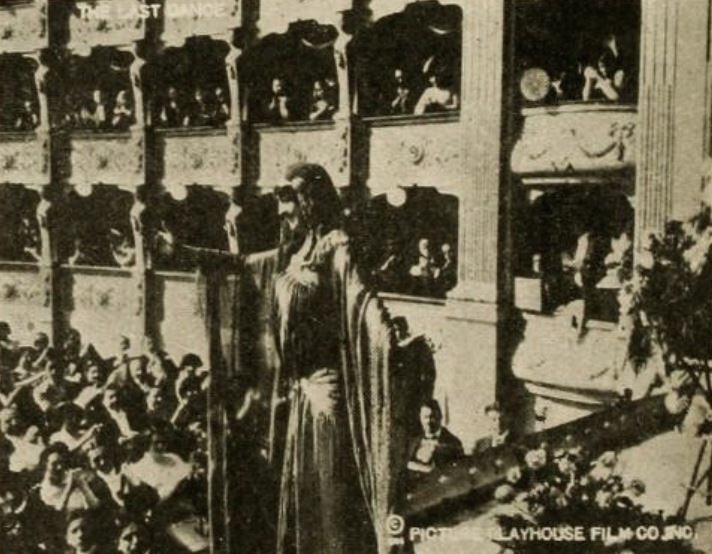
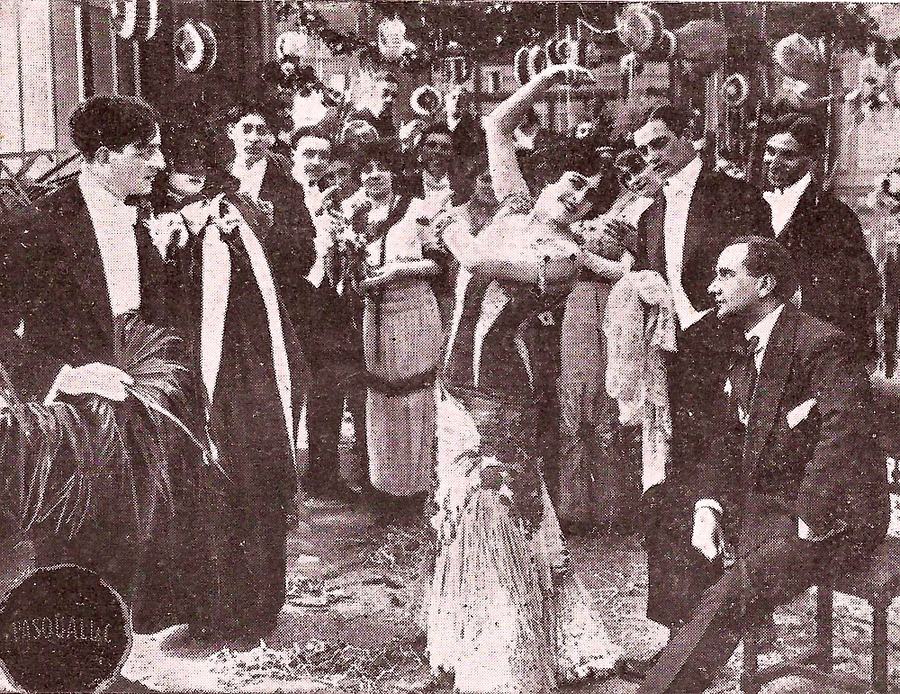
Jean, a poor struggling artist, living in a garret on Montmartre, sees from the gallery of the Opera House the famous Spanish dancer, Conchita, and falls madly in love with her. He haunts the street before her house, in the hopes of even a glimpse of her wonderful beauty, but try as he may, cheered on by his faithful model, Ninon, he cannot paint the picture that will do her justice. Conchita progresses from triumph to triumph, and wears the night of her greatest success the poor flowers sent her by the artist in preference to the jewels of her admiring host of friends. Ninon goes to Conchita and begs her to pose just once as Jean's model, so that he may paint her portrait and gain undying fame. Conchita, lured on by her spirit of romance, visits the artist in his studio while he is asleep and dances before him. She seems to float away into nothingness and he cannot tell whether the loving kiss that she gave him was real or only a dream. The picture that Jean paints from the inspiration of the dancer wins the prize at the Academy, and Jean has become famous overnight. The romance is soon ended when the quickly acquired fortune of the now famous painter is dissipated, and the dancer returns to the stage. Jean is broken in health, and comes to live again in an obscure garret, tenderly cared for by the ever faithful Ninon, and on her desperate plea, Conchita comes to dance before the dying Jean. He dies in her arms and she, now realizing that the world holds no further zest, follows him into the unknown.
Decades after its release, The Last Dance remains a vital piece of the cinematic puzzle. Its influence can be seen in countless modern works, solidifying Umberto Paradisi's status as a master of the craft in Italy and beyond.