Summary
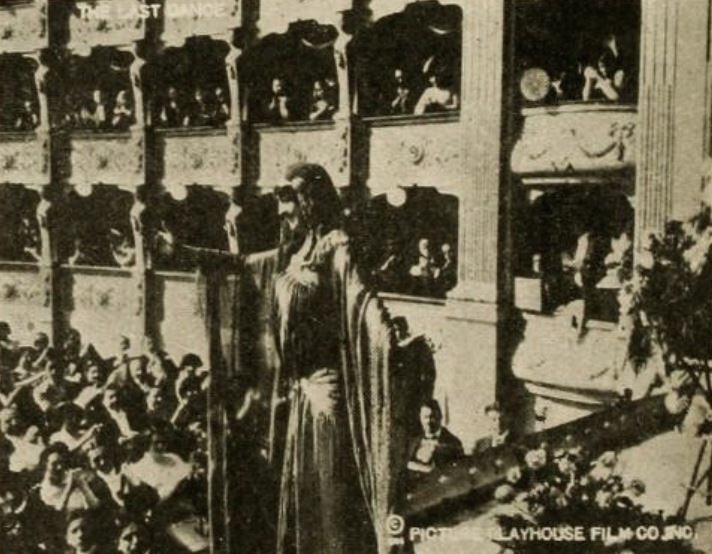
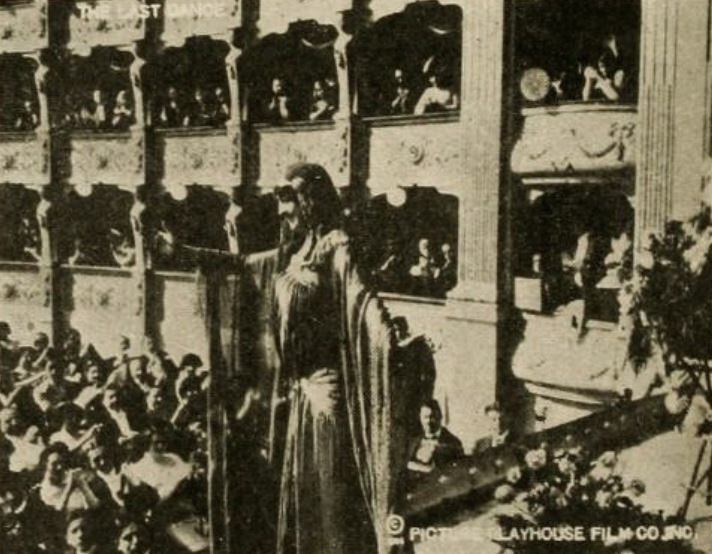
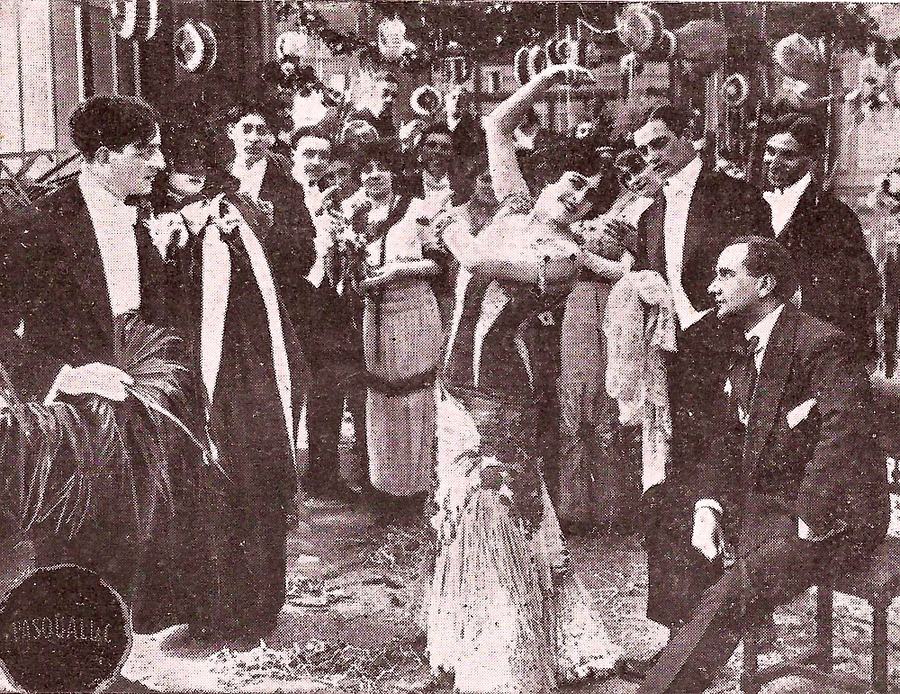
On a rain-lashed Montmartre ridge, where cracked chimney-pots whistle like destitute flutes, skeletal Jean—canvas-strapped and coinless—peers through the Opera’s gilt balustrade and beholds Conchita, Andalusian comet, stamping out thunderbolts with castanets. He stalks her cobblestone perimeter, trading crusts of bread for glimpses, while inside his skylighted garret half-finished sketches multiply, every charcoal bruise a botched love-letter. Model-muse Ninon, bread-butter loyal, poses in moon-dust, coaxing pigment from despair, yet Jean’s brush collapses before the dancer’s incandescence: vermilion bleeds to rust, viridian to bile. Conchita ascends from triumph to triumph; on the night she crowns herself queen of the corps de ballet she pins Jean’s wilting violets above her heart, rejecting diamond avalanches from dukes and bankers. Sensing the painter’s slow suffocation, Ninon crosses the footlights, kneels amid tulle and gas-jets, begs the star for one sitting—one—so the boy who worships her motion may trap immortality on rag-paper. Conchita, drunk on her own legend, slips through Jean’s warped keyhole at dawn, twirls barefoot across cracked floorboards while he sleeps, her shawl catching dust-motes like fireflies; she evaporates before he fully wakes, leaving only the ghost-pressure of a kiss curling on his lips. From that vaporous visitation Jean conjures a fever-canvas: ochre thighs, indigo shadow, a centrifugal blur that fuses flamenco with eternity. The Academy, thunderstruck, crowns it Prix Suprême; overnight, newspapers shriek his name, dealers duel in antechambers, francs cascade like hailstones. But fortune, a feral cat, scratches and flees; commissions dry up, critics sniff newer blood, Jean gambles on absinthe and roulette, walls echo with unpaid rent. Conchita, restless, re-signs her contract at the Folies, sails to Buenos Aires under chandeliers of flash-powder. Jean, lungs rattling, crawls back to the original garret, where Ninon, unbreakable, warms bricks to cradle his feet. In extremis she dispatches a final plea; Conchita, hearing, cancels encores, races through fog, ascends the crooked stairs. By guttering candle she dances—silent, barefoot—her arms tracing the arc of a soul leaving the body. Jean exhales, dies into her sway; Conchita folds his lifeless fingers around her shawl, then, understanding that every spotlight is henceforth hollow, walks into the Seine’s ink, swallowed by the city that once adored her.
Synopsis
Jean, a poor struggling artist, living in a garret on Montmartre, sees from the gallery of the Opera House the famous Spanish dancer, Conchita, and falls madly in love with her. He haunts the street before her house, in the hopes of even a glimpse of her wonderful beauty, but try as he may, cheered on by his faithful model, Ninon, he cannot paint the picture that will do her justice. Conchita progresses from triumph to triumph, and wears the night of her greatest success the poor flowers sent her by the artist in preference to the jewels of her admiring host of friends. Ninon goes to Conchita and begs her to pose just once as Jean's model, so that he may paint her portrait and gain undying fame. Conchita, lured on by her spirit of romance, visits the artist in his studio while he is asleep and dances before him. She seems to float away into nothingness and he cannot tell whether the loving kiss that she gave him was real or only a dream. The picture that Jean paints from the inspiration of the dancer wins the prize at the Academy, and Jean has become famous overnight. The romance is soon ended when the quickly acquired fortune of the now famous painter is dissipated, and the dancer returns to the stage. Jean is broken in health, and comes to live again in an obscure garret, tenderly cared for by the ever faithful Ninon, and on her desperate plea, Conchita comes to dance before the dying Jean. He dies in her arms and she, now realizing that the world holds no further zest, follows him into the unknown.
Review Excerpt
"Montmartre’s vertebrae of cracked chimneys, cadaverous at dusk, have always devoured romantics; yet none so ravenously as Jean, the consumptive brush-wielder who haunts The Last Dance. Director Gustavo Serena—doubling here as tormented protagonist—transmutes 1919 celluloid into a fever-chart of desire, every frame smelling of turpentine, mildew, and cheap carnation.
The Chromatic Mirage
Shot on orthochromatic stock that renders crimson lips as coal-smudge, the film weaponizes absence: Conchita ..."