
Cult Cinema Deep Dive
The Unconventional Sacrament: Unearthing Cult Cinema's Enduring Mystique from its Maverick Origins

“Cult cinema thrives on the unconventional, drawing devotees into a shared experience far removed from mainstream expectations. This article delves into the enduring mystique of these maverick films, tracing their rebellious spirit from the silent era's bold experiments to today's fervent fandoms.”
In the vast, ever-expanding galaxy of cinematic art, there exists a peculiar constellation known as cult cinema. These aren't merely films; they are rituals, shared secrets, and communal sacraments, often discovered in the quiet corners of late-night screenings or passed down through generations of ardent film fandom. What transforms a motion picture from a mere spectacle into an object of obsessive devotion? It's a complex alchemy, blending transgressive narratives, unconventional aesthetics, and an inherent rebellious spirit that dares to challenge the mainstream. To truly comprehend the enduring power of cult cinema, we must journey beyond the familiar midnight movie circuit and delve into its maverick origins, tracing its proto-cult DNA back to the earliest flickering frames of cinematic history.

The Silent Era's Subversive Whispers: Genesis of the Cult Aesthetic
Long before the term "cult film" entered the lexicon, the seeds of this cinematic phenomenon were being sown in the silent era. This period, often romanticized for its innocence, was in fact a fertile ground for experimental storytelling and moral ambiguity. Unfettered by the strictures of later production codes, early filmmakers possessed a remarkable freedom to explore themes that would later become hallmarks of subversive cinema. Consider the audacious visual language of films like The Cabinet of Dr. Caligari (1920), a German Expressionist masterpiece that defied traditional realism with its distorted sets and unsettling atmosphere. While not a "cult film" in the modern sense at its release, its genre-defying aesthetic and psychological depth undoubtedly resonated with audiences seeking something beyond the ordinary, prefiguring the appreciation for the unconventional.
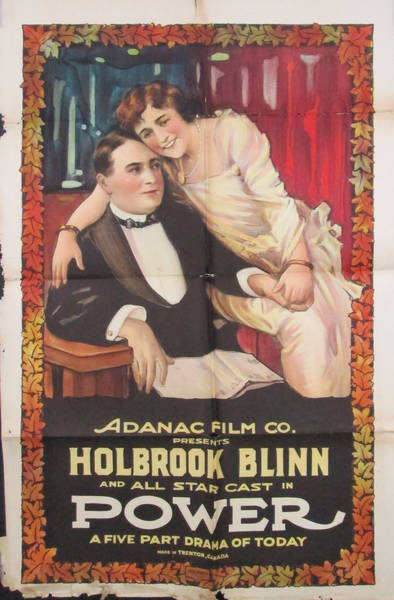
Many films from this foundational period, though perhaps forgotten by mainstream audiences, contained elements that would later define the cult experience: a willingness to confront societal norms, a fascination with the bizarre, and a distinct artistic vision. Think of the social commentary embedded in works like Birth Control (1917), a documentary feature that tackled a profoundly controversial topic for its time, challenging established moral orthodoxies. Or the dramatic explorations of human depravity and justice in Woe to the Conqueror; or, The Law of War (1918), which dared to depict the immoral tactics of army officers. These films, often skirting the edges of acceptability, inadvertently built the foundations for what would become a passionate appreciation for outsider art.

The very act of filmmaking in the early 20th century was an experimental endeavor. Directors and writers were inventing the language of cinema, and in doing so, sometimes stumbled upon forms and narratives that were inherently transgressive. Films like Dzieje grzechu (The Story of Sin) (1906, though a later Polish version exists from 1933) or Flames of the Flesh (1920) delved into themes of forbidden love, moral corruption, and revenge with a directness that might have shocked contemporary sensibilities, yet intrigued a segment of the audience. This early engagement with taboo subjects and provocative storytelling laid critical groundwork for the later emergence of films that would deliberately court controversy and a niche following.

Narrative Anarchy and Thematic Rebellion: Challenging the Status Quo
What defines a cult film, if not its profound departure from the conventional? This narrative anarchy and thematic rebellion are not recent developments. Even in the nascent days of cinema, certain films dared to present stories that were complex, morally ambiguous, or simply bewildering to mass audiences. The film The New Member (1918), with its depiction of a bizarre Satanic cult run by the police, exemplifies an early foray into the fantastical and the subversive, hinting at hidden societies and magical powers. Such narratives, far from the straightforward morality plays common at the time, offered a glimpse into alternative realities and challenged viewers to question what lay beneath the surface of everyday life.
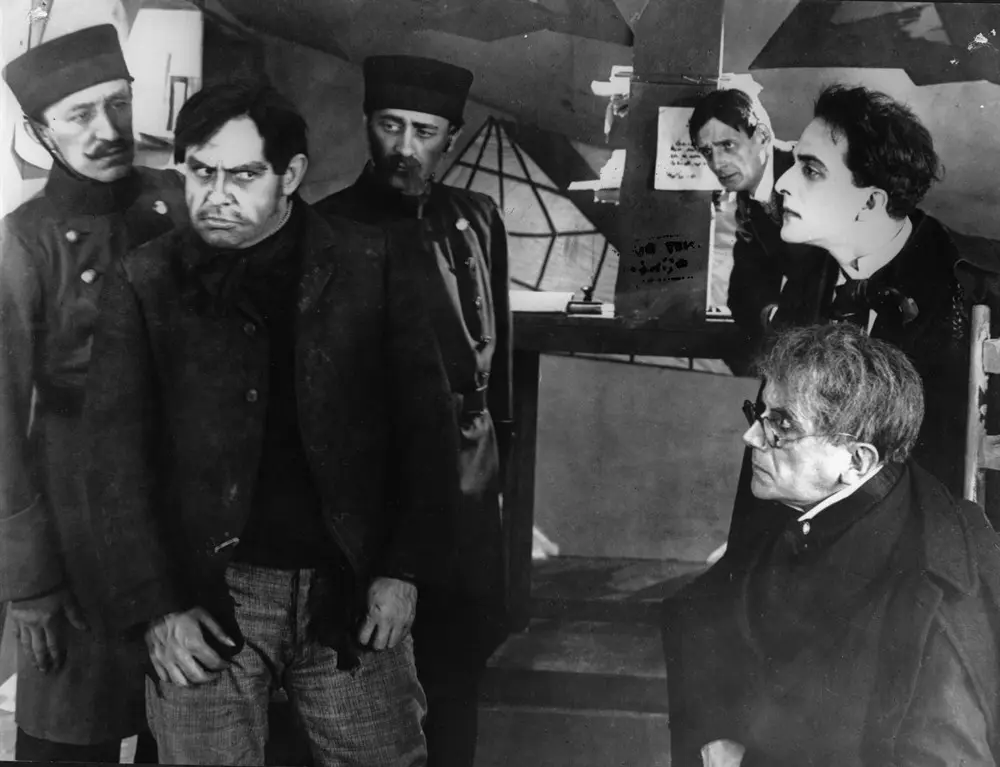
The portrayal of strong, unconventional female characters also contributed to this early spirit of rebellion. Films like The Social Pirates (1917), where two women vow to stop cads from preying on helpless girls, or Vicenta (1919), featuring a waitress who creates a scandal at her former lover's engagement party, showcased female agency and defiance. These narratives, though perhaps designed for popular consumption, nonetheless contained sparks of independence and a challenge to patriarchal norms that would resonate with future generations seeking counter-culture ideals in their cinema. The maverick spirit of cult cinema often stems from these early representations of characters who refuse to conform.
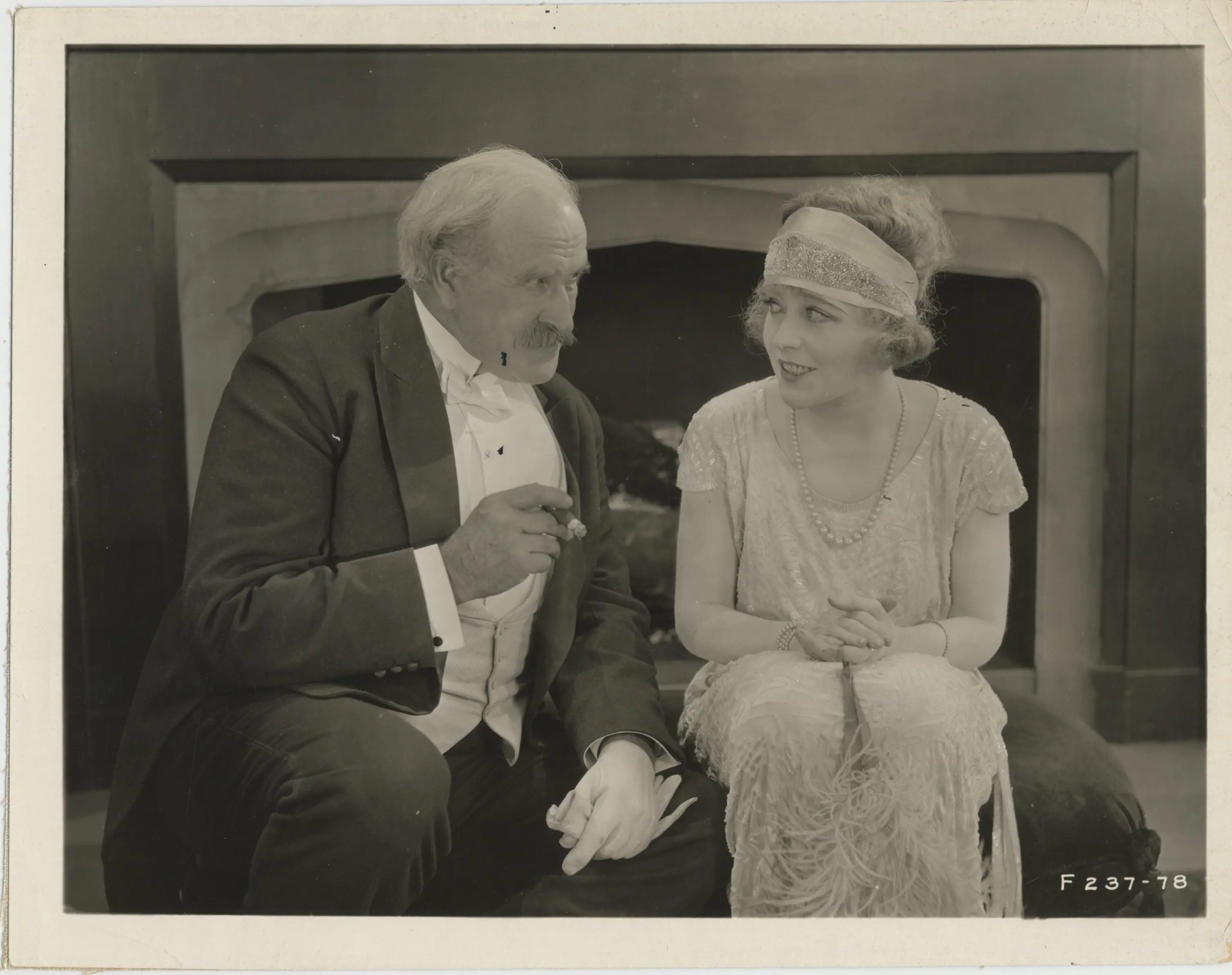
Even seemingly straightforward dramas or Westerns could carry an undercurrent of moral complexity or social critique that distinguished them. His Own Law (1922), a Western exploring a Texas Ranger's personal quest for justice outside the system, or The Tong Man (1919), a crime drama about an opium smuggler marked for murder, delved into illicit worlds and explored themes of personal honor versus societal law. These films, by depicting characters operating outside conventional morality or social structures, inadvertently tapped into a fascination with the anti-hero and the outcast, figures who would later become central to the cult film canon.

The Allure of the Anomalous: From Obscurity to Shared Obsession
The true power of cult cinema lies in its ability to transform initial obscurity or critical indifference into enduring obsession. Many films, upon their initial release, were either misunderstood, ahead of their time, or simply failed to find a wide audience. Yet, over years, sometimes decades, these cinematic outliers are rediscovered, re-evaluated, and ultimately embraced by devoted film enthusiasts. This process of reappraisal is a fundamental aspect of the cult phenomenon, creating a unique niche appeal that bypasses traditional critical and commercial metrics.
The communal aspect of cult cinema is arguably its most defining characteristic. It's not enough to simply watch a cult film; one must experience it, often repeatedly, and ideally, with a like-minded community. This is where the concept of the midnight movie truly crystallized, providing a sacred space for fans to gather, interact, and perform rituals associated with their beloved films. From audience callbacks to elaborate costumes, these screenings transform passive viewing into active audience participation, forging bonds and strengthening the collective identity of the film fandom. This shared experience elevates the film beyond its narrative, making it a cultural touchstone.
Even in the silent era, one can imagine a nascent form of this shared experience. Perhaps a small group of viewers would discuss the unsettling imagery of Der Tunnel (1915), a visionary tale of an engineer building an undersea railway, and its powerful forces seeking to stop him – a theme that, in its grand ambition and struggle against unseen powers, would resonate with those who appreciate a certain kind of epic, almost fantastical, struggle. Or the dramatic tension of Marooned Hearts (1916), where a spoiled fiancée resents her surgeon fiancé's dedication to his work, touching upon themes of societal expectation versus individual passion. These initial sparks of connection, however small, are the precursors to the fervent communities we see today.
The Enduring Legacy: Why the Unconventional Continues to Reign
Today, the landscape of cult cinema is more diverse and accessible than ever. Streaming platforms and digital archives have allowed countless forgotten gems and maverick films to find new audiences, often sparking fresh waves of devotional appreciation. The spirit of rebellion and the allure of the unconventional continue to draw viewers who feel alienated by the homogenized offerings of mainstream blockbusters. Cult films provide an alternative, a sanctuary for those who seek deeper meaning, stranger narratives, or simply a cinematic experience that challenges their perceptions.
The enduring legacy of cult cinema is a testament to the power of art to transcend its immediate context and resonate across generations. From the psychological complexities of The Oath of Stephan Huller (1912) to the dramatic human struggles in The Man Who Came Back (1914), early films, often without intending to, created stories and visual styles that spoke to a desire for something different. These films, though products of their time, contained universal themes of struggle, identity, rebellion, and the human condition, presented through a lens that was often ahead of its time.
The very act of seeking out and championing these cinematic outliers is a form of cultural activism. It's a refusal to let commercial success dictate artistic worth, a celebration of the unique voice, and a recognition that some stories are too profound, too strange, or too challenging for the broad daylight of mass appeal. The unconventional sacrament of cult cinema is a continuous process of discovery and reaffirmation, where audiences don't just consume art, but actively participate in its ongoing creation and meaning-making.
The Maverick's Manifesto: A Call to the Fringe
Ultimately, cult cinema is more than a genre; it's a philosophy, a maverick's manifesto etched in celluloid and pixels. It speaks to the part of us that yearns for the strange, the beautiful, and the utterly unique. It’s a testament to the fact that films, much like people, can be misunderstood, marginalized, and yet possess an undeniable charisma that eventually draws a devoted following. The journey from the silent era's subversive whispers to today's vibrant midnight congregations is a continuous narrative of art finding its true home, often on the fringes of the mainstream, where the most potent and transformative cinematic experiences often reside. The allure is eternal, the devotion unwavering, and the unconventional sacrament continues to be celebrated by those who dare to look beyond the marquee's glare.
Community
Comments
Log in to comment.
Loading comments…