
Cult Cinema
The Unwritten Rules: Why Cult Cinema Continues to Captivate and Challenge Audiences
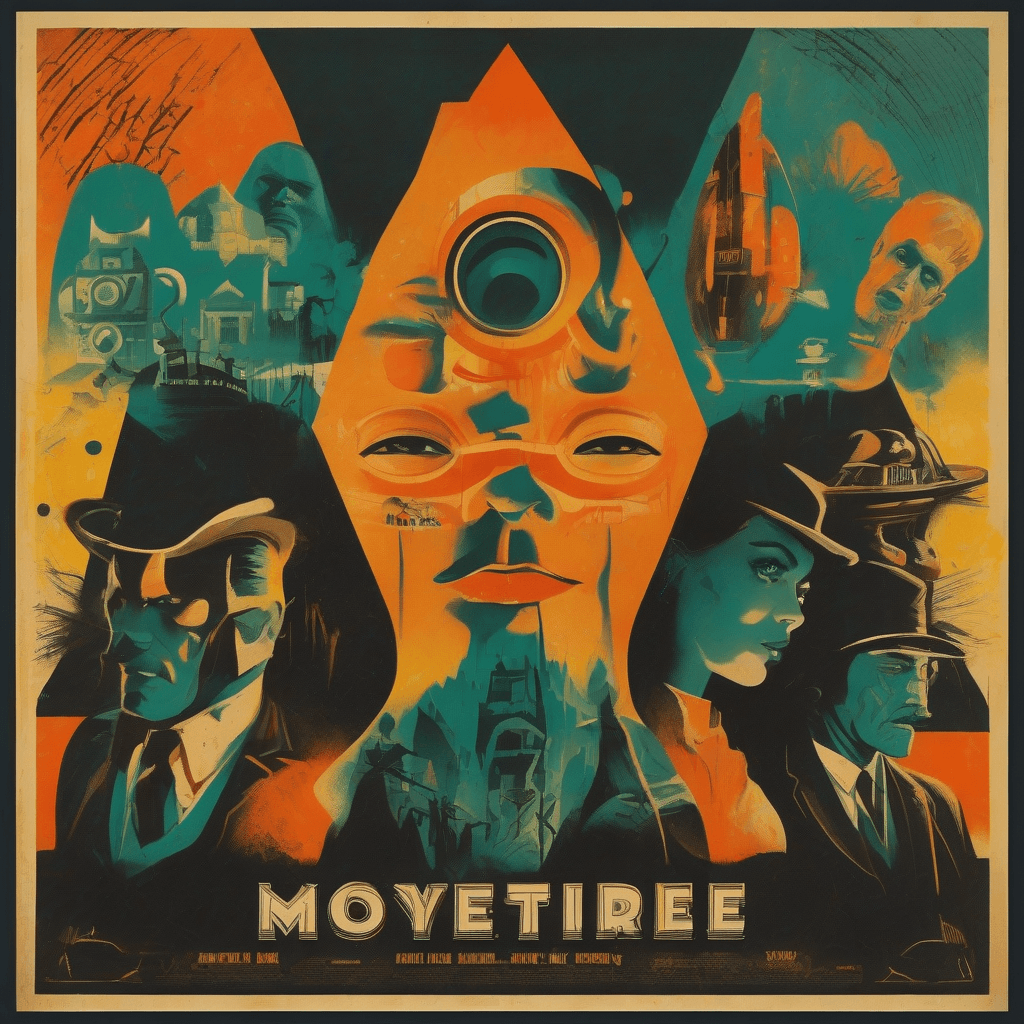
“Cult cinema defies mainstream expectations, forging deep connections with dedicated audiences through its unconventional narratives, transgressive themes, and singular artistic visions. These films often find their true calling beyond initial release, becoming cultural touchstones for those who seek…”
In the vast, shimmering tapestry of cinematic history, certain films refuse to be neatly categorized. They exist on the fringes, sometimes overlooked, often misunderstood, yet they forge an unbreakable bond with a devoted following. This is the enigmatic realm of cult cinema – a vibrant, often transgressive space where artistic rebellion meets fervent adoration. Unlike blockbusters designed for mass appeal, cult films thrive on their distinctiveness, their refusal to conform, and their ability to speak to a niche audience hungry for something more profound, more bizarre, or simply more authentic than what the mainstream offers.
The allure of cult cinema lies in its inherent subversion. These aren't just movies; they are experiences, catalysts for conversation, and sometimes, even rites of passage. They challenge perceptions, provoke thought, and often, celebrate the grotesque, the absurd, or the deeply human in ways that conventional storytelling rarely dares. From the earliest days of moving pictures, when narratives were still finding their footing and moral codes were being established, there have always been cinematic works that pushed boundaries, explored forbidden territories, or simply presented a vision too idiosyncratic for the common palate. These early cinematic experiments, much like the diverse narratives found in films such as dramas of societal outcasts or comedies of domestic upheaval, laid the groundwork for the unconventional spirit that defines cult films today. They were the primordial soup from which the strange, beautiful, and sometimes unsettling creatures of cult cinema would eventually emerge.
The Maverick's Canvas: Subversion and Transgression
At its core, cult cinema is an act of rebellion. It's a rejection of the safe, the predictable, and the morally unambiguous. Many of the films that achieve cult status do so because they dare to tread where others fear, exploring themes of forbidden desires, societal hypocrisy, and the darker corners of the human psyche. Consider the melodramas of yesteryear, where characters grappling with social ostracization, unconventional relationships, or the consequences of moral transgressions, often presented a stark contrast to the idealized portrayals of life prevalent at the time. A film depicting a woman cast aside by society, or a protagonist entangled in a web of deceit and passion, would have resonated with audiences seeking stories that mirrored their own unspoken anxieties or desires, even if those stories were deemed scandalous by the establishment.
These narratives, which might have been initially dismissed or even censored, often found their true audience among those who appreciated their unflinching honesty or their willingness to challenge norms. Films that delve into the lives of underworld figures, rebellious individuals, or those struggling against systemic injustice, inherently carry a subversive charge. They speak to the outsider mentality, providing a voice to the voiceless and a mirror for the marginalized. This willingness to confront uncomfortable truths, to depict the world not as it should be but as it often is, is a hallmark of cult cinema. It’s a space where the anti-hero thrives, where societal norms are questioned, and where the human condition, in all its messy complexity, is laid bare.
Moral Ambiguity and the Anti-Hero
Cult films frequently embrace moral ambiguity, presenting characters who defy easy classification as good or evil. This complex characterization allows for deeper engagement, inviting viewers to grapple with difficult ethical questions. A story about a reformed prostitute struggling with her past, or a father driven to extremes by financial ruin, forces the audience to confront the nuanced realities of human motivation and consequence. These aren't fairy tales; they are explorations of the gray areas of existence, where choices have profound implications and redemption is never guaranteed. The anti-hero, often charismatic yet flawed, becomes a focal point for this exploration, embodying the contradictions and complexities that resonate with audiences who feel alienated by simplistic morality tales.
The power of these narratives lies in their ability to reflect aspects of the human experience that are often suppressed or ignored in mainstream media. By presenting transgressive acts, unconventional relationships, or taboo subjects, cult films offer a cathartic release, a space for viewers to confront their own anxieties and desires without judgment. This liberation from conventional morality is a key factor in their enduring appeal, drawing in those who seek stories that challenge rather than comfort.
Beyond Genre: The Fluidity of Form
Another defining characteristic of cult cinema is its audacious approach to genre. Rather than adhering strictly to established conventions, many cult films delight in genre-bending, subverting expectations, or even creating entirely new cinematic languages. Early cinema, with its nascent understanding of genre, often saw films that blended elements of drama, comedy, westerns, and even historical biographies in ways that might seem unconventional by today's standards. This early fluidity, born out of experimentation, foreshadowed the genre-defying spirit of later cult classics.
A film might begin as a straightforward western but quickly devolve into a surreal psychological thriller, or a romantic comedy might take a sharp turn into dark satire. This unpredictability is a vital component of the cult experience. Audiences drawn to these films often crave the unexpected, the narrative twists that challenge their understanding of what a movie 'should' be. It’s a testament to the idea that true artistic expression often ignores boundaries, choosing instead to forge its own path, however winding or peculiar it may seem.
The Unconventional Narrative Structure
Beyond genre, cult films frequently employ unconventional narrative structures. They might feature non-linear storytelling, ambiguous endings, or a deliberate blurring of reality and fantasy. This narrative complexity demands active engagement from the viewer, inviting them to piece together meaning, interpret symbolism, and participate in the creation of the film's significance. A story that might initially appear to be a simple tale of love and betrayal could, upon closer inspection, reveal layers of psychological depth or social commentary that transcend its initial premise. This depth often rewards repeat viewings, allowing fans to uncover new meanings with each engagement, solidifying the film's place in their personal canon.
The deliberate embrace of the strange or the uncanny also contributes to this fluidity. Films that present bizarre scenarios, eccentric characters, or surreal imagery often resonate with audiences seeking an escape from the mundane. This aesthetic departure from the norm creates a unique cinematic fingerprint, making these films instantly recognizable and endlessly fascinating to their adherents.
The Echo Chamber of Obsession: Fan Devotion and Community
Perhaps the most defining aspect of cult cinema is the extraordinary devotion of its fans. Unlike mainstream blockbusters that enjoy fleeting popularity, cult films cultivate a deep, enduring loyalty that often transcends generations. This isn't just passive viewing; it's an active, participatory experience. The concept of the midnight movie, where audiences would gather in the late hours to celebrate their cinematic obsessions, singing along to dialogue, dressing as characters, and performing rituals, is emblematic of this profound connection.
This communal aspect is crucial. Cult films often create a sense of belonging for those who feel outside the mainstream. They serve as cultural touchstones, allowing individuals to connect over shared appreciation for the peculiar, the profound, or the simply outrageous. Whether it's dissecting every frame online or attending regular screenings, the act of engagement reinforces a collective identity. This shared passion transforms isolated viewers into a vibrant community, where discussions, theories, and celebrations of their beloved films flourish. This phenomenon is hinted at even in early films, where certain dramatic narratives, perhaps about a misunderstood artist or a tragic love affair, might have sparked passionate discussions and repeat viewings among specific groups, laying the groundwork for modern fandom.
From Obscurity to Icon Status: The Rediscovery Narrative
Many cult films were not instant successes. In fact, many were commercial failures upon their initial release, dismissed by critics or ignored by audiences. Their cult status often develops over time, through word-of-mouth, rediscovery, and a gradual recognition of their unique artistic merit or cultural significance. This rediscovery narrative is a common thread in cult cinema history. Films that explore dark historical events, complex social issues, or unconventional relationships might have been ahead of their time, their messages too challenging or their aesthetics too strange for contemporary audiences. But with the passage of time, cultural contexts shift, and new generations of viewers are often more receptive to their radical visions.
This journey from obscurity to beloved icon status underscores the idea that true artistic value isn't always immediately recognized. It often requires a dedicated few to champion the work, to keep its flame alive until the wider world catches up. This process of cinematic archeology, unearthing forgotten gems and re-evaluating their place in film history, is a vital part of the cult cinema experience. It highlights the enduring power of art to find its audience, no matter how long it takes.
The Rebel Heartbeat: Individuality and Artistic Vision
Behind every great cult film, there is almost always a singular, uncompromising artistic vision. These are often the works of maverick directors, writers, or performers who refuse to dilute their ideas for commercial viability. Their films are an extension of their unique perspectives, often infused with a raw honesty or a distinctive aesthetic that sets them apart. Whether it's a director obsessed with psychological manipulation, a writer exploring the depths of human depravity, or an actor embodying a truly iconoclastic character, the fingerprints of individual genius are undeniable.
This emphasis on artistic integrity over commercial success is a key differentiator. Cult films are rarely made by committee; they are often the product of a passionate individual or a small, dedicated team fighting to bring an uncompromised vision to the screen. This authenticity resonates deeply with audiences, who recognize and appreciate the effort to create something truly original, even if it's flawed or imperfect. It's a testament to the power of personal expression, a reminder that cinema can be a canvas for profound individual statements, not just a vehicle for entertainment.
The Power of the Unconventional Aesthetic
Visually and aurally, cult films often stand out. They might employ unconventional cinematography, experimental editing techniques, or distinctive soundscapes that contribute to their unique identity. A film about a hypnotist's control or a mysterious figure lurking in the shadows might use dramatic lighting, distorted perspectives, or unsettling musical scores to enhance its unsettling atmosphere. These aesthetic choices aren't merely stylistic; they are integral to the film's thematic concerns, deepening its impact and reinforcing its message.
The deliberate choice to deviate from conventional aesthetics can be polarizing, but for the dedicated cult audience, it's a source of profound appreciation. It transforms the film into a work of art that challenges the senses, demanding a different kind of engagement than a typical Hollywood production. This commitment to a unique aesthetic, often developed against financial constraints or industry expectations, solidifies the film's status as a genuine piece of outsider art.
The Enduring Legacy: Why Cult Films Matter
The legacy of cult cinema is far-reaching, influencing mainstream filmmaking and shaping our understanding of cinematic art. These films, once relegated to the fringes, have proven to be prophetic, influential, and endlessly rewatchable. They demonstrate that cinematic success isn't solely measured by box office receipts or critical acclaim, but by the depth of connection they forge with their audience and their lasting cultural footprint. From the early explorations of human folly in short comedies to the grand narratives of love and ambition, the seeds of cult appeal were sown across a diverse landscape of early film.
Cult cinema reminds us that art is subjective, and that beauty can be found in the unconventional, the disturbing, and the profoundly strange. It champions the underdog, the misunderstood, and the artist who dares to be different. In an increasingly homogenized world, the cult film stands as a beacon of individuality, a testament to the power of niche appeal, and a vibrant community for those who prefer their cinematic experiences to be a little weird, a little wild, and a lot unforgettable. It teaches us that the most impactful stories are often those that defy easy categorization, those that resonate with the deepest, most unconventional parts of ourselves, and those that continue to spark conversation and passion decades after their initial release. The unseen ritual of cult film devotion continues to shape cinematic history, proving that the true power of a movie lies not just on the screen, but in the hearts and minds of its most ardent followers.
Community
Comments
Log in to comment.
Loading comments…