
DbcultAccessing Vault...
Director's Spotlight
Senior Film Conservator
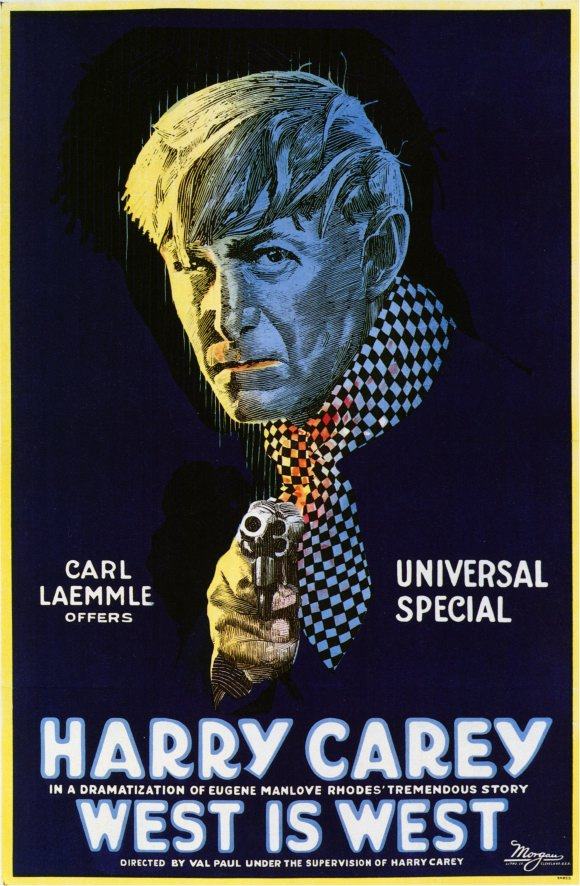
Director's Spotlight: United States
A Deep Dive into the 1920 Vision of Val Paul
The artistic breakthrough represented by West Is West in 1920 highlights the uncompromising vision of Val Paul that defines this Drama masterpiece. In the context of United States's rich cinematic history, it captures a specific kind of cinematic magic that is rarely replicated.
In West Is West, Val Paul pushes the boundaries of conventional narrative. The film's unique approach to its subject matter has sparked endless debates and interpretations among cinephiles and critics alike.
The visual language of West Is West is defined by its use of shadows and framing, a hallmark of Val Paul's style. By utilizing a 1920-era palette, the film creates an immersive experience that perfectly complements its Drama themes.
| Cinematography | Static |
| Soundtrack | Orchestral |
| Editing | Slow-Burn |
| Art Direction | Brutalist |
Visualizing the convergence of Val Paul's style and the core Drama narrative.
Finding himself out of funds, cowboy Dick Rainboldt accepts a job from an employment agency which sends him to the Torpedo mine in San Clemente. En route, he meets Katie Wigfall and is immediately attracted to the girl. Upon his arrival, Dick is amazed to discover that he has been employed as a strikebreaker, but determines to see the job through even though he disagrees with its objectives. Upon learning that the owner of the mine is being misled by his manager and superintendent, Dick determines to rectify the situation. After accepting money from the conspirators to blow up the mine tunnel, Dick uses the incident to expose the plotters, winning for himself a hefty promotion as well as Katie's love.
Decades after its release, West Is West remains a vital piece of the cinematic puzzle. Its influence can be seen in countless modern works, solidifying Val Paul's status as a master of the craft in United States and beyond.