
DbcultAccessing Vault...
Director's Spotlight
Senior Film Conservator
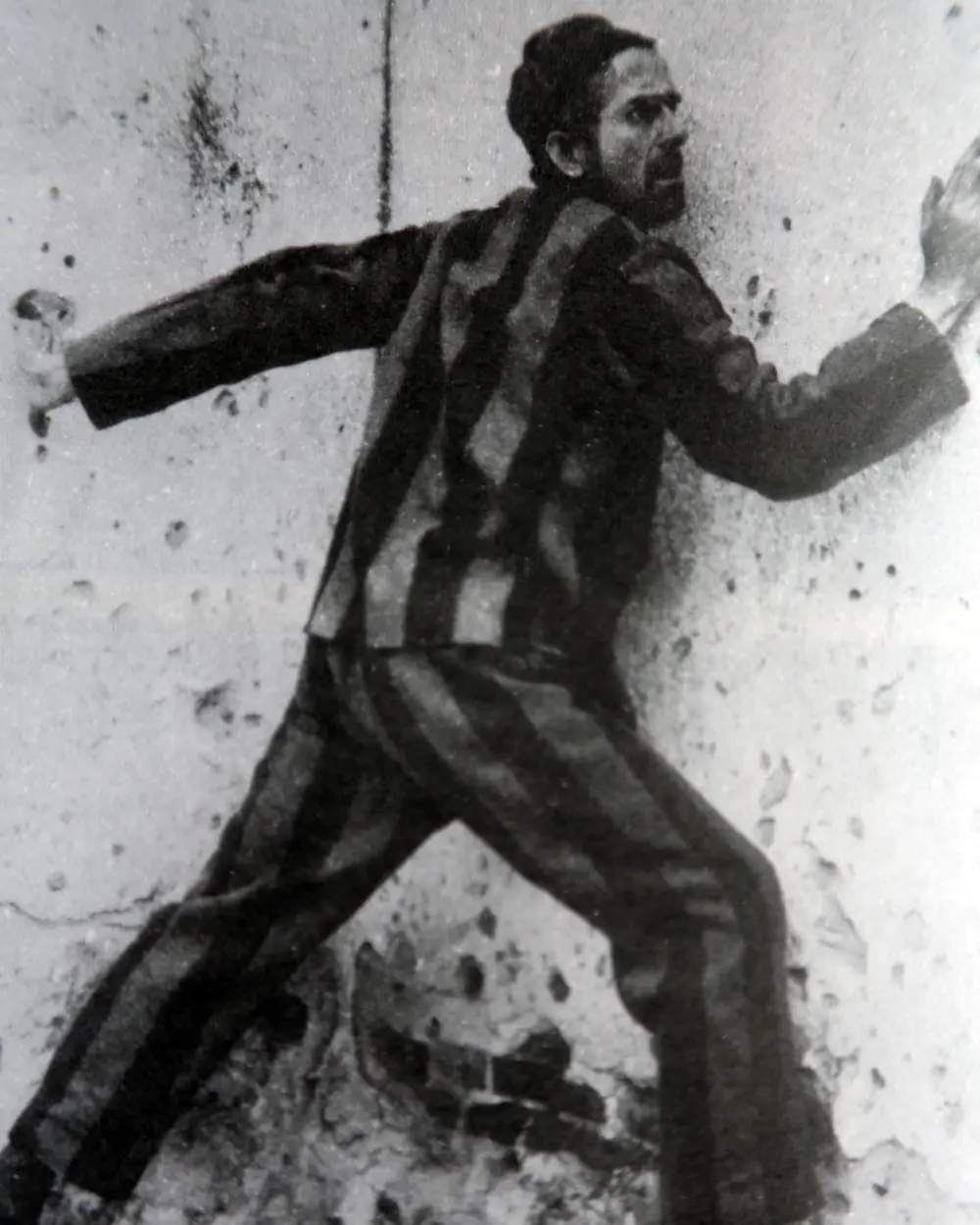
Director's Spotlight: Bulgaria
A Deep Dive into the 1927 Vision of Vassil Gendov
Exploring the cult underpinnings of Chovekat, koyto zabravi boga leads us to the uncompromising vision of Vassil Gendov that defines this cult masterpiece. Melding the raw energy of Bulgaria with a global cult appeal, it echoes the profound changes occurring in Bulgaria during that era.
In Chovekat, koyto zabravi boga, Vassil Gendov pushes the boundaries of conventional narrative. The film's unique approach to its subject matter has sparked endless debates and interpretations among cinephiles and critics alike.
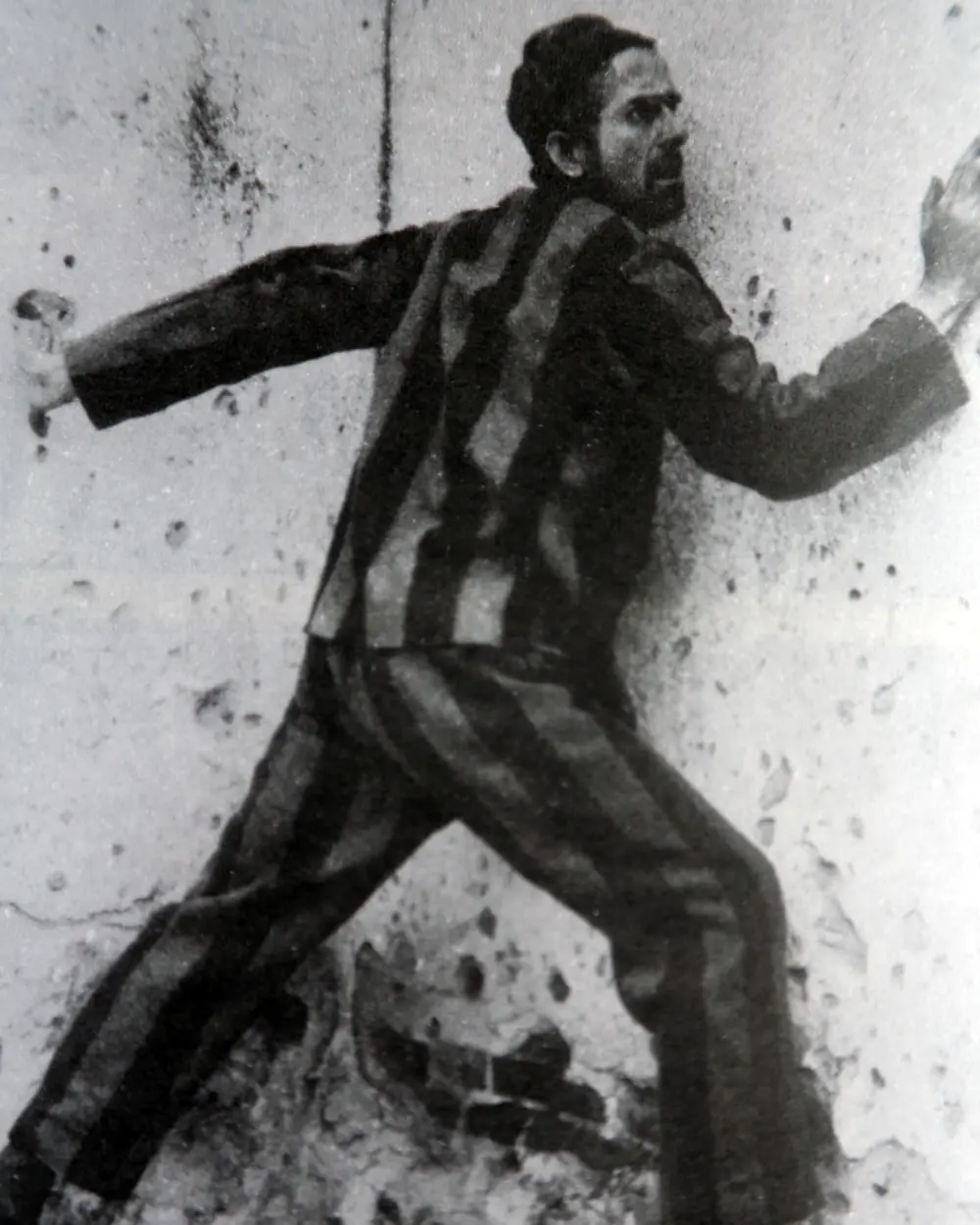
To fully appreciate Chovekat, koyto zabravi boga, one must consider the cinematic climate of 1927. During this period, Bulgaria was undergoing significant artistic shifts, and Vassil Gendov was at the forefront of this cult movement, often challenging established norms.
| Cinematography | High-Contrast |
| Soundtrack | Orchestral |
| Editing | Invisible |
| Art Direction | Kitsch |
Visualizing the convergence of Vassil Gendov's style and the core cult narrative.
The clerk Pavel Simov is a compulsive gambler. His last savings are lost gambling and he begins to steal. He attacks a rich woman in the park, grabs her bag and coat and runs away. The police chase him. He leaves the stolen items with his wife Rinka. She cannot prove her innocence and is sentenced as his accomplice. The greengrocer Katerina takes in their three-old-year son Pepi but later sends him to a manger on Rinka insistence. Katerina puts on his neck a small cross left by his mother. Three years later Rinka is released from prison. At the manger, she learns that the child has been given to a foster mother. Hungry, Rinka stops in front of Zoya's bakery. A boy of about six works there. He takes pity on the beggar-woman and gives her two buns for which Zoya gives him a beating. Rinka starts work in a sweet factory. One evening she finds a child sleeping in front of her house and recognizes the boy from the bakery. She is full of joy when she discovers her own cross hanging around his neck. The child remains with his mother. Simov appears soon, after years abroad. He begins to blackmail his wife. One day, when Rinka refuses to give him money, he knocks her over the burning primus. A fire burst out. Simov flees, dragging Pepi behind. Simov drops on the railway track. Pepi manages to pull him aside seconds before a train passes. Simov repents and gives himself up to police. In jail, a priest takes care of him. He succeeds in transforming Pavel Simov. He returns to his family. Rinka reveals to Pepi that he is his father. The child implores her to forgive him and let him live with them.
Decades after its release, Chovekat, koyto zabravi boga remains a vital piece of the cinematic puzzle. Its influence can be seen in countless modern works, solidifying Vassil Gendov's status as a master of the craft in Bulgaria and beyond.