
Film History
The Vertigo of the Damned: Why Silent Cinema’s High-Altitude Horrors Forged the Cult of the Falling Man
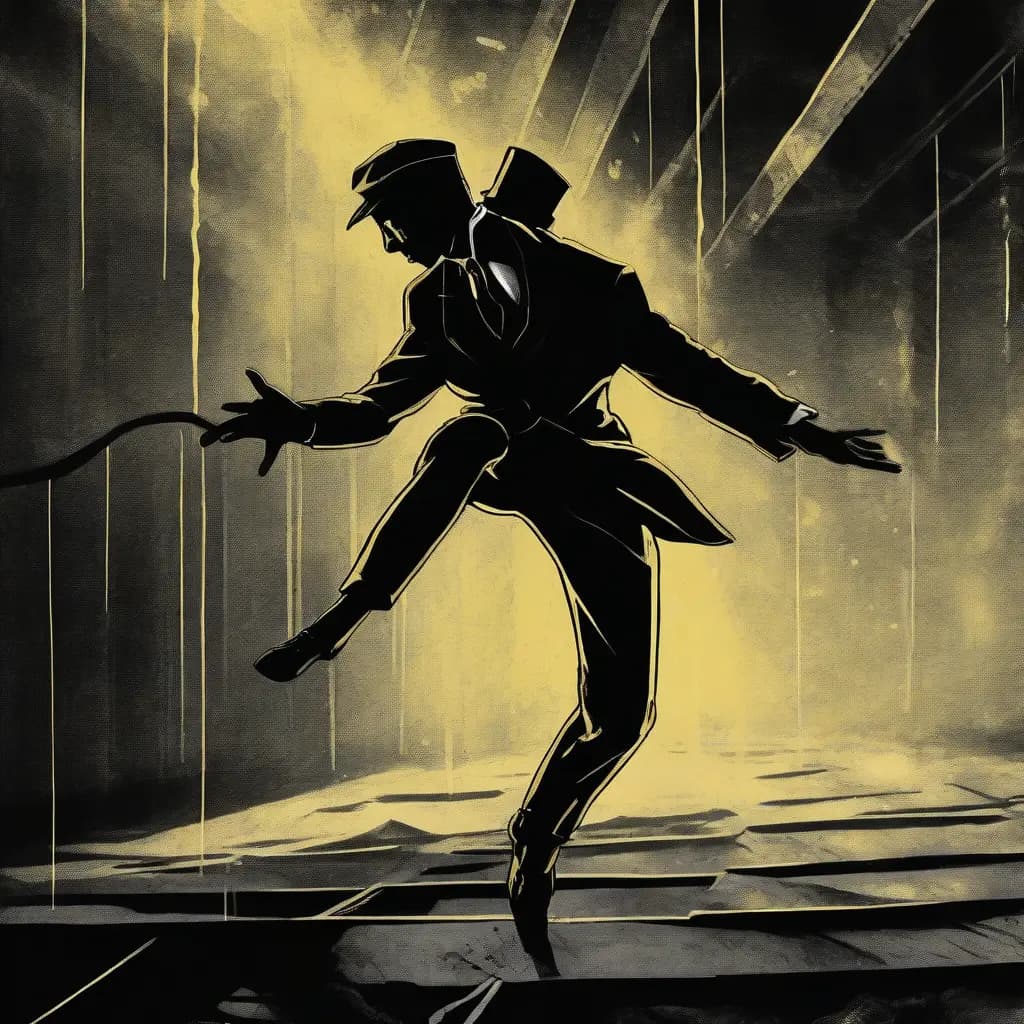
“A deep dive into the vertiginous nightmares of early cinema, where the terror of height and the 'falling man' archetype created a blueprint for transgressive cult devotion.”
Long before the digital safety nets and green-screen comfort of modern blockbusters, cinema was a medium defined by a terrifying, tactile proximity to the void. In the early 20th century, the camera was not just a recording device; it was a witness to a new kind of existential gravity. The silent era didn't just tell stories; it captured the visceral shudder of the human body suspended over the abyss. This 'vertical gaze'—the fascination with height, aviation, and the inevitable, catastrophic fall—is the secret DNA of what we now recognize as the cult mindset. It is a devotion rooted in the spectacle of the unprotected self, a theme that resonates through the dusty reels of forgotten experiments and transgressive melodramas.
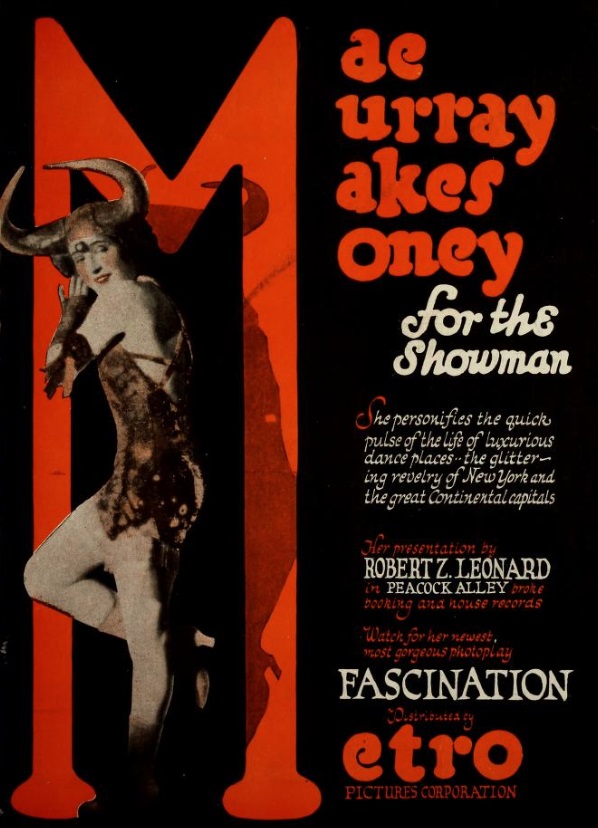
The Aerial Execution: The Ballet Girl and the Cruelty of Height
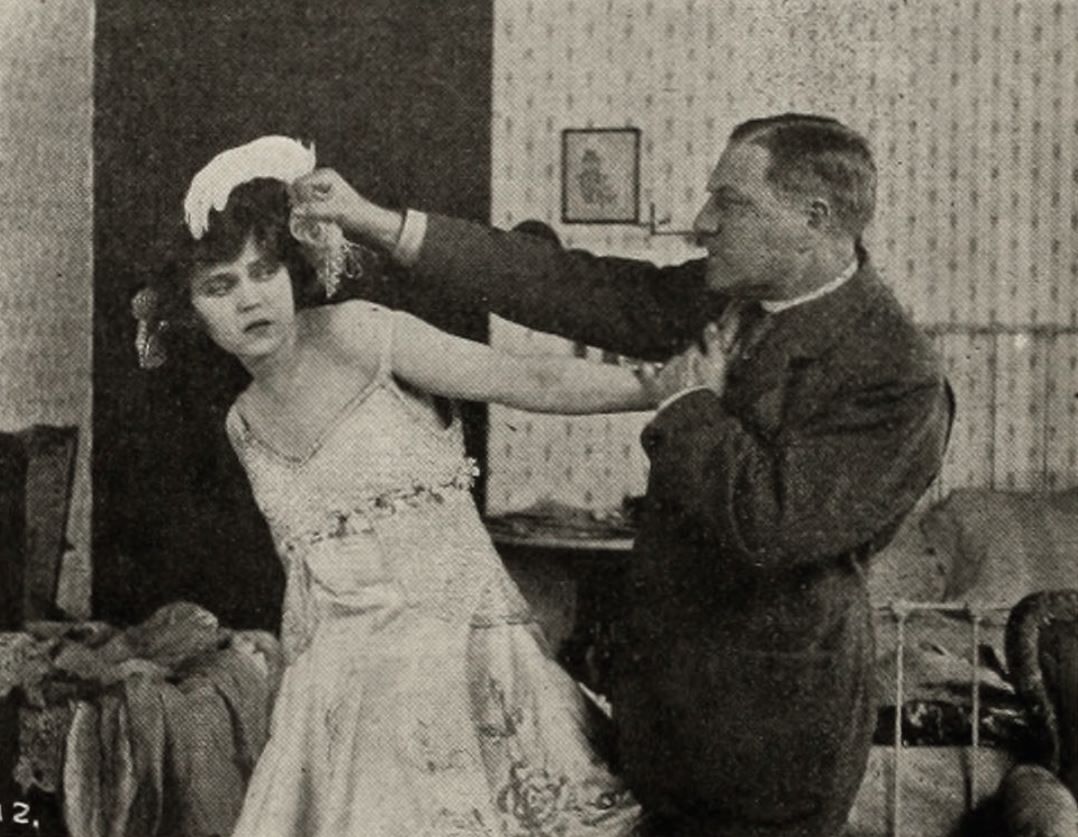
To understand the roots of our obsession with the macabre, one must look at the 1916 production of The Ballet Girl. Here, the spectacle of the circus and the stage is subverted into a site of cold-blooded murder. The character of La Syrena, an aerial dancer, finds her performance transformed into a death trap when her jealous husband kills her while she is suspended in mid-air. It is a sequence that predates the 'midnight movie' logic of the 1970s by decades, offering a visual cocktail of grace and sudden, violent termination.
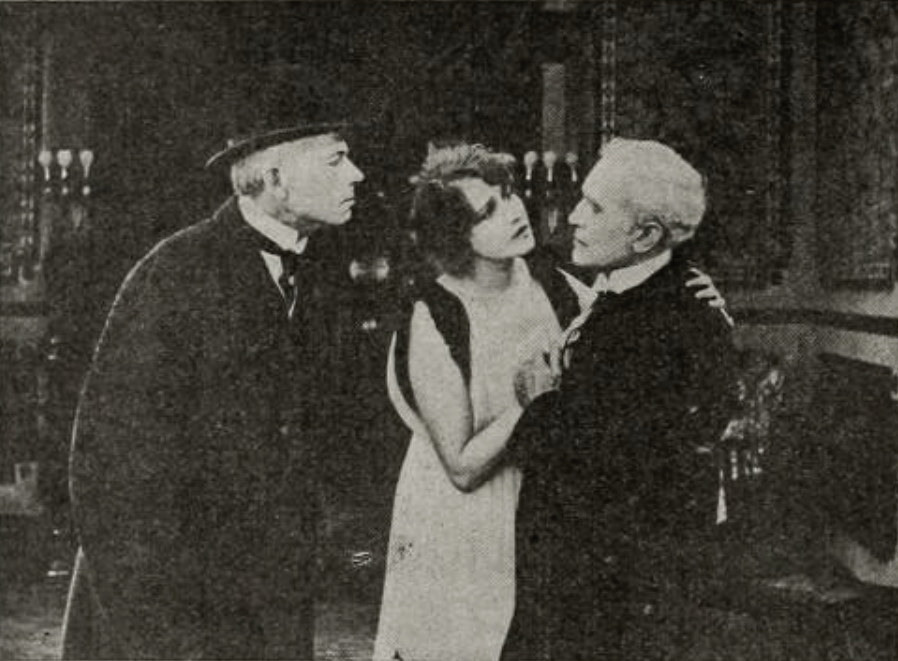
The power of The Ballet Girl lies in its exploitation of the vertical axis. In the 1910s, the sight of a woman suspended by a wire was a marvel of the 'modern' age, but the film twists that wonder into a claustrophobic nightmare. The daughter, Jennie Raeburn, grows up in the shadow of this unseen gravity, a classic cult protagonist whose identity is fractured by a trauma that occurred above the heads of a cheering audience. This is where the cult of the 'marginalized survivor' begins—not in the gritty realism of the 70s, but in the shimmering, dangerous height of the silent stage.
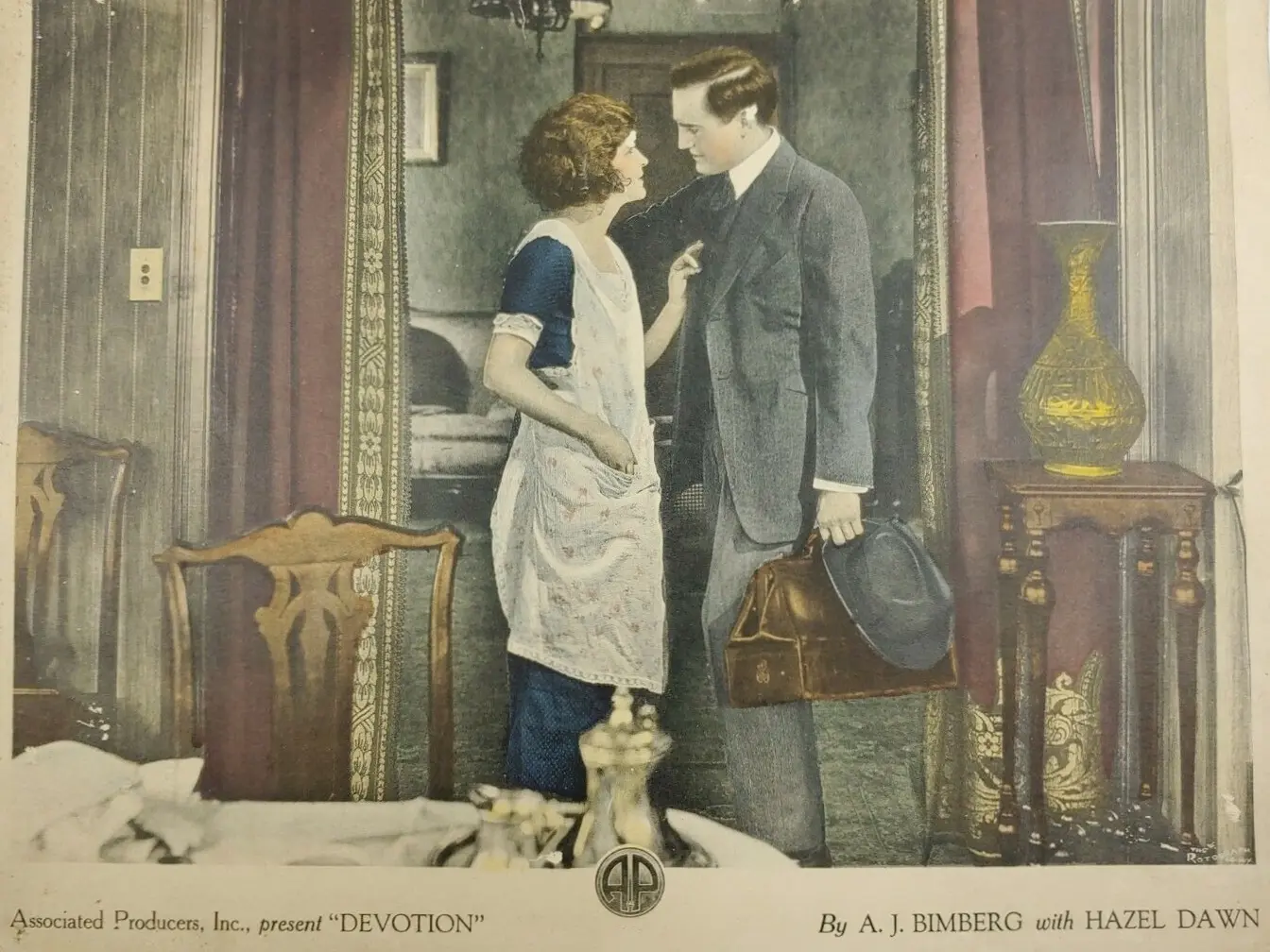
The early camera did more than observe; it participated in the vertigo of a generation that was learning to fly and dying in the process.
Celestial Paranoia: Sky Splitter and the Existential Void
If the circus provided the physical thrill of the fall, the burgeoning genre of science fiction provided the metaphysical terror of the climb. The 1922 short Sky Splitter is a crucial, if often overlooked, artifact in the history of visual obsession. Through a primitive yet haunting blend of animation and live-action logic, it tells the story of a professor who builds a ship to conquer space, only to find himself trapped in the crushing silence of the cosmos.
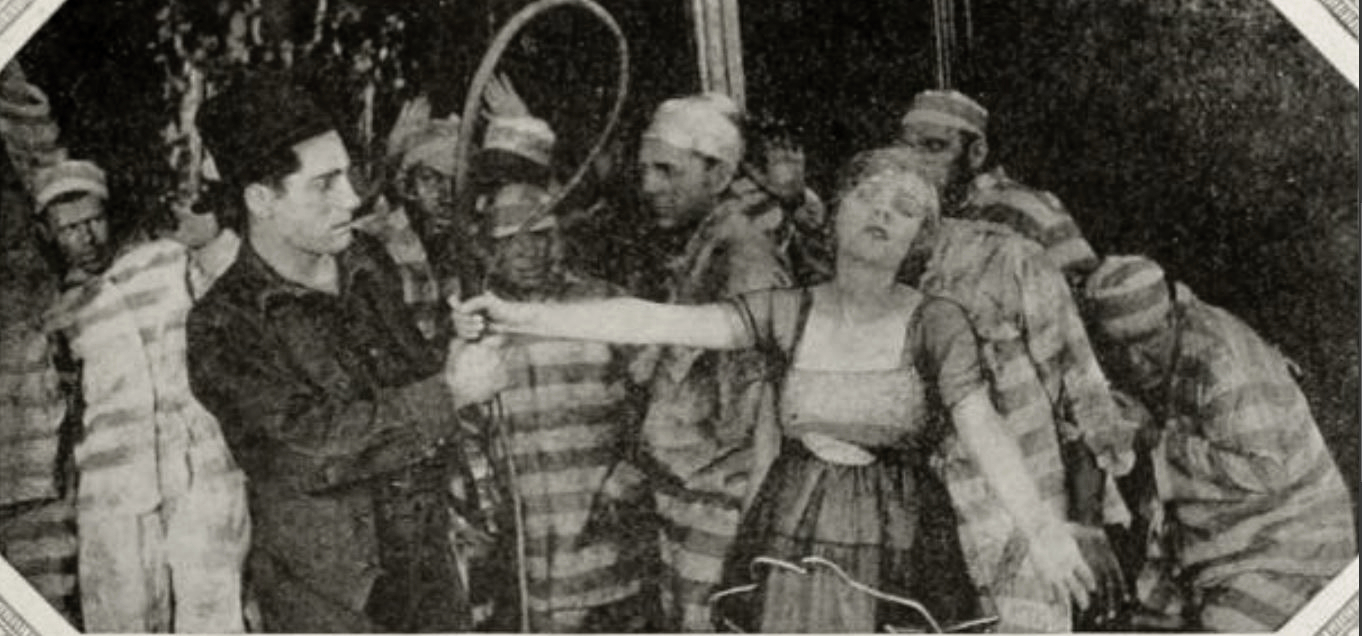
The 'Sky Splitter' is more than a machine; it is a symbol of the industrial-mythic hybrid that defines early cult cinema. The professor’s realization that he is 'trapped' in the very infinite he sought to master mirrors the audience's own relationship with the silver screen. We are drawn to the 'outlier'—the scientist, the dreamer, the madman—who ventures too far from the safety of the earth. The film’s visual language, emphasizing the stark contrast between the tiny vessel and the vast, ink-black sky, established a template for the 'cosmic horror' that would later define the works of directors like Kubrick or Tarkovsky.
The Mechanics of the Forbidden View
- The use of high-angle shots to diminish the human figure against industrial landscapes.
- The recurring motif of the 'unstable platform' (circus wires, early cockpits, rooftops).
- The fascination with the 'death ray' and invisible forces, as seen in the 1920 serial The Invisible Ray.
The Circus of Scars: He Who Gets Slapped and the Social Fall
Cult cinema is often defined by its 'broken' heroes—characters who have been chewed up and spat out by the mainstream. No film illustrates the psychological weight of the 'fall' better than the 1924 Victor Sjöström production He Who Gets Slapped. Lon Chaney, the 'Man of a Thousand Faces,' plays an intellectual who, after being betrayed and robbed of his life’s work, becomes a circus clown whose sole act is being slapped by his peers.
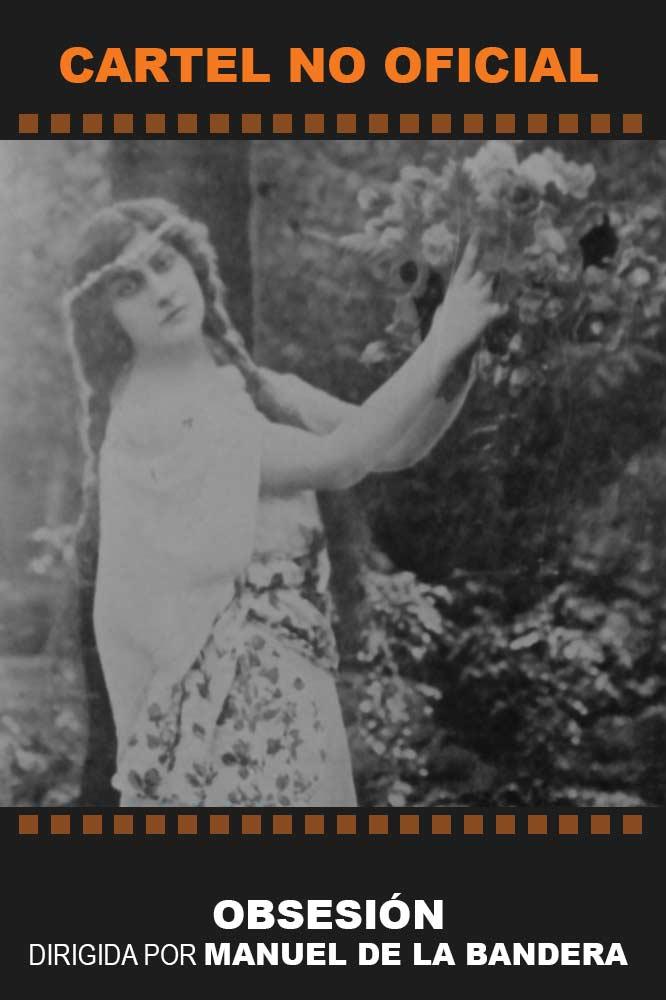
The 'fall' here is social and spiritual, but it is staged within the same vertical architecture as The Ballet Girl. The circus ring is a pit, and the audience’s laughter is a form of gravity that keeps the protagonist pinned to his humiliation. This film is the bedrock of the 'clown-cult' aesthetic, a subgenre that thrives on the tension between the festive and the fatal. When Chaney’s character endeavors to rescue the young woman he loves from a lecherous count, he isn't just seeking revenge; he is attempting to reverse the gravity of his own disgrace. The final act, involving a lion and a heart-wrenching descent into madness, is a primal scream that echoes through the history of transgressive performance.
The Fatal Aviator: Flirting with Death and the Reality of Peril
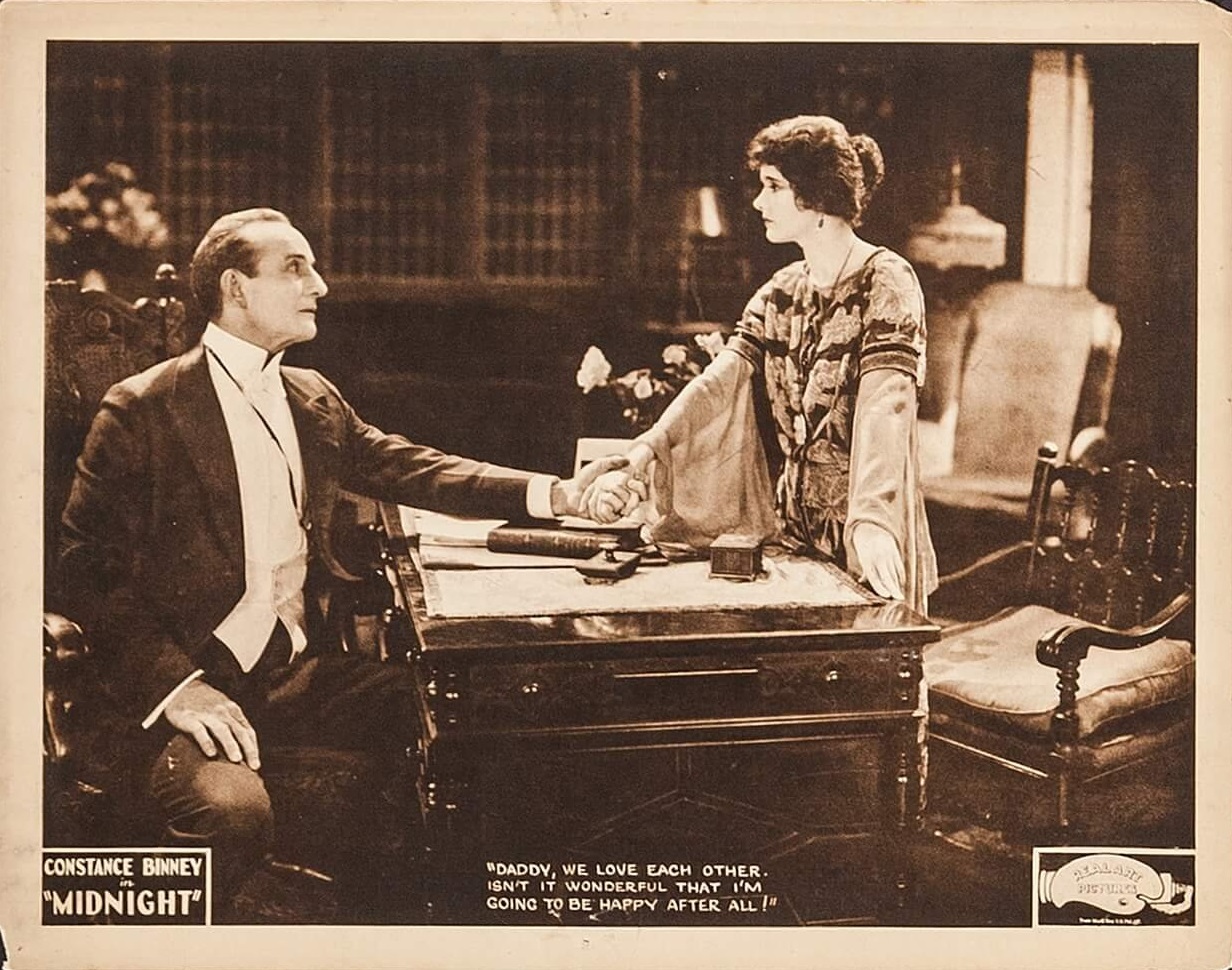
While fiction provided the narrative, the reality of early 20th-century life provided the stakes. Films like Flirting with Death (1917) and Trapped in the Air tapped into the genuine public anxiety surrounding the birth of aviation. In Flirting with Death, the story of an aviator dying during a circus performance wasn't just a plot point; it was a reflection of the era’s news headlines. The 'side show con men' who profit from the tragedy are the early cinematic cousins of the exploitation producers of the 1960s.
This period of cinema understood that the audience didn't just want to see a story; they wanted to witness the 'impossible' made visible. Whether it was the founding struggles in Jamestown or the high-stakes Western drama of To a Finish, the underlying current was always one of survival against the elements. The cult appeal of these films lies in their 'roughness'—the sense that the actors were in genuine danger, that the planes were held together by spit and wire, and that the stunts were performed without the safety of a modern union.
The Shadow of the Outlaw
The verticality of early film also extended to the moral landscape. The 'outlaw' figure—seen in The Law's Outlaw and Hands Up!—often occupied the high ground of the mountains or the rooftops of the city. In Hands Up!, the outlaw Dan Tracy is attracted to the railroad president’s daughter, creating a vertical tension between the law of the tracks and the law of the hills. This spatial struggle for dominance is a recurring feature of the 'cult western,' where the landscape itself becomes a character that dictates the moral weight of the protagonists.
The Invisible Ray: Techno-Horror and the High-Stakes Secret
The 1920 serial The Invisible Ray serves as a bridge between the physical dangers of the silent era and the psychological paranoia of the sci-fi cults to come. A scientist discovers a 'death ray' and locks it in a box, a MacGuffin that sets off a chase involving criminals and his own daughter. This is the 'forbidden knowledge' trope in its most primitive and effective form. The 'ray' is a force that cannot be seen but can destroy from a distance—the ultimate vertical threat.
The serial format itself, with its weekly 'cliffhangers,' is the literalization of the vertical nightmare. Each episode ended with a character suspended over a ledge, trapped in a burning building, or facing a descending blade. This ritualistic consumption of peril is the foundation of cult fandom. It taught the audience to value the 'moment of suspension' over the resolution of the plot. We don't watch The Invisible Ray for a coherent narrative; we watch it for the thrill of the 'almost-fall.'
The Legacy of the Vertical Gaze
The silent era's obsession with height and falling was not merely a technical limitation of early cameras or a reliance on circus-style stunts. it was a profound reflection of a world in transition. As society moved from the grounded certainty of the 19th century into the vertiginous, industrial chaos of the 20th, the 'falling man' became our primary avatar. From the aerial tragedy of The Ballet Girl to the cosmic isolation of Sky Splitter, these films captured a feeling of profound instability.
When we look back at these flickering, nitrate remains, we aren't just seeing 'old movies.' We are seeing the blueprints for every transgressive, boundary-pushing film that followed. The cult of the 'unseen' and the 'forbidden' was born in the shadows of the silent screen, where the only thing more terrifying than the monster was the sheer, unrelenting drop beneath the protagonist's feet. The next time you find yourself gripped by a modern psychological thriller or a gritty piece of underground cinema, remember that the vertigo started here—in the silent, high-altitude nightmares of a century ago.
Community
Comments
Log in to comment.
Loading comments…