
DbcultAccessing Vault...
Director's Spotlight
Senior Film Conservator
Director's Spotlight: United States
A Deep Dive into the 1925 Vision of Victor Fleming
In the grand tapestry of Drama cinema, Adventure serves as a bridge between the bold experimentation that has become synonymous with Victor Fleming. Breaking the traditional rules of Drama engagement, it highlights the importance of independent voices in United States.
In Adventure, Victor Fleming pushes the boundaries of conventional narrative. The film's unique approach to its subject matter has sparked endless debates and interpretations among cinephiles and critics alike.
While deeply rooted in United States, Adventure has achieved a global reach, influencing directors from various backgrounds. Its ability to translate Drama tropes into a universal cinematic language is why it remains a cult staple decades after its 1925 release.
| Cinematography | Noir-Inspired |
| Soundtrack | Synth-Heavy |
| Editing | Rhythmic |
| Art Direction | Naturalist |
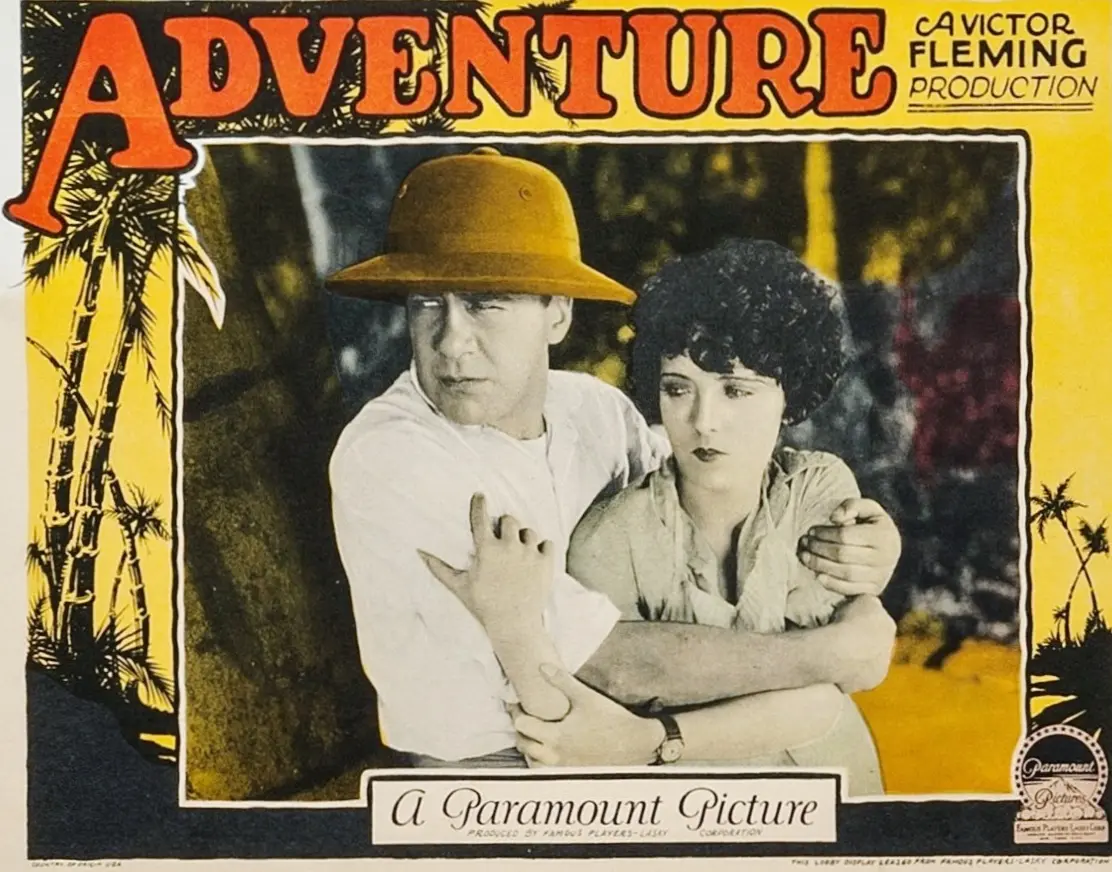
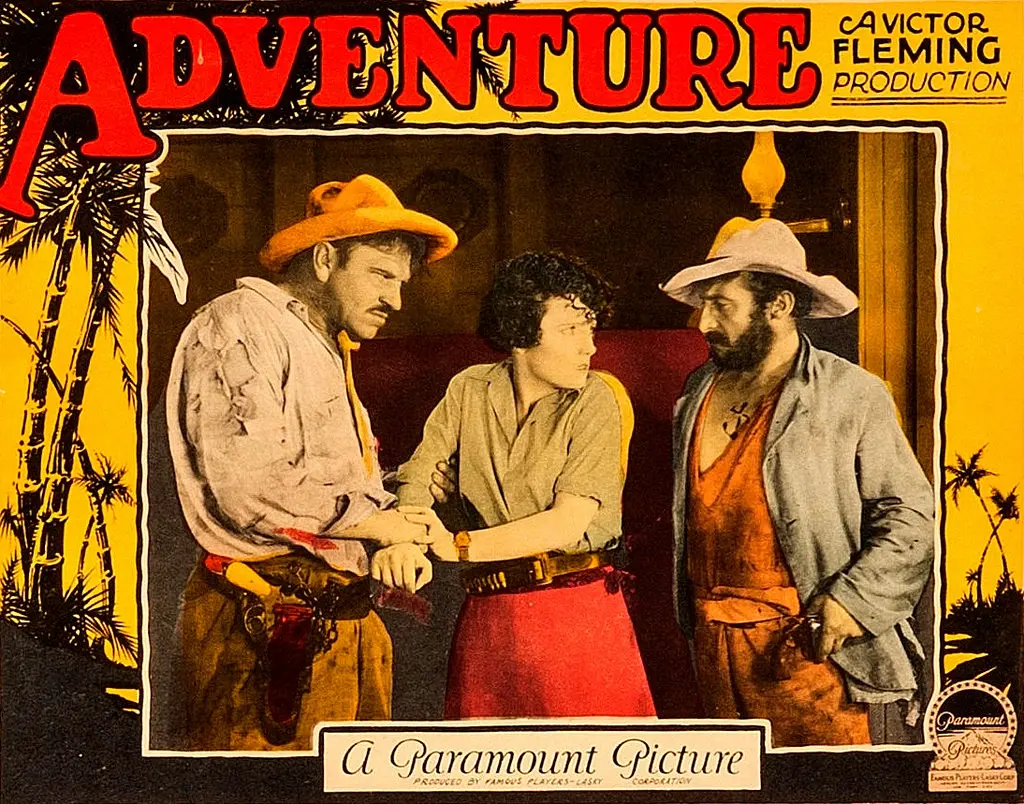
Visualizing the convergence of Victor Fleming's style and the core Drama narrative.
David Sheldon owns a plantation in the Solomon Islands. Many of his field hands die of blackwater fever, and then he becomes sick himself. Joan Lackland, a female soldier of fortune, arrives by schooner in the islands. With the help of her Kanaka crew, she protects David from an attack by the natives who are led by Googomy. Joan nurses David back to health and becomes his business partner, protecting his mortgaged property from two avaricious moneylenders. Seeking vengeance, the moneylenders incite the natives to revolt.
Decades after its release, Adventure remains a vital piece of the cinematic puzzle. Its influence can be seen in countless modern works, solidifying Victor Fleming's status as a master of the craft in United States and beyond.