
DbcultAccessing Vault...
Director's Spotlight
Senior Film Conservator
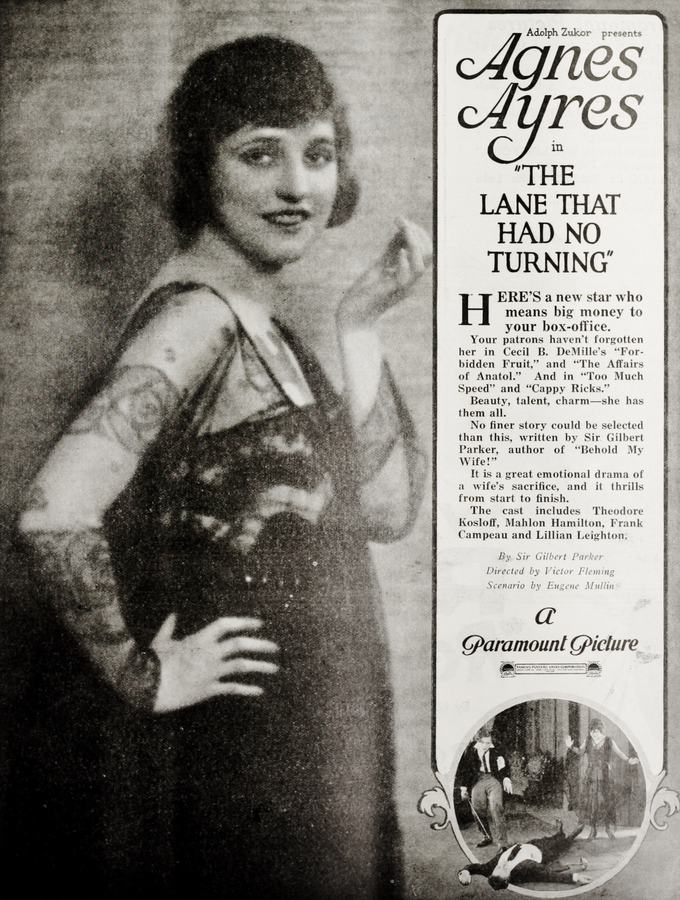
Director's Spotlight: United States
A Deep Dive into the 1922 Vision of Victor Fleming
When we examine the cinematic landscape of United States, The Lane That Had No Turning emerges as a landmark work of the unique directorial voice that Victor Fleming brought to the screen. This film stands as a masterclass in visual storytelling, it demands to be seen by anyone who cares about the art of film.
In The Lane That Had No Turning, Victor Fleming pushes the boundaries of conventional narrative. The film's unique approach to its subject matter has sparked endless debates and interpretations among cinephiles and critics alike.
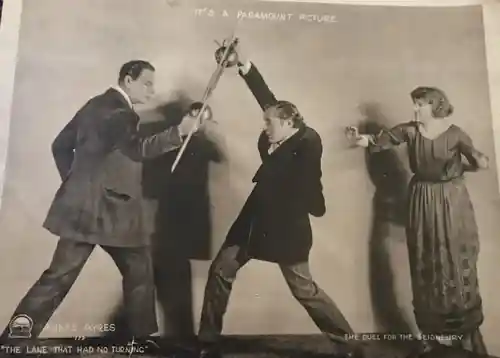
In this work, Victor Fleming explores the intersection of Drama and United States cultural identity. The meticulous attention to detail suggests a deep-seated commitment to pushing the boundaries of the medium, ensuring that The Lane That Had No Turning remains a relevant topic of study for Drama enthusiasts.
| Cinematography | Handheld |
| Soundtrack | Synth-Heavy |
| Editing | Disjunctive |
| Art Direction | Baroque |
Visualizing the convergence of Victor Fleming's style and the core Drama narrative.
Louis Racine has inherited great wealth and married famed singer Madelinette, whom he passionately loves. But Louis carries a pair of secrets: his wealth may be taken from him if a contradictory will is found, and his health is deteriorating from a disease which will slowly turn him into a grotesquely deformed figure. Terrified that the truth will come out, Louis dares anything to prevent the loss of his riches and true love... even if it means he must kill the man who might be the rightful inheritor.
Decades after its release, The Lane That Had No Turning remains a vital piece of the cinematic puzzle. Its influence can be seen in countless modern works, solidifying Victor Fleming's status as a master of the craft in United States and beyond.