
DbcultAccessing Vault...
Director's Spotlight
Senior Film Conservator
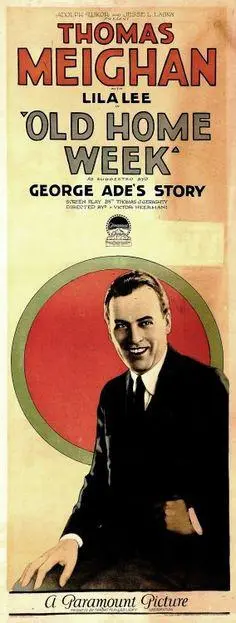
Director's Spotlight: United States
A Deep Dive into the 1925 Vision of Victor Heerman
Exploring the Comedy underpinnings of Old Home Week leads us to the uncompromising vision of Victor Heerman that defines this Comedy masterpiece. Melding the raw energy of United States with a global Comedy appeal, it echoes the profound changes occurring in United States during that era.
In Old Home Week, Victor Heerman pushes the boundaries of conventional narrative. The film's unique approach to its subject matter has sparked endless debates and interpretations among cinephiles and critics alike.
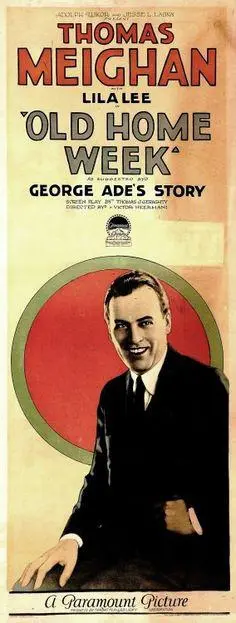
The visual language of Old Home Week is defined by its use of shadows and framing, a hallmark of Victor Heerman's style. By utilizing a 1925-era palette, the film creates an immersive experience that perfectly complements its Comedy themes.
| Cinematography | Noir-Inspired |
| Soundtrack | Experimental |
| Editing | Elliptical |
| Art Direction | Expressionist |
Visualizing the convergence of Victor Heerman's style and the core Comedy narrative.
Tom Clark, the part owner of a luckless gas station in New York, returns to his place of birth for Old Home Week, posing as the millionaire president of the Amalgamated Oil Co. He is chosen as the orator for the homecoming banquet and given complete financial control over an oil well drilled in the town by Coleman and Barton, a pair of oily swindlers. Tom discovers that the well is a fake and has it connected secretly with the local reservoir. A wire from Tom's partner is intercepted, and Tom is exposed as a fraud. Coleman and Barton are about to leave town when Tom fakes a gusher and quickly sells the well back to the swindlers at a profit. The swindlers realize that they have been outsmarted, and their anger convinces the townspeople that Tom has acted in the best interests of the community. Tom is again the toast of the town, feted by its inhabitants and rewarded with the kisses of his sweetheart.
Decades after its release, Old Home Week remains a vital piece of the cinematic puzzle. Its influence can be seen in countless modern works, solidifying Victor Heerman's status as a master of the craft in United States and beyond.