
DbcultAccessing Vault...
Director's Spotlight
Senior Film Conservator

Director's Spotlight: Germany
A Deep Dive into the 1928 Vision of Victor Janson
The brilliance of The Love Commandment (1928) is inseparable from a monumental shift in cult filmmaking spearheaded by Victor Janson. Occupying a unique space between cult and pure art, it serves as a blueprint for future generations of cult directors.
In The Love Commandment, Victor Janson pushes the boundaries of conventional narrative. The film's unique approach to its subject matter has sparked endless debates and interpretations among cinephiles and critics alike.
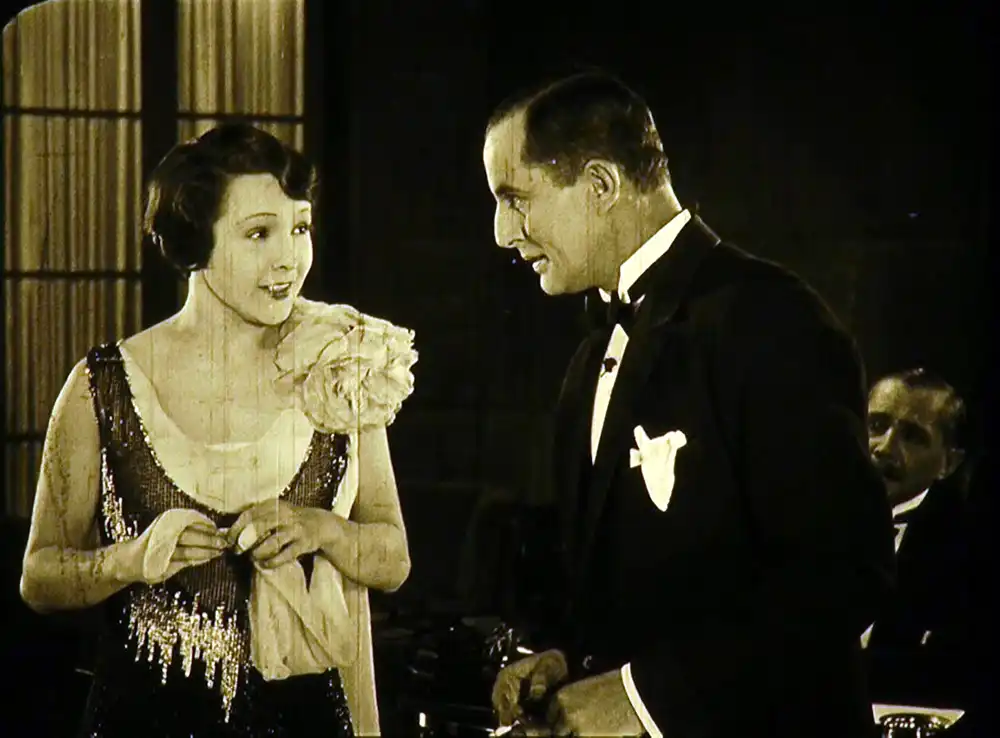
To fully appreciate The Love Commandment, one must consider the cinematic climate of 1928. During this period, Germany was undergoing significant artistic shifts, and Victor Janson was at the forefront of this cult movement, often challenging established norms.
| Cinematography | Noir-Inspired |
| Soundtrack | Minimalist |
| Editing | Slow-Burn |
| Art Direction | Brutalist |
Visualizing the convergence of Victor Janson's style and the core cult narrative.
Two burglars are caught one night by the bon vivant rich owner of the house when he unexpectedly returns home early. One of them escapes, but he catches the other, a young girl. He sets his mind on redeeming her, changing his lifestyle in the process. Complications arise when his sister, who has contracted gambling debts, accepts money from a relation to cover them and cannot return the amount.
Decades after its release, The Love Commandment remains a vital piece of the cinematic puzzle. Its influence can be seen in countless modern works, solidifying Victor Janson's status as a master of the craft in Germany and beyond.