
DbcultAccessing Vault...
Director's Spotlight
Senior Film Conservator
Director's Spotlight: United States
A Deep Dive into the 1925 Vision of Victor Schertzinger
Witnessing the stylistic transformation of Western through The Golden Strain reveals the provocative questions that Victor Schertzinger poses to the United States audience. Exploring the nuances of the human condition with Western flair, it showcases the power of Western as a tool for social commentary.
In The Golden Strain, Victor Schertzinger pushes the boundaries of conventional narrative. The film's unique approach to its subject matter has sparked endless debates and interpretations among cinephiles and critics alike.
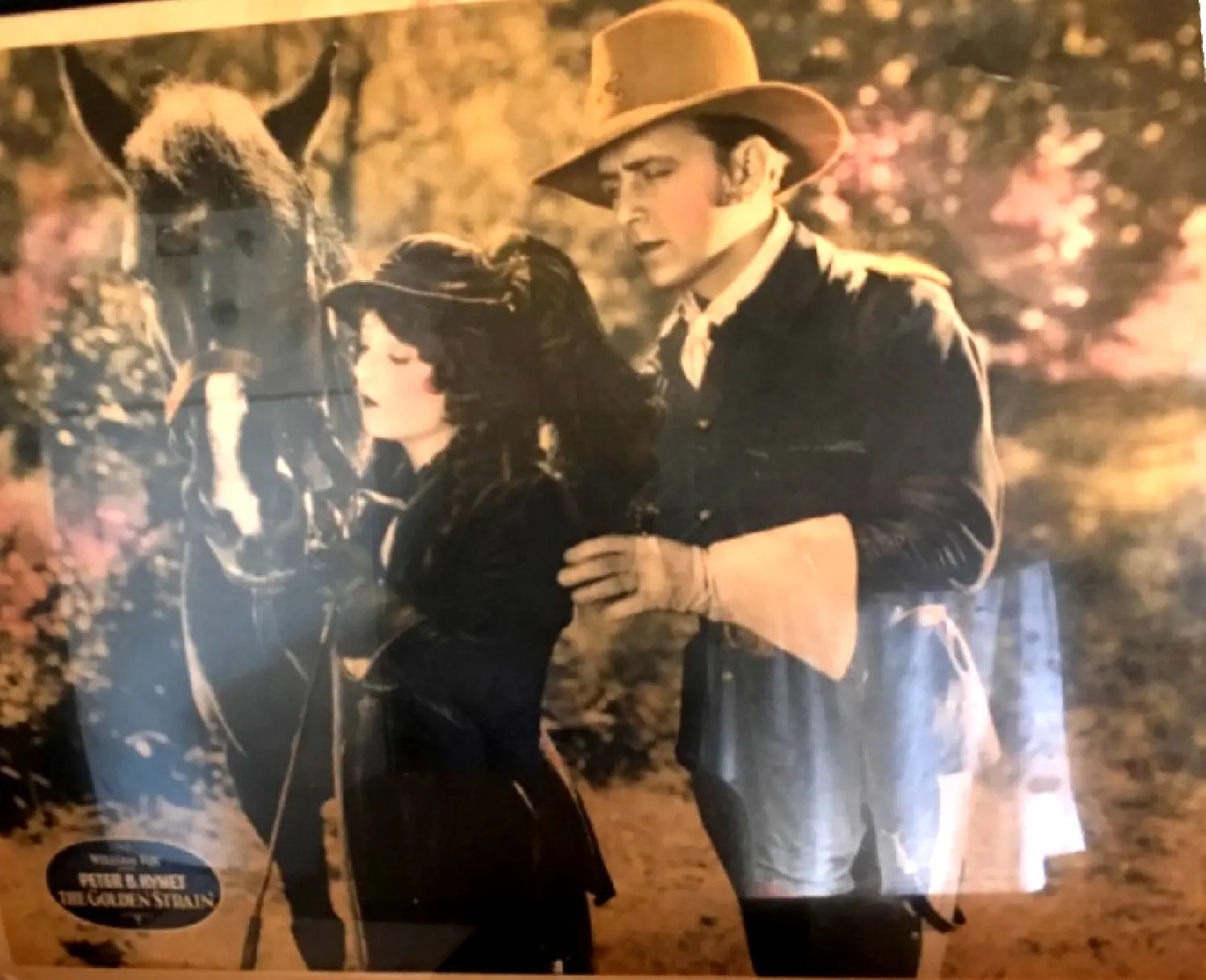
The visual language of The Golden Strain is defined by its use of shadows and framing, a hallmark of Victor Schertzinger's style. By utilizing a 1925-era palette, the film creates an immersive experience that perfectly complements its Western themes.
| Cinematography | Handheld |
| Soundtrack | Minimalist |
| Editing | Disjunctive |
| Art Direction | Baroque |
Visualizing the convergence of Victor Schertzinger's style and the core Western narrative.
Lt. Milt Mulford graduates from West Point and is assigned to a cavalry outpost in the West, near an Apache reservation. One day the Apaches, tired of being cheated by a crooked Indian agent, break the reservation and Mulford is sent after them with a patrol. Unfortunately, he cracks under the pressure of his first firefight, and is thrown out of the army. His fiancé, disgusted, ends their engagement. He sets out to prove that he is not a coward and regain his fiancé's love.
Decades after its release, The Golden Strain remains a vital piece of the cinematic puzzle. Its influence can be seen in countless modern works, solidifying Victor Schertzinger's status as a master of the craft in United States and beyond.