
DbcultAccessing Vault...
Director's Spotlight
Senior Film Conservator
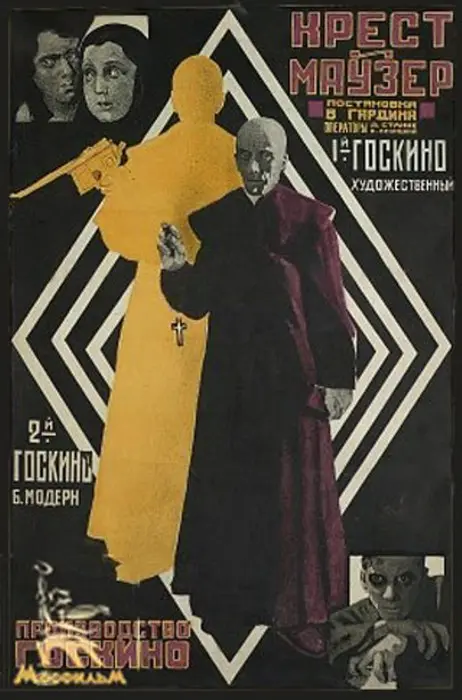
Director's Spotlight: Soviet Union
A Deep Dive into the 1925 Vision of Vladimir Gardin
The artistic breakthrough represented by Krest i mauzer in 1925 highlights the uncompromising vision of Vladimir Gardin that defines this Adventure masterpiece. In the context of Soviet Union's rich cinematic history, it captures a specific kind of cinematic magic that is rarely replicated.
In Krest i mauzer, Vladimir Gardin pushes the boundaries of conventional narrative. The film's unique approach to its subject matter has sparked endless debates and interpretations among cinephiles and critics alike.
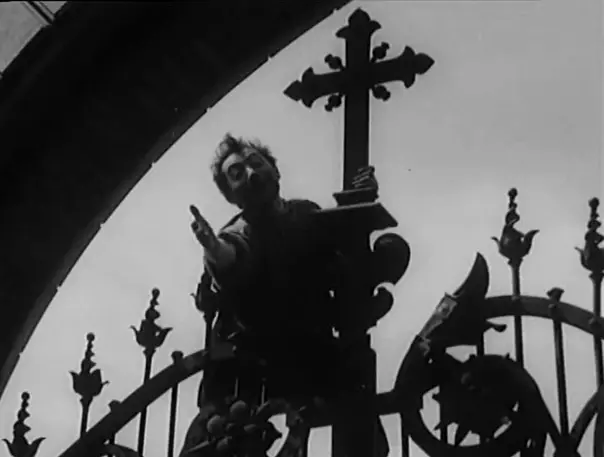
In this work, Vladimir Gardin explores the intersection of Adventure and Soviet Union cultural identity. The meticulous attention to detail suggests a deep-seated commitment to pushing the boundaries of the medium, ensuring that Krest i mauzer remains a relevant topic of study for Adventure enthusiasts.
| Cinematography | Handheld |
| Soundtrack | Minimalist |
| Editing | Slow-Burn |
| Art Direction | Brutalist |
Visualizing the convergence of Vladimir Gardin's style and the core Adventure narrative.
The film takes place during the pre-revolutionary years and the initial period of the Soviet regime. At a monastery shelter in one of Russia's western towns, orphan Yulka gives birth to a son from the shepherd Jerome.
Decades after its release, Krest i mauzer remains a vital piece of the cinematic puzzle. Its influence can be seen in countless modern works, solidifying Vladimir Gardin's status as a master of the craft in Soviet Union and beyond.