
DbcultAccessing Vault...
Director's Spotlight
Senior Film Conservator
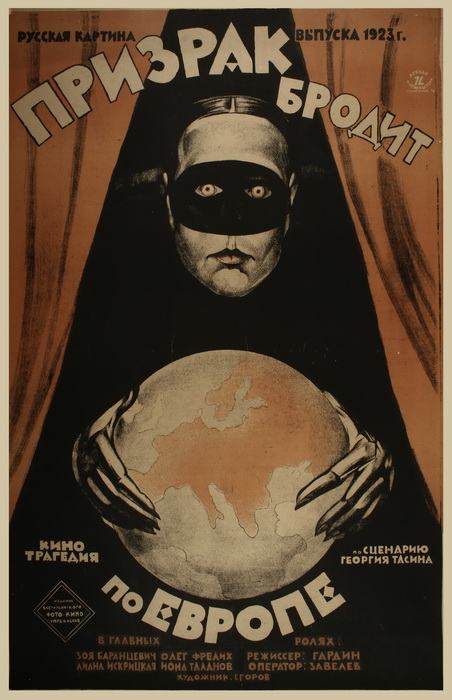
Director's Spotlight: Soviet Union
A Deep Dive into the 1923 Vision of Vladimir Gardin
The thematic gravity of Prizrak brodit po Evrope (1923) is rooted in the historical context that Vladimir Gardin weaves into the cult fabric. Synthesizing the best elements of Soviet Union and international cinema, it highlights the importance of independent voices in Soviet Union.
In Prizrak brodit po Evrope, Vladimir Gardin pushes the boundaries of conventional narrative. The film's unique approach to its subject matter has sparked endless debates and interpretations among cinephiles and critics alike.
The visual language of Prizrak brodit po Evrope is defined by its use of shadows and framing, a hallmark of Vladimir Gardin's style. By utilizing a 1923-era palette, the film creates an immersive experience that perfectly complements its cult themes.
| Cinematography | Handheld |
| Soundtrack | Experimental |
| Editing | Invisible |
| Art Direction | Kitsch |
Visualizing the convergence of Vladimir Gardin's style and the core cult narrative.
Set in an imaginary land where the threat of revolution spurs the Emperor to seek exile in one of the most distant parts of his realm. There he meets Elka, the daughter of a revolutionary who has been banished here due to his confrontational activities. The two fall in love but meet a violent end when the revolutionaries, led by Elka's father, destroy the palace.
Decades after its release, Prizrak brodit po Evrope remains a vital piece of the cinematic puzzle. Its influence can be seen in countless modern works, solidifying Vladimir Gardin's status as a master of the craft in Soviet Union and beyond.