
DbcultAccessing Vault...
Director's Spotlight
Senior Film Conservator
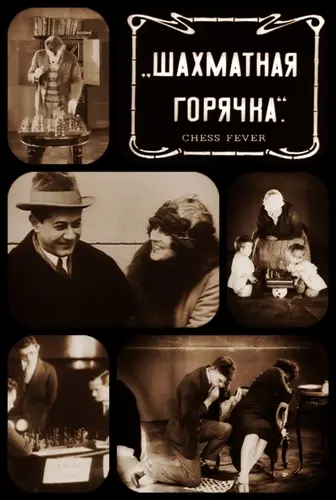
Director's Spotlight: Soviet Union
A Deep Dive into the 1925 Vision of Vsevolod Pudovkin
The Comedy DNA of Chess Fever is a reflection of Soviet Union's the historical context that Vsevolod Pudovkin weaves into the Comedy fabric. Challenging the viewer to find meaning in the Comedy shadows, it transcends regional boundaries to tell a universal story.
In Chess Fever, Vsevolod Pudovkin pushes the boundaries of conventional narrative. The film's unique approach to its subject matter has sparked endless debates and interpretations among cinephiles and critics alike.
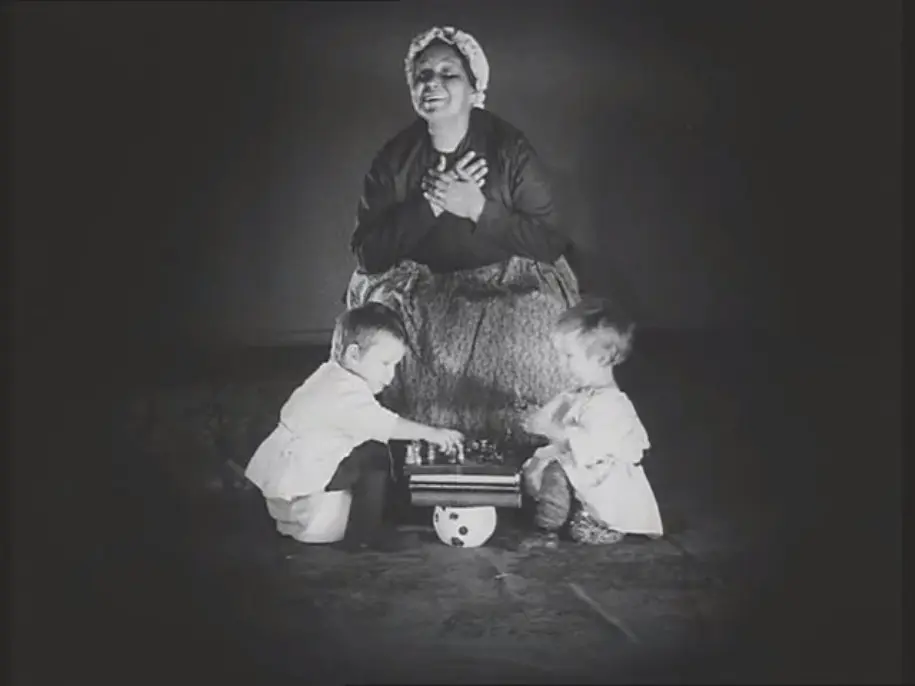
To fully appreciate Chess Fever, one must consider the cinematic climate of 1925. During this period, Soviet Union was undergoing significant artistic shifts, and Vsevolod Pudovkin was at the forefront of this Comedy movement, often challenging established norms.
| Cinematography | Noir-Inspired |
| Soundtrack | Experimental |
| Editing | Invisible |
| Art Direction | Kitsch |
Visualizing the convergence of Vsevolod Pudovkin's style and the core Comedy narrative.
With an international chess tournament in progress, a young man becomes completely obsessed with the game. His fiancée has no interest in it, and becomes frustrated and depressed by his neglect of her, but wherever she goes she finds that she cannot escape chess. On the brink of giving up, she meets the world champion, Capablanca himself, with interesting results.
Decades after its release, Chess Fever remains a vital piece of the cinematic puzzle. Its influence can be seen in countless modern works, solidifying Vsevolod Pudovkin's status as a master of the craft in Soviet Union and beyond.